
Understanding the Role of AI in Modern Archaeological Methods


In recent years, the field of archaeology has experienced a remarkable transformation. The introduction of Artificial Intelligence (AI) into archaeological methods has revolutionized how discoveries are made and interpreted. These advancements not only enhance the efficiency of archaeological research but also open new avenues for understanding our past.
AI technology is being employed to analyze vast amounts of data quickly and accurately. This capability is particularly beneficial in archaeology, where researchers often deal with large datasets derived from excavations, surveys, and historical records. By using AI algorithms, archaeologists can identify patterns and connections that might otherwise go unnoticed.
AI in Data Analysis
One of the primary roles of AI in archaeology is in data analysis. Traditional methods can be time-consuming and prone to human error. However, AI systems can process complex datasets rapidly, identifying artifacts, structures, and even predicting the locations of undiscovered sites. This allows researchers to focus their efforts more effectively and make informed decisions about where to dig.
Machine learning, a subset of AI, plays a crucial role in analyzing imagery from satellites and drones. These tools can detect subtle changes in the landscape, indicating the presence of archaeological features. This method not only saves time but also reduces the need for invasive techniques.
Enhancing Excavation Techniques
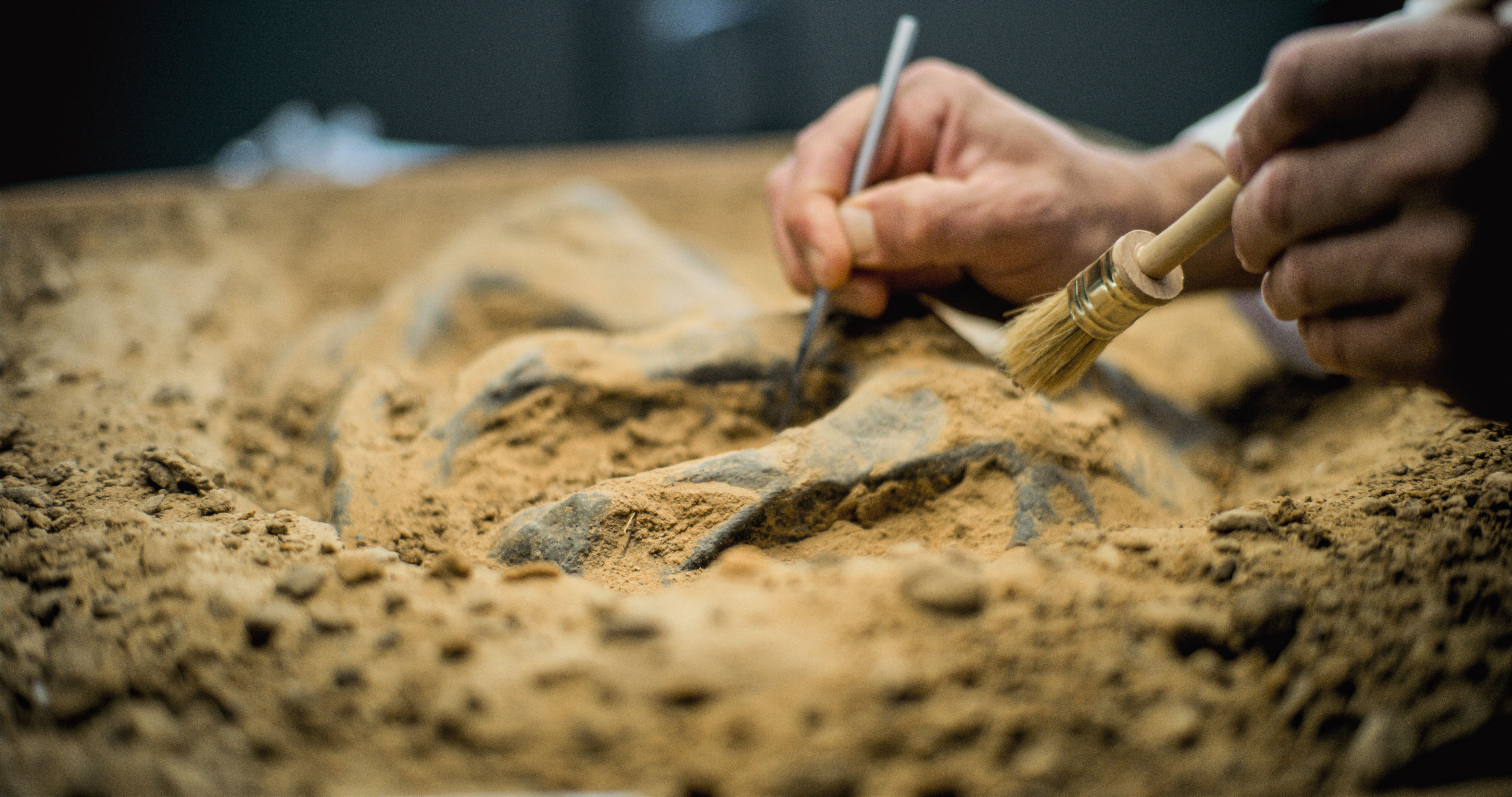
AI is also transforming the physical excavation process. Robots equipped with AI technology can assist in delicate excavations, ensuring precision and reducing the risk of damaging fragile artifacts. These robots can reach areas that might be dangerous or inaccessible to humans, such as underwater sites or unstable terrains.

Moreover, AI-powered tools can create 3D models of excavation sites, providing a detailed view that helps archaeologists plan their digs more strategically. These models allow for better visualization and interpretation of the site layout, leading to more accurate reconstructions of historical environments.
Preservation and Documentation
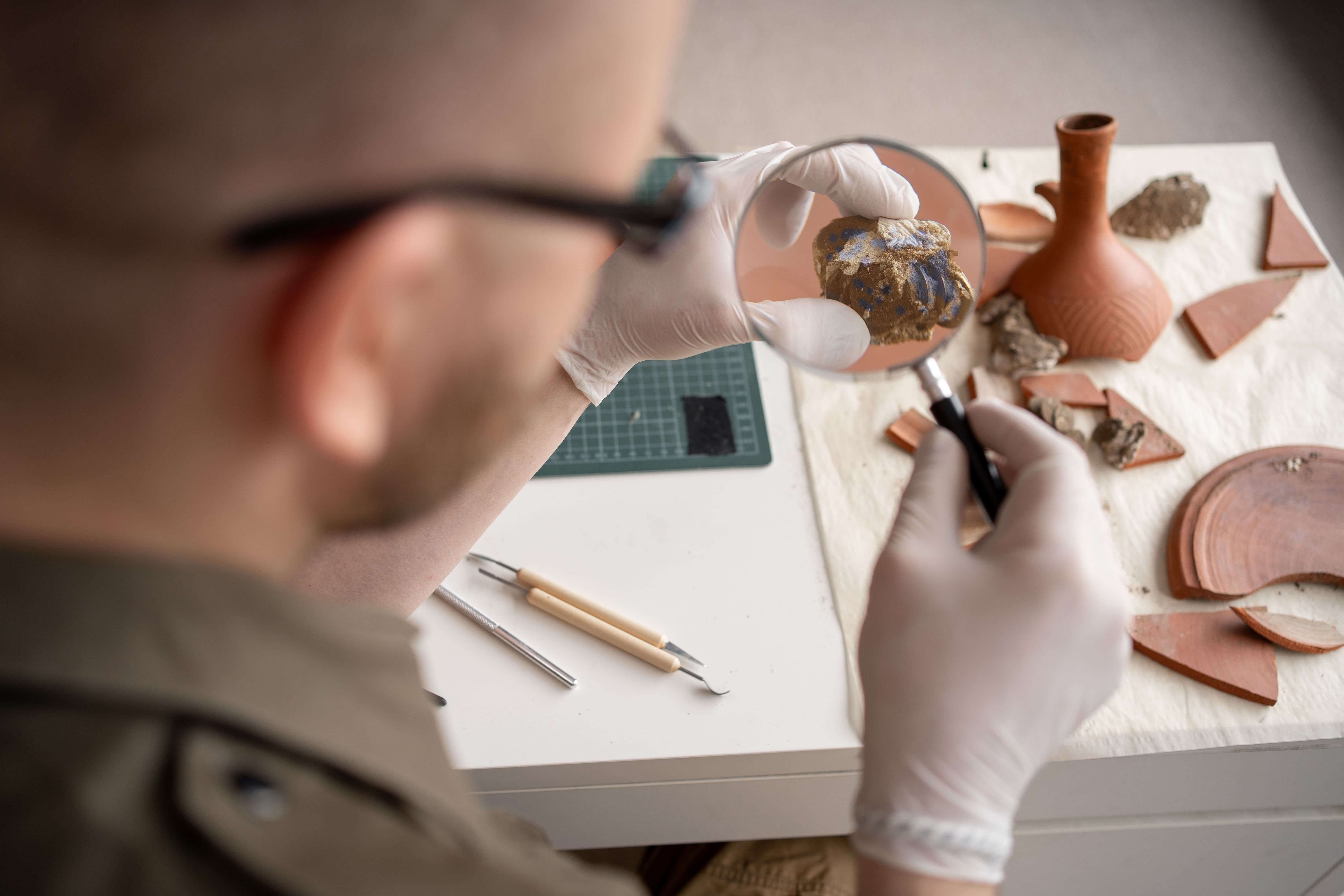
AI's role extends beyond excavation, aiding in the preservation and documentation of findings. Digital archiving using AI ensures that data is stored systematically and can be easily accessed for future research. Additionally, AI algorithms can help in restoring damaged artifacts by predicting their original appearance.
By employing AI in documentation, archaeologists create more comprehensive records that capture the context and significance of each find. This meticulous approach facilitates collaboration among researchers globally, fostering a more interconnected archaeological community.
The Future of AI in Archaeology
The future of AI in archaeology is full of potential. As technology advances, AI systems will become even more adept at solving complex problems and uncovering hidden historical narratives. This evolution promises to enrich our understanding of human history in ways previously unimaginable.
While AI offers numerous benefits, it is essential to integrate these technologies thoughtfully, ensuring they complement rather than replace human expertise. By striking a balance between innovation and traditional methods, archaeologists can continue to uncover the mysteries of the past with greater precision and insight.