
Turning Maritime Data into Actionable Intelligence
Data Analyst focused on maritime, logistics, and geospatial intelligence, building data-driven systems and analytical tools.
My work focuses on transforming complex datasets into actionable intelligence, with a particular focus on maritime and geospatial data.

I combine data analysis, GIS, and machine learning to explore vessel behavior, traffic patterns, and operational risk, building systems that support real-world decision-making.

Current focus:

Maritime data analysis (AIS vessel tracking)
Geospatial analysis (GIS)
Anomaly detection and risk modeling
Data visualization and analytical reporting

I am currently developing independent projects in the maritime intelligence space, with the goal of building practical tools for shipping, logistics, and data-driven operations.
Open to collaborations and early-stage use cases in maritime and logistics.

Data Analytics, GIS & Machine Learning
I work at the intersection of data analysis, geospatial intelligence, and machine learning, transforming raw datasets into structured, decision-ready insights.

AI & Machine Learning
Transforming Data into Predictive Intelligence
I apply machine learning techniques to detect patterns, identify anomalies, and support risk-based decision systems.
- Anomaly detection using unsupervised models (e.g. Isolation Forest)
- Risk scoring and classification systems
- Feature engineering for predictive workflows

Data Annotation & Data Engineering
Turning Raw Data into Structured Insights
I prepare and structure datasets to make them usable for analysis and machine learning pipelines.
Data cleaning and preprocessing
Feature engineering
Dataset integration from multiple sources (AIS, weather, maintenance)

Maritime Data Analysis
Unlocking Insights from Maritime Operations
I analyze vessel activity, operational behavior, and environmental factors to extract meaningful insights.
- AIS data analysis (vessel tracking and movement patterns)
- Operational and environmental correlation analysis
- Identification of high-traffic routes and activity zones

Geospatial Analysis (GIS)
Mapping Data into Spatial Intelligence
I use GIS tools to analyze spatial relationships and visualize maritime patterns.
- Route mapping and vessel trajectories
- Port activity analysis
- Spatial clustering and density visualization
HarborFlow
Maritime Intelligence System
AIS-based analytics for vessel tracking, port activity, and operational risk.
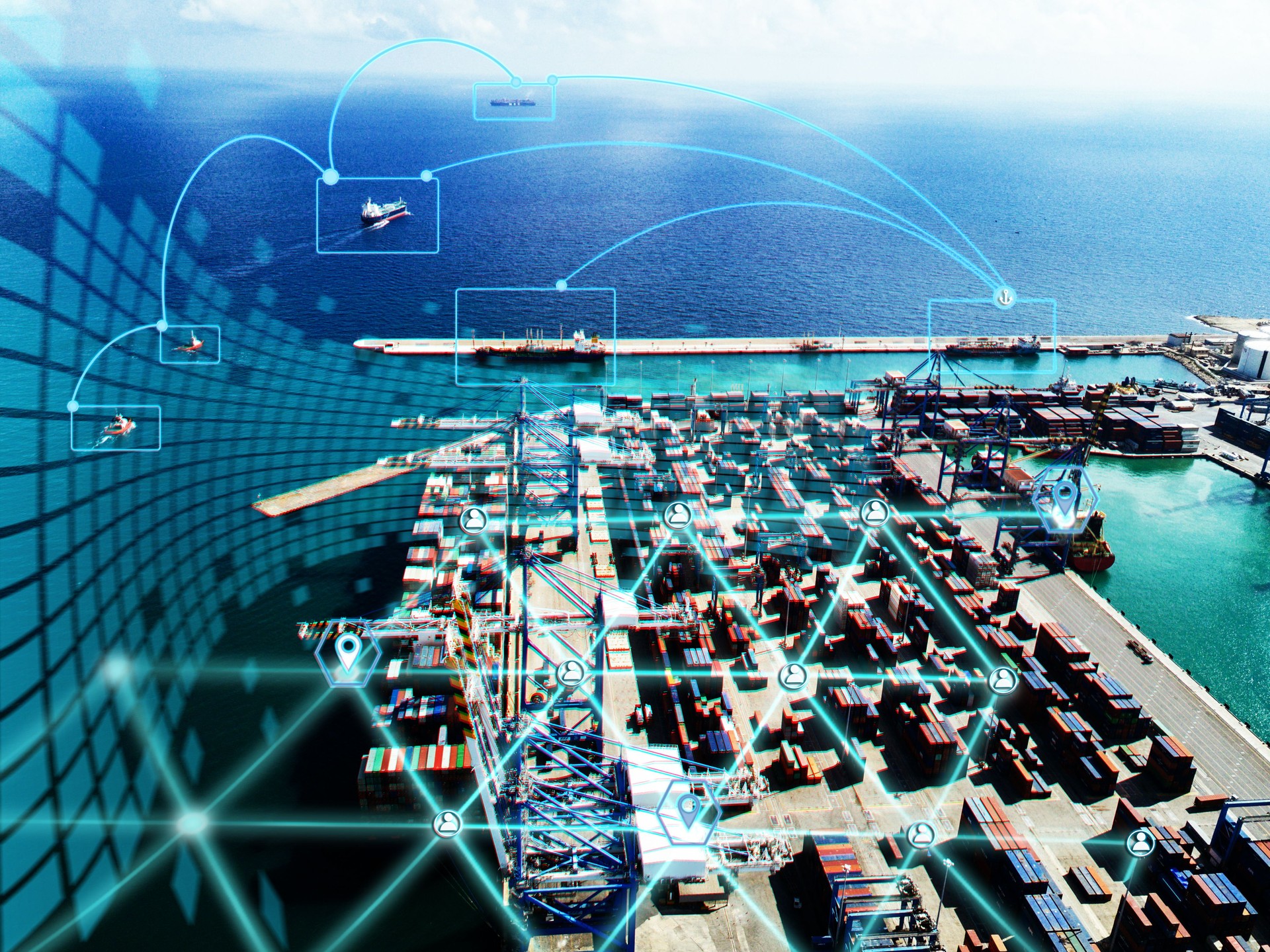
HarborFlow is a maritime intelligence system that transforms AIS tracking data and geospatial information into actionable insights on vessel behavior, traffic patterns, and operational risk.
It integrates data processing, spatial analysis, and machine learning to detect anomalies, monitor port activity, and uncover patterns that are not immediately visible in raw maritime data.
Designed as a lightweight analytics layer over complex AIS datasets, HarborFlow supports data-driven decision-making in shipping and logistics contexts.
Early-stage maritime intelligence system for analyzing vessel traffic, port activity, and operational risk — currently being tested with real-world use cases in shipping and logistics.
Open to collaborations and early-stage use cases.

Fuel & Engine Analytics (Research Prototype)
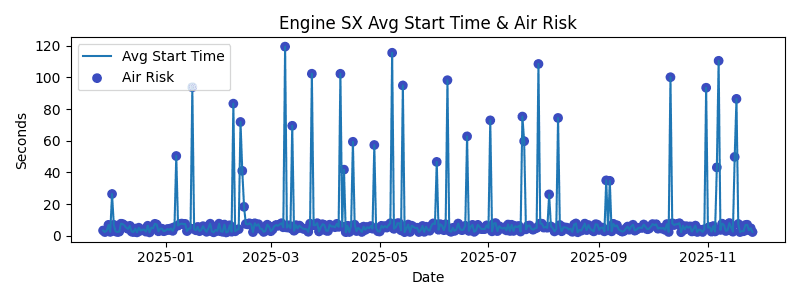
An early-stage analytics system exploring how engine and fuel data can be used to monitor performance, fuel efficiency, and operational reliability in motor yachts (18–40 meters).
The project analyzes fuel consumption patterns, engine behavior, and operational inefficiencies such as idling cycles and irregular start conditions to identify early signals of performance degradation and potential maintenance needs.
The goal is to demonstrate how structured onboard data can support early anomaly detection, improve fuel efficiency, and reduce unplanned maintenance through data-driven insights.
Key capabilities:
- Data cleaning and preprocessing of heterogeneous marine datasets
- Exploratory analysis of operational, route, and maintenance signals
- Detection of patterns in fuel consumption and engine behavior
- Early-stage feature engineering for predictive maintenance modeling
- Structured workflow for scalable marine analytics applications
Yacht Operations Data Study
(Exploratory Analysis)
An exploratory analytics system focused on yacht-related datasets, including sales activity, route patterns, and maintenance records.
The project analyzes operational and commercial data to uncover patterns in yacht usage, performance, and lifecycle behavior, with the goal of supporting more informed decision-making in yacht management and maritime operations.
Rather than focusing solely on modeling, the work emphasizes transforming fragmented datasets into structured insights that reveal trends, inefficiencies, and operational signals.
Key capabilities:
- Data cleaning and integration of heterogeneous datasets
- Analysis of route patterns, maintenance activity, and operational usage
- Identification of trends and correlations across operational variables
- Feature engineering for early-stage predictive insights
- Structured analytical workflow for scalable data applications
Collaborations
Maritime Data, GIS, and Analytics
I collaborate with individuals and teams working at the intersection of maritime data, geospatial analysis, and data science.
My focus is on applying data-driven methods to real-world maritime and logistics problems, particularly using AIS data, operational datasets, and geospatial systems.
I work across the full analytical workflow, from data cleaning and exploratory analysis to feature engineering and early-stage modeling, with a focus on generating actionable insights.
Areas of focus include:
- AIS & geospatial analysis (vessel tracking, routes, port activity)
- Operational and maintenance analytics (efficiency and performance signals)
- Risk and anomaly detection using data-driven methods
- Route optimization and environmental impact analysis
- Data systems and pipeline quality for structured analysis
- Maritime and logistics intelligence applications
I am particularly interested in projects that improve operational efficiency, support decision-making, and apply analytics to real-world maritime systems.
If you are working on maritime, logistics, GIS, or data-driven operations, I am open to collaboration and project-based discussions.