
The Role of AI/ML in Modern Italian Industries


The Integration of AI/ML in Italian Manufacturing
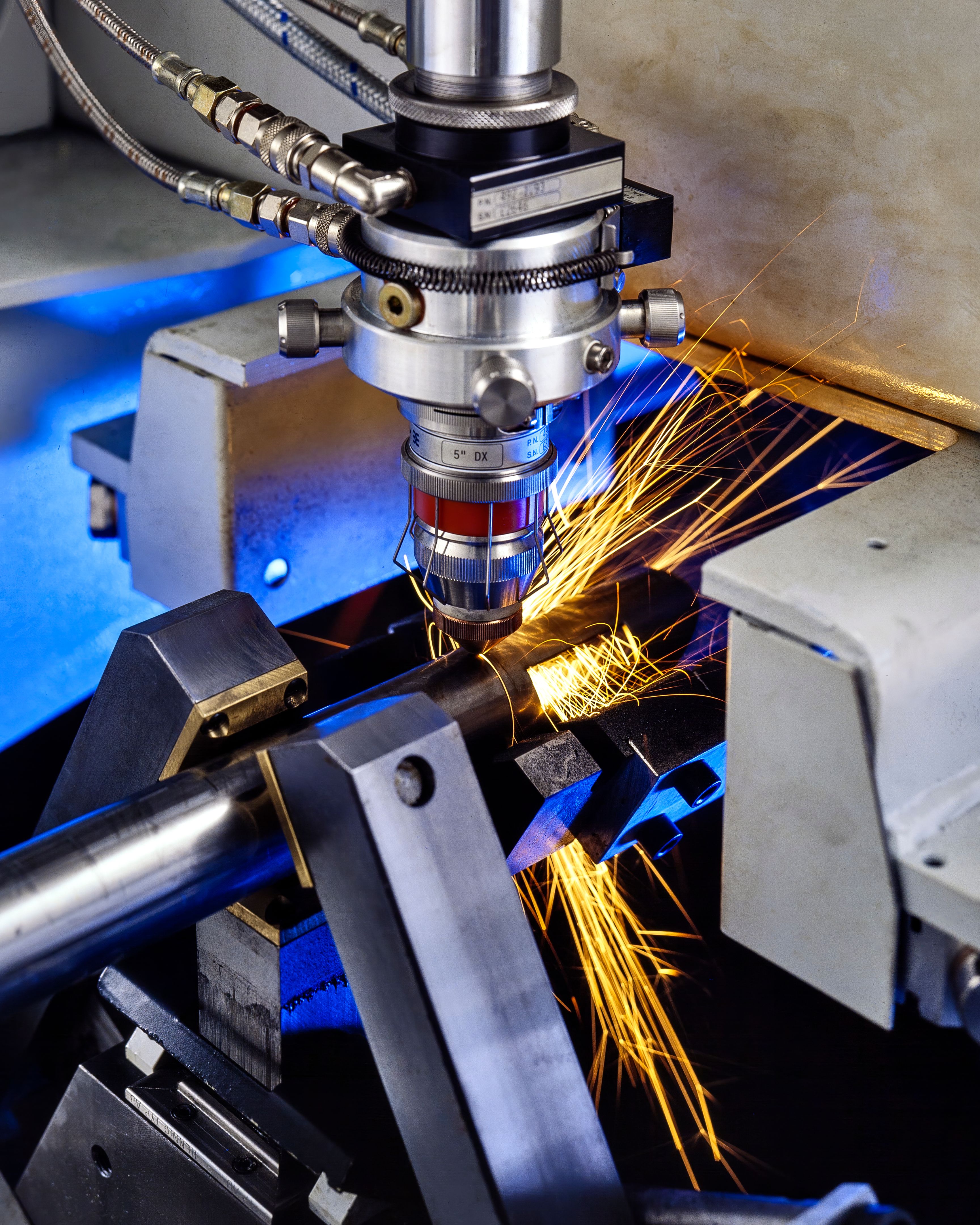
Italy's manufacturing sector, renowned for its precision and quality, is embracing the power of Artificial Intelligence (AI) and Machine Learning (ML) to enhance productivity and innovation. By integrating AI/ML technologies, businesses can optimize production processes, reduce waste, and improve quality control.
One of the most significant transformations is seen in predictive maintenance. By analyzing data from machinery, AI systems can predict failures before they occur, minimizing downtime and saving costs. This proactive approach ensures that the manufacturing process remains smooth and efficient.
Revolutionizing the Fashion Industry
Italy's fashion industry is synonymous with luxury and craftsmanship. AI and ML are playing a pivotal role in maintaining this reputation by offering personalized customer experiences and optimizing supply chains. By analyzing consumer data, fashion brands can tailor their offerings to meet individual preferences.
Moreover, AI-driven design tools are enabling designers to experiment with new styles and trends quickly. This technology empowers brands to stay ahead of the curve and remain competitive in a fast-paced market.

AI in the Italian Food and Beverage Sector
The food and beverage industry in Italy is also experiencing a technological renaissance. AI and ML are being used to enhance product quality, ensure food safety, and streamline logistics. By utilizing data analytics, producers can optimize recipes and maintain consistency across batches.
In logistics, AI-driven systems are improving supply chain efficiency by predicting demand and managing inventory effectively. This ensures that fresh ingredients are always available, contributing to the quality that Italian cuisine is famous for.

Enhancing Tourism with AI
Tourism is a vital part of Italy's economy, and AI is helping to enhance the visitor experience. AI-powered chatbots and virtual assistants provide tourists with personalized recommendations, language translation, and real-time information about attractions.
Additionally, AI-based analytics offer insights into tourist behavior, enabling businesses to tailor their services and marketing strategies. This personalized approach not only improves customer satisfaction but also boosts business profitability.

Conclusion
The integration of AI and ML in Italian industries is not just a trend but a necessity for staying competitive in the global market. From manufacturing and fashion to food and tourism, AI technologies are transforming traditional practices and paving the way for innovation.
As Italy continues to embrace these advancements, the potential for growth and improvement is limitless. By investing in AI and ML, Italian industries are securing their place at the forefront of global innovation.