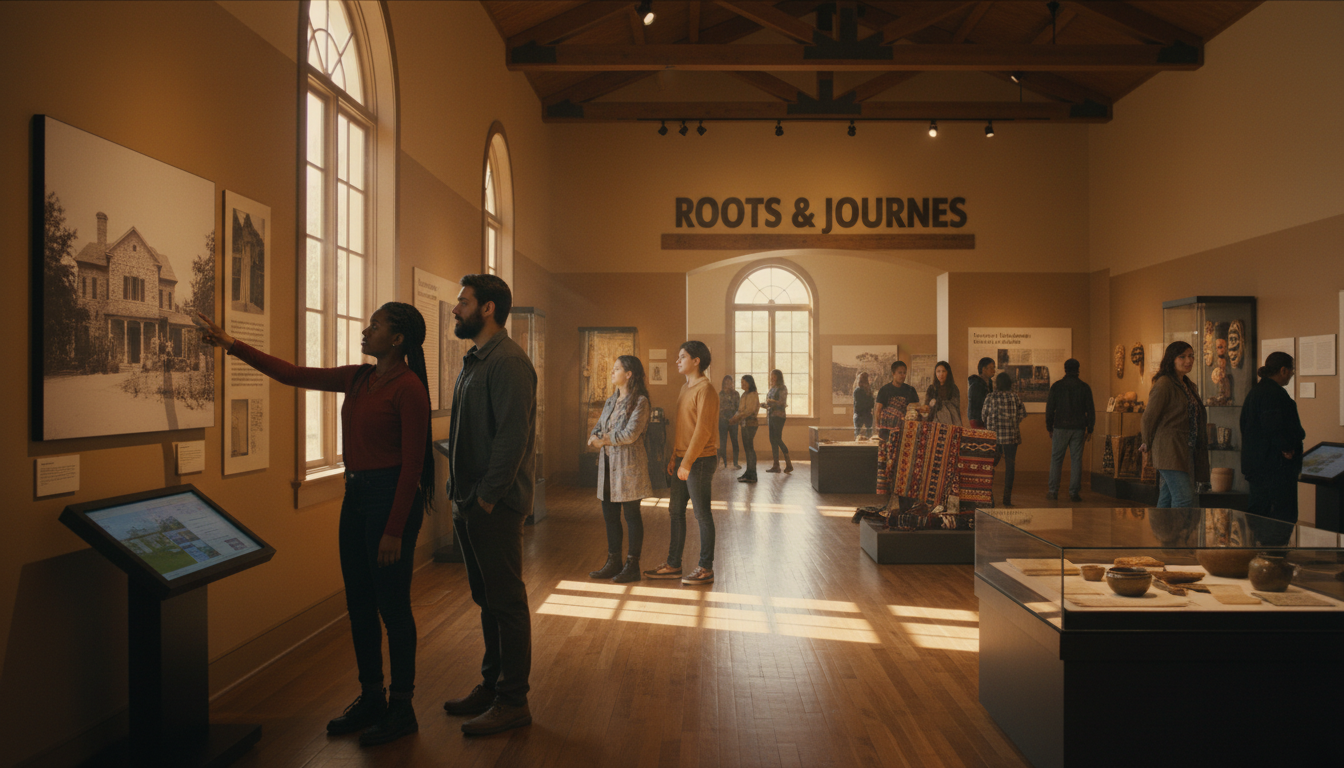
The Interdisciplinary Approach: Bridging Archaeology and AI/ML in Italy


The Interdisciplinary Approach: Bridging Archaeology and AI/ML in Italy
Italy, a nation rich in historical significance, is at the forefront of a fascinating collaboration between archaeology and artificial intelligence (AI) and machine learning (ML). This interdisciplinary approach is transforming how we explore and understand ancient civilizations, offering new insights into Italy's storied past.

Revolutionizing Archaeological Methods
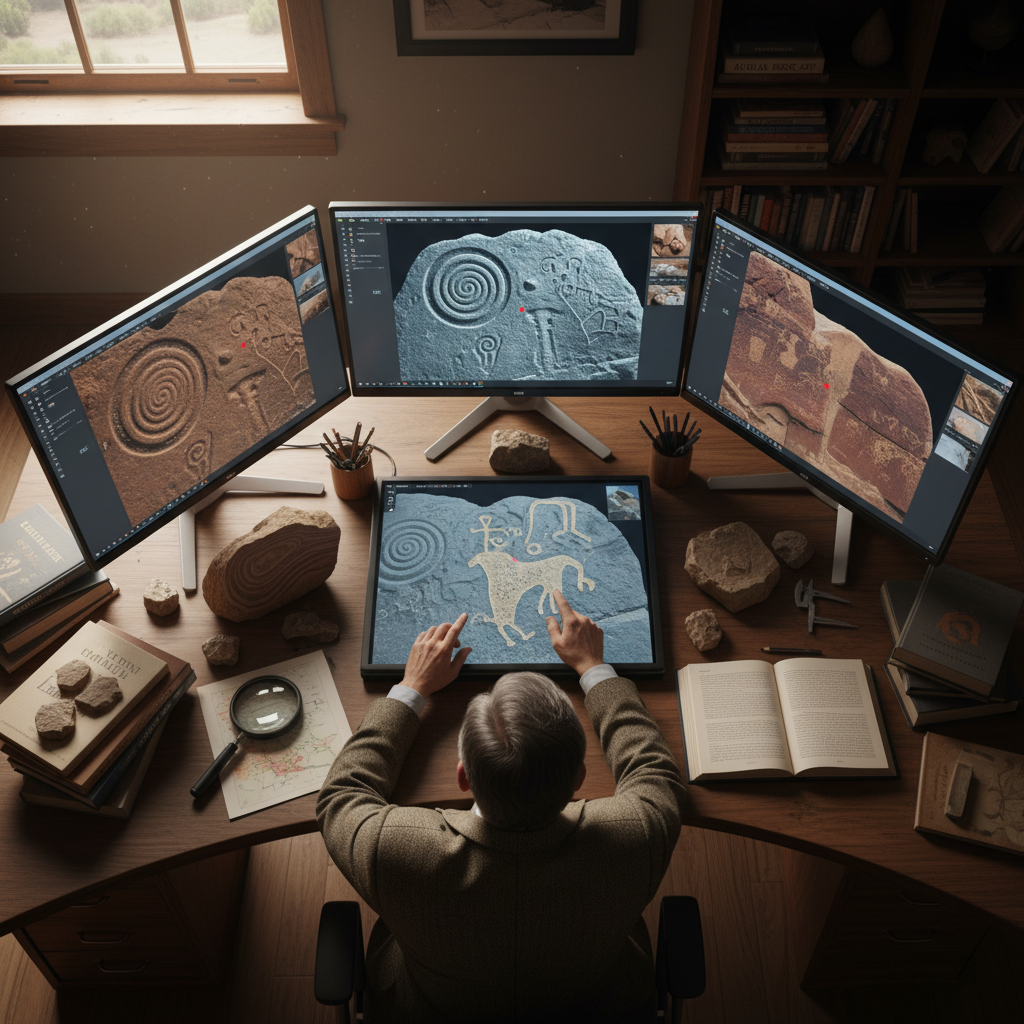
Traditionally, archaeological research has relied heavily on manual excavation and analysis. However, with the integration of AI and ML, researchers can now process vast amounts of data more efficiently. AI algorithms, for example, assist in sorting through artifacts and identifying patterns that might be invisible to the human eye.
Machine learning models are particularly adept at analyzing satellite images and geographical data to locate potential archaeological sites. This technology provides a non-invasive way to explore areas that might otherwise remain hidden, preserving the integrity of historical sites.
Applications of AI/ML in Archaeology
Several projects in Italy are utilizing AI and ML to enhance archaeological research. One notable application is the use of 3D modeling to reconstruct ancient structures. These digital reconstructions offer a glimpse into the architectural prowess of past civilizations, allowing researchers to study and share these designs globally.

Furthermore, AI-driven analysis of ancient texts and inscriptions has opened new avenues for understanding historical context and language evolution. By deciphering and translating these texts, AI helps uncover stories from Italy's rich heritage that might otherwise be lost.
Challenges and Considerations
While the benefits of integrating AI and ML into archaeology are significant, there are challenges to consider. Data quality and accuracy are crucial, and ensuring that AI models are trained with reliable data is essential. Additionally, ethical considerations around data privacy and the preservation of archaeological sites must be addressed.
Collaboration between technologists and archaeologists is vital to overcoming these challenges, ensuring that AI and ML tools are used responsibly and effectively.
The Future of Archaeology in Italy
The future of archaeology in Italy looks promising with the continued integration of AI and ML. These technologies not only enhance the efficiency and accuracy of research but also democratize access to archaeological findings, allowing a broader audience to engage with Italy’s historical treasures.
Educational institutions and research organizations are increasingly incorporating AI and ML into their curricula, preparing the next generation of archaeologists to embrace technological innovation. This ensures that Italy remains a leader in archaeological research and preservation.
Conclusion
The interdisciplinary approach of combining archaeology with AI and ML is revolutionizing the field, unlocking new possibilities for exploration and discovery. As these technologies continue to evolve, they promise to deepen our understanding of Italy’s past and preserve its cultural heritage for future generations.