
The Future of AI in Maritime Industries: Insights from Italy


Introduction to AI in Maritime Industries
The maritime industry is on the brink of a technological revolution, and artificial intelligence (AI) is at the forefront of this transformation. As one of the world's oldest industries, maritime is now embracing cutting-edge technology to enhance efficiency, safety, and sustainability. Italy, with its rich maritime heritage, is playing a pivotal role in integrating AI into maritime operations.
AI technologies are not only streamlining operations but also providing insights that were previously unimaginable. From autonomous vessels to predictive maintenance, AI is reshaping the maritime landscape in Italy and beyond.
Autonomous Vessels: Setting Sail for the Future
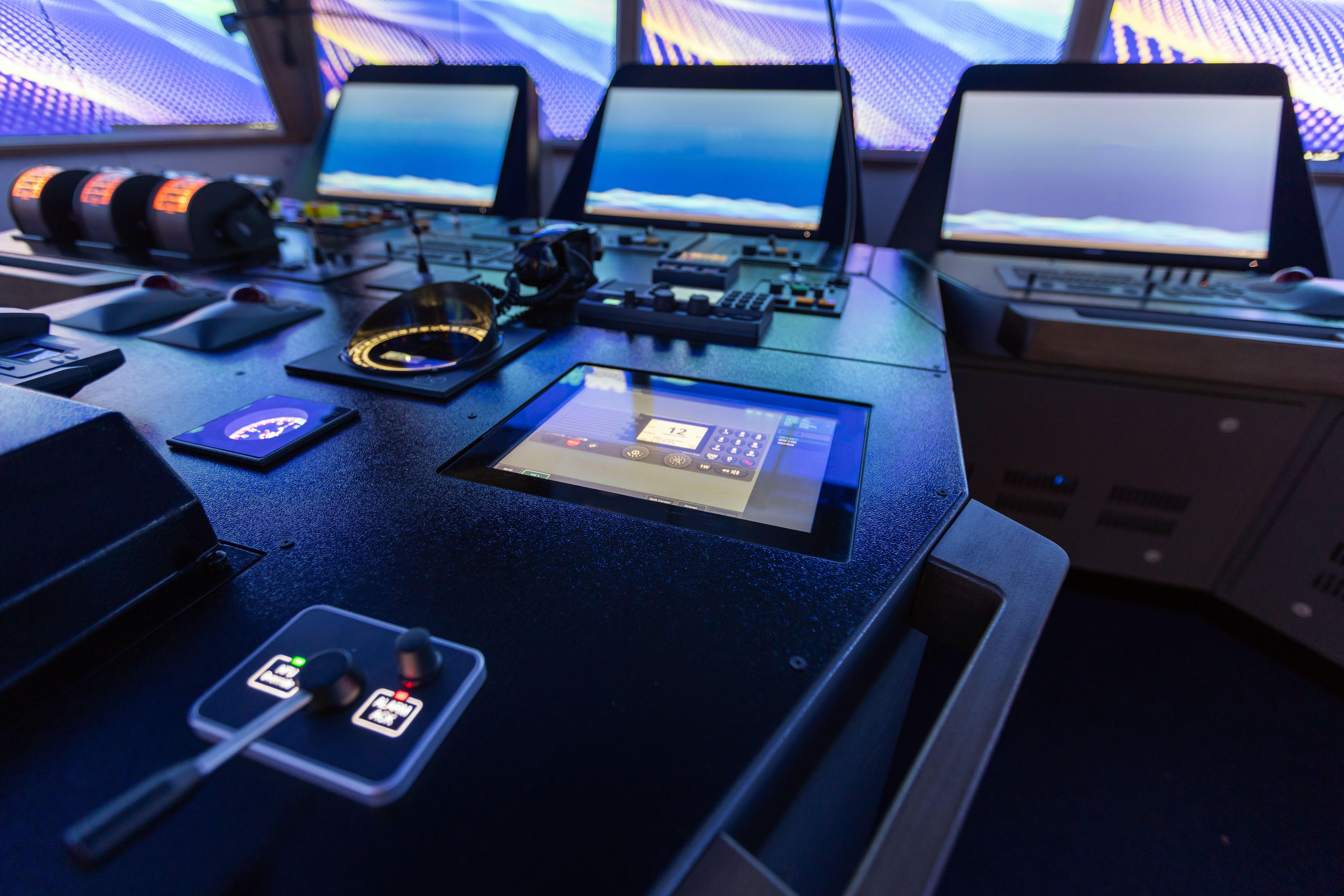
Autonomous vessels are perhaps the most talked-about AI innovation in the maritime sector. These ships are equipped with advanced sensors and AI algorithms, allowing them to navigate and operate without human intervention. In Italy, trials of autonomous ships have shown promising results, reducing the need for crew on board and minimizing human error.
This technology not only improves operational efficiency but also enhances safety. By leveraging AI, autonomous vessels can make real-time decisions based on weather conditions, sea traffic, and other critical data points.
Challenges and Opportunities
While the potential benefits are significant, there are challenges to overcome, particularly in regulatory frameworks and technology adoption. Italy is at the forefront of addressing these challenges, working closely with international maritime organizations to develop standards and guidelines for autonomous shipping.
AI-Driven Predictive Maintenance
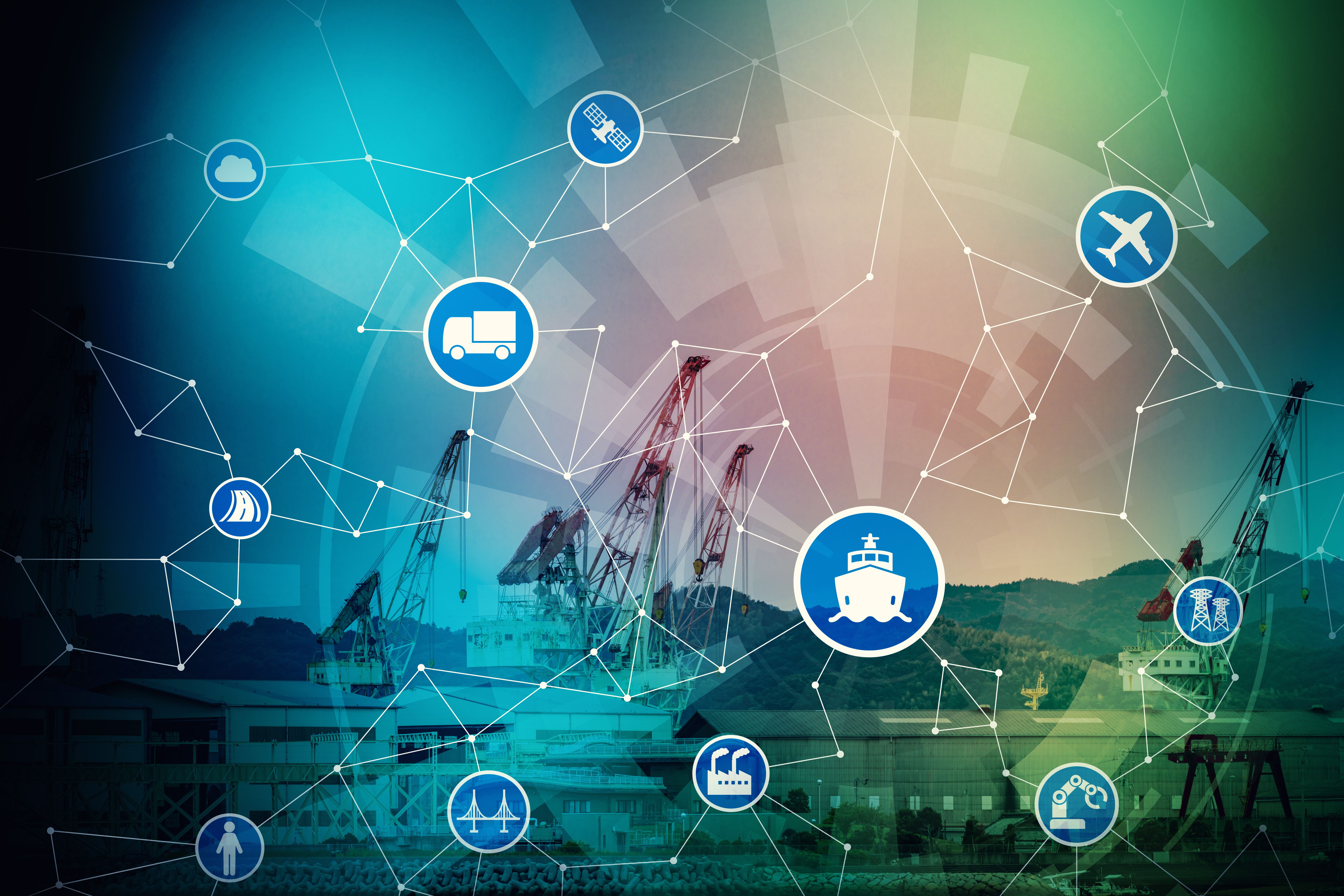
Predictive maintenance is another area where AI is making waves. By analyzing data from sensors placed on ships and ports, AI can predict equipment failures before they occur. This proactive approach reduces downtime and maintenance costs, ensuring smoother operations.
Italian companies are investing heavily in AI-driven maintenance solutions, seeing substantial returns on investment. This technology not only boosts efficiency but also extends the lifespan of maritime equipment, contributing to sustainability efforts.
Implementation Strategies
For successful implementation, companies need to consider the integration of AI systems with existing infrastructure. Italian maritime firms are focusing on seamless integration, ensuring that AI tools complement traditional processes rather than replace them entirely.

Environmental Impact and Sustainability
Sustainability is a key concern for the maritime industry, and AI is helping to address this issue. By optimizing routes and reducing fuel consumption, AI contributes to lower carbon emissions. Italy is leading several initiatives aimed at creating greener shipping solutions through AI.
Moreover, AI technologies are being used to monitor marine ecosystems, providing valuable data that supports environmental conservation efforts. These initiatives align with global sustainability goals, highlighting Italy's commitment to a cleaner maritime future.
Collaborations and Innovations
Italy's maritime industry is collaborating with tech companies and research institutions to innovate and implement AI solutions. These partnerships are crucial for developing advanced technologies that meet the industry's unique needs and challenges.
By fostering a culture of innovation, Italy is setting an example for other nations, driving the global maritime industry towards a more sustainable and efficient future.

Conclusion: Navigating the Future
The future of AI in maritime industries is bright, with Italy playing a significant role in shaping this future. As AI technologies continue to evolve, they promise to bring unprecedented changes to maritime operations, enhancing efficiency, safety, and sustainability.
As we look ahead, the successful integration of AI will depend on collaboration, innovation, and a commitment to addressing the challenges that lie ahead. Italy's proactive approach serves as a model for other countries, demonstrating the potential of AI to transform one of the world's most critical industries.