
Navigating AI Trends in the Maritime Sector: What to Watch


The maritime sector is undergoing a digital transformation, with Artificial Intelligence (AI) at the helm of this shift. As AI technologies continue to evolve, they offer unprecedented opportunities to enhance operational efficiency, safety, and sustainability in maritime operations.
AI-Powered Navigation and Route Optimization
One of the most significant AI applications in the maritime industry is route optimization. By utilizing AI algorithms, shipping companies can analyze vast amounts of data, including weather conditions, sea currents, and fuel consumption. This allows for the determination of the most efficient and safe routes, reducing travel time and fuel costs.
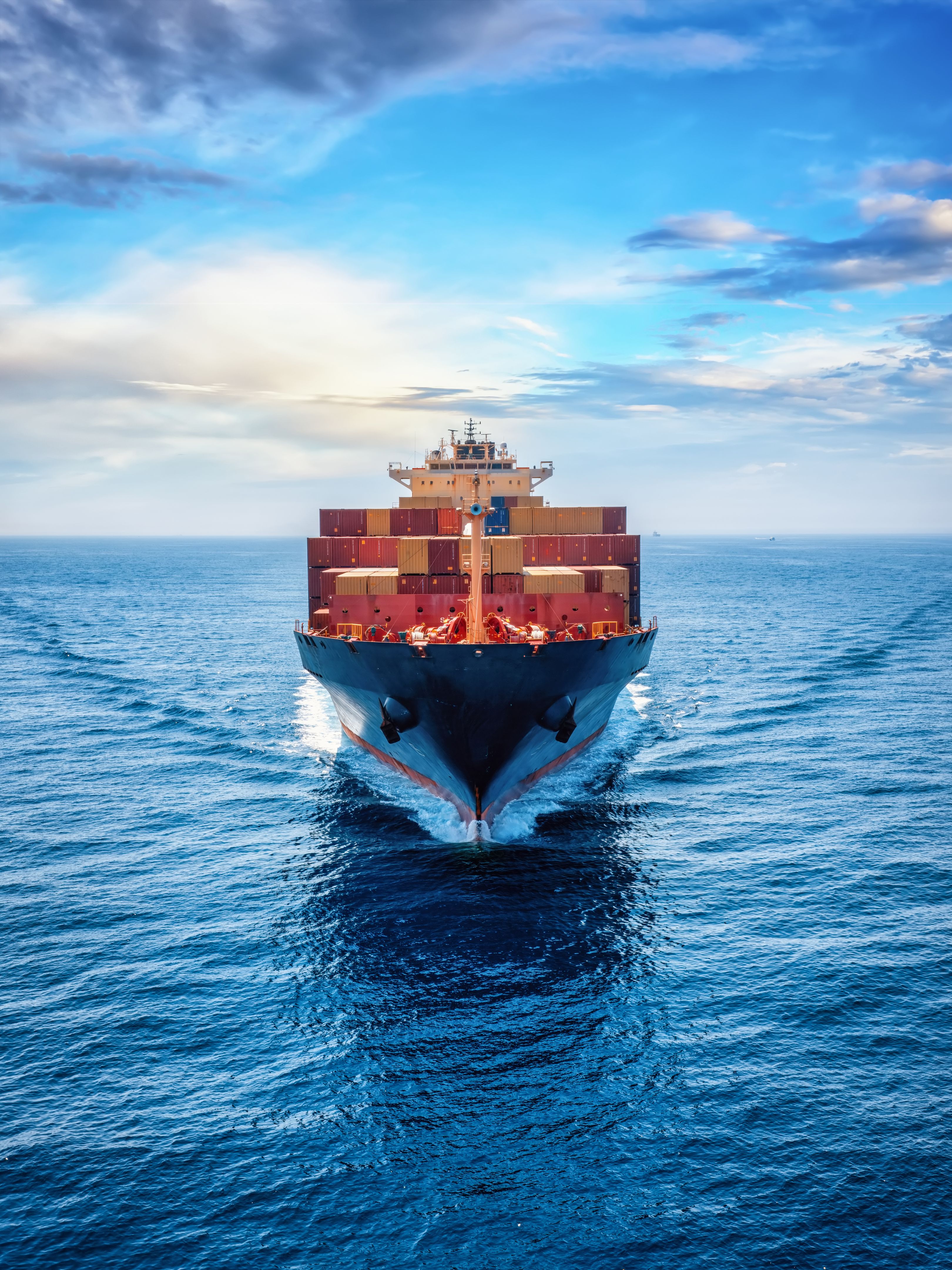
AI-powered navigation systems are also revolutionizing the way vessels are piloted. These systems can assist in real-time decision-making, helping crew members avoid obstacles and mitigate risks, ultimately enhancing safety at sea.
Predictive Maintenance and Fleet Management
Predictive maintenance is another AI trend gaining traction. By collecting and analyzing data from ship sensors, AI can predict equipment failures before they occur. This proactive approach minimizes downtime and extends the lifespan of machinery, which is crucial for cost-effective operations.
Fleet management systems are increasingly incorporating AI to streamline operations. These systems offer a comprehensive view of vessel performance, allowing for better resource allocation and improved decision-making processes.
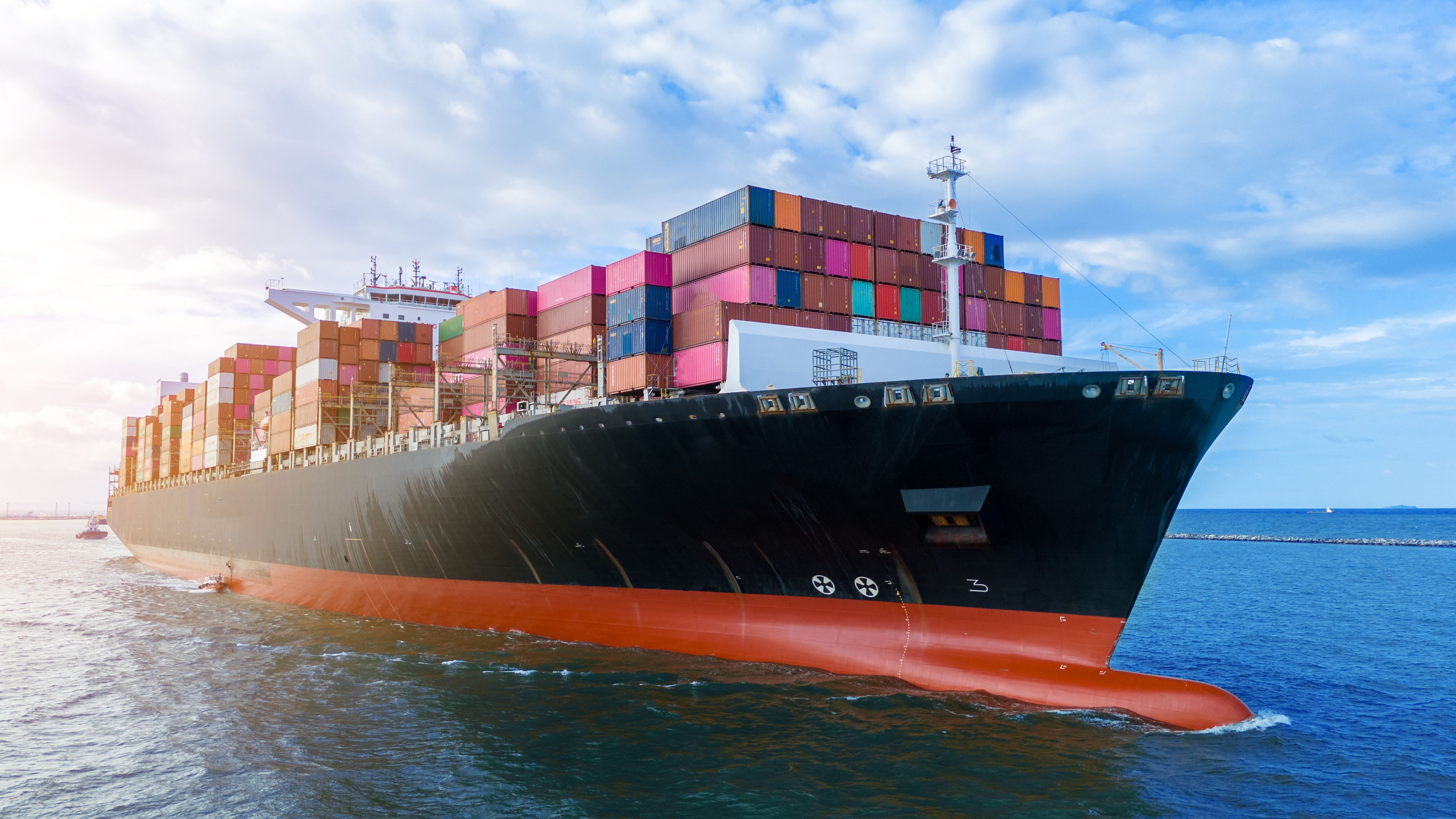
Enhancing Safety and Security
AI technologies are also playing a crucial role in enhancing maritime safety and security. Advanced surveillance systems equipped with AI can detect and respond to potential threats, such as piracy or unauthorized vessel entry, more efficiently than traditional methods.
Moreover, AI can assist in monitoring environmental compliance by analyzing emissions data and ensuring adherence to international regulations. This not only helps in maintaining a cleaner environment but also avoids costly penalties.

Sustainability and Environmental Impact
The maritime sector is under increasing pressure to reduce its environmental footprint. AI can contribute significantly by optimizing fuel consumption, reducing emissions, and improving waste management practices. Through intelligent systems, ships can operate more sustainably, aligning with global efforts to combat climate change.
AI solutions are also being developed to monitor and protect marine biodiversity. By analyzing data from various sources, AI can help identify and track endangered species, ensuring that shipping lanes do not disrupt natural habitats.
Challenges and Future Prospects
Despite the promising benefits, the integration of AI in maritime operations presents challenges, including high implementation costs and the need for upskilling personnel. Companies must invest in training and development to fully leverage AI technologies.
Looking ahead, the maritime sector is poised for further advancements in AI. As technology continues to evolve, stakeholders must stay informed and adaptable to harness the full potential of AI, ensuring a safer, more efficient, and sustainable future for maritime operations.