
Navigating AI Trends: What the Maritime Industry Needs to Know


Understanding AI's Role in the Maritime Industry
The maritime industry, a cornerstone of global trade and commerce, is undergoing a significant transformation with the advent of artificial intelligence (AI). As AI continues to evolve, its applications in maritime operations are becoming more sophisticated, offering unprecedented opportunities for efficiency and innovation.
AI technologies are enabling smarter navigation, predictive maintenance, and improved safety measures. The integration of AI in these areas not only enhances operational efficiency but also reduces costs and environmental impact. Understanding these trends is crucial for stakeholders looking to maintain a competitive edge.
Smart Navigation Systems
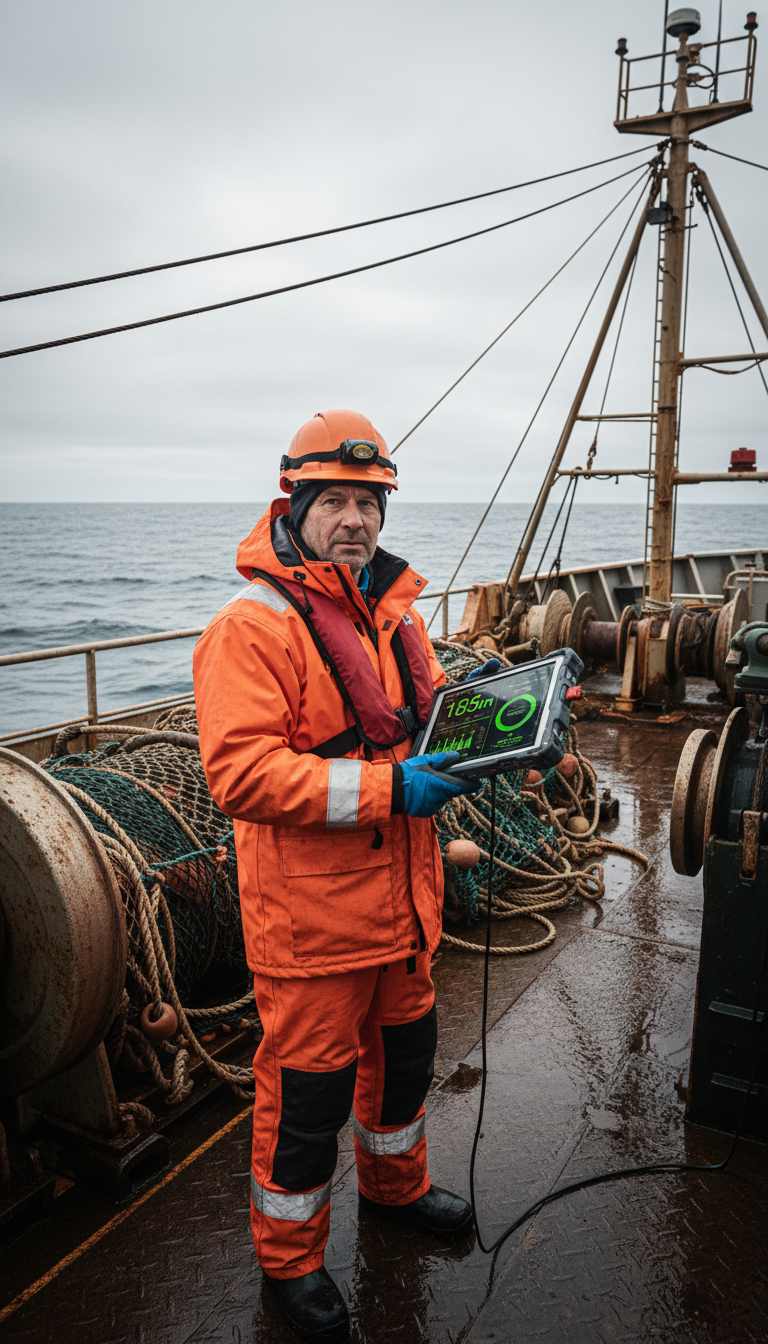
One of the most promising applications of AI in the maritime industry is in navigation. AI-powered systems can process vast amounts of data from GPS, weather forecasts, and oceanographic models to optimize routes and reduce fuel consumption. These systems are designed to adapt in real-time, providing dynamic solutions to navigational challenges.
Moreover, AI technologies can predict potential hazards and suggest alternative routes, ensuring a safer journey. This capability is particularly important in the context of tighter environmental regulations and the increasing demand for sustainable shipping practices.
Predictive Maintenance
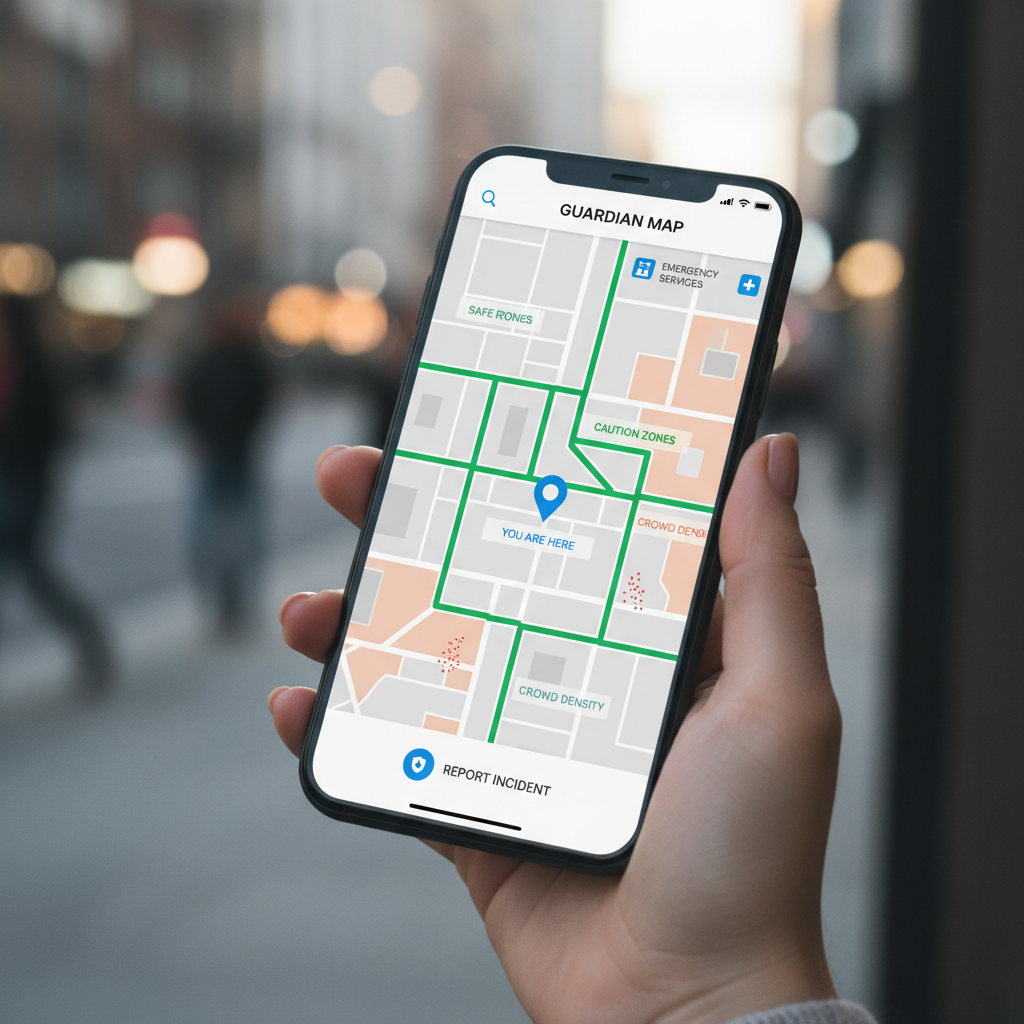
AI is revolutionizing maintenance operations through predictive analytics. By analyzing data from various sensors and equipment, AI systems can predict when a component is likely to fail, allowing for timely maintenance. This not only minimizes downtime but also extends the lifespan of maritime equipment.
Predictive maintenance contributes to significant cost savings and operational efficiency. It empowers maritime companies to shift from reactive to proactive maintenance strategies, ensuring vessels remain in optimal condition.

Enhancing Safety and Security
Safety and security are paramount in the maritime industry, and AI is playing a pivotal role in enhancing these aspects. AI-driven surveillance systems can monitor vast areas of the ocean, identifying potential threats and alerting authorities in real-time.
Furthermore, AI can assist in search and rescue operations by analyzing satellite images and predicting the movements of vessels and individuals in distress. This technology is vital for improving response times and increasing the chances of successful rescue missions.
Challenges and Considerations
Despite the advantages, integrating AI into maritime operations presents challenges. Data security, the need for skilled personnel, and the high cost of implementation are significant hurdles. Additionally, the reliance on AI systems raises questions about accountability and decision-making.
To address these challenges, industry stakeholders must invest in training and development, ensuring their workforce is equipped to handle AI technologies. Collaborative efforts are essential to establish standards and regulations that guide the ethical use of AI in maritime operations.
The Future of AI in Maritime
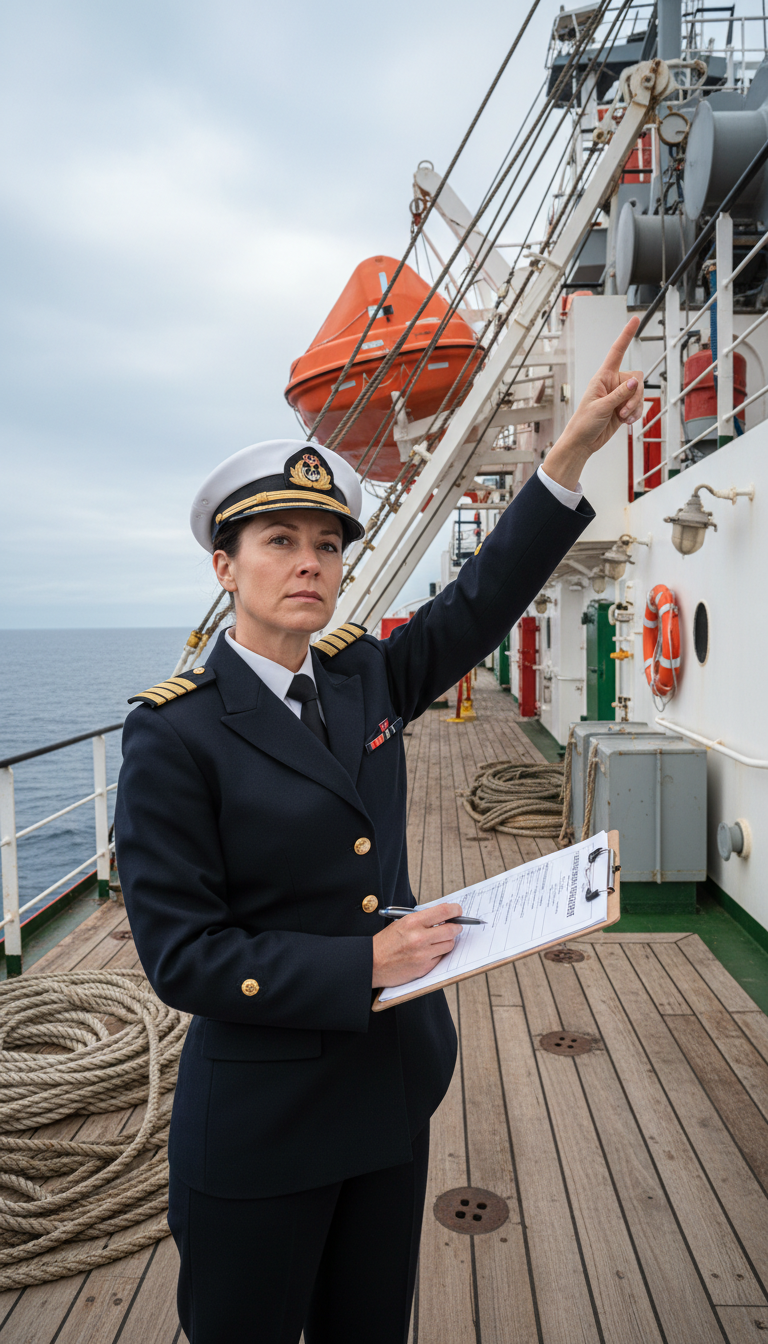
The future of AI in the maritime industry looks promising, with continuous advancements paving the way for more innovative solutions. From autonomous vessels to AI-driven logistics, the possibilities are vast and transformative.
As the industry navigates these trends, staying informed and adaptable will be key. Embracing AI not only supports operational efficiency but also positions maritime companies at the forefront of technological innovation.