
Navigating AI Trends: A Guide for the Maritime Sector


Understanding AI in the Maritime Sector
The maritime industry is no stranger to technological advancements. As artificial intelligence continues to evolve, its impact on the maritime sector becomes increasingly significant. AI offers numerous opportunities for improving efficiency, safety, and sustainability in maritime operations.
Implementing AI technologies can help streamline processes such as navigation, cargo handling, and maintenance. By automating routine tasks, AI allows human resources to focus on more complex decision-making and strategic planning.

Enhancing Navigation and Safety
AI-powered navigation systems are revolutionizing how ships traverse the seas. These systems use real-time data to optimize routes, reducing fuel consumption and travel time. AI can also predict weather patterns and ocean conditions, offering insights that enhance safety and efficiency.
Furthermore, AI technologies can help in detecting and avoiding obstacles, minimizing the risk of collisions. This is vital for ensuring the safety of crew and cargo, especially in congested shipping lanes.
Optimizing Cargo Management
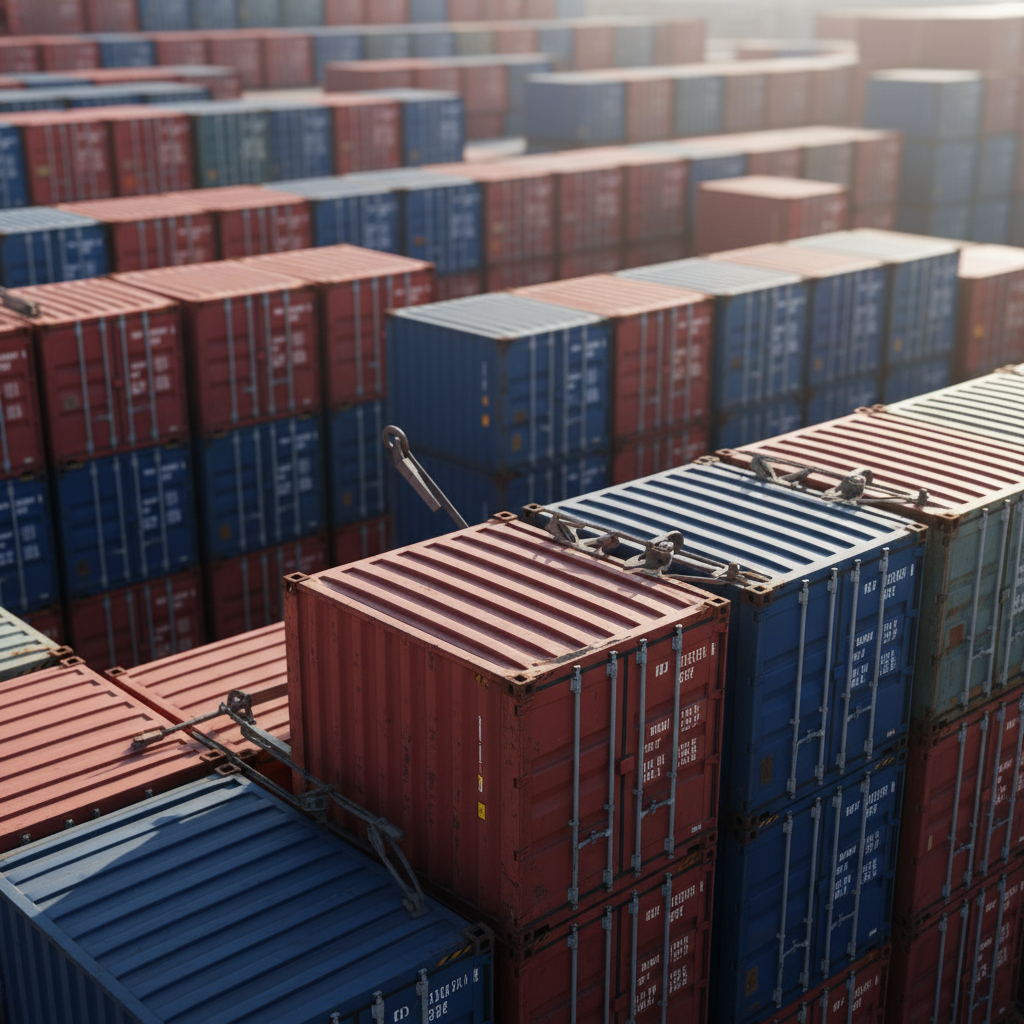
Efficient cargo management is crucial for the profitability of shipping companies. AI algorithms can analyze data to predict demand, optimize loading plans, and manage inventory. This leads to reduced operational costs and improved customer satisfaction.
By integrating AI into cargo management, companies can ensure timely deliveries and minimize the risk of loss or damage to goods. The ability to analyze trends and patterns allows for proactive decision-making, further enhancing operational efficiency.
Predictive Maintenance and Asset Management
AI-driven predictive maintenance is transforming how maritime assets are managed. By continuously monitoring the condition of equipment and machinery, AI can predict failures before they occur. This proactive approach reduces downtime and maintenance costs.
Implementing AI in asset management also helps in extending the lifespan of equipment and ensuring compliance with safety regulations. This not only enhances operational reliability but also contributes to environmental sustainability by reducing waste and emissions.
Sustainability and Environmental Impact
The maritime industry is under increasing pressure to reduce its environmental footprint. AI technologies can play a crucial role in achieving sustainability goals. By optimizing fuel consumption and reducing emissions, AI contributes to greener shipping practices.
Moreover, AI can assist in monitoring and managing the impact of maritime activities on marine ecosystems. This includes tracking pollution levels and implementing measures to protect marine biodiversity.

Challenges and Considerations
While the benefits of AI in the maritime sector are clear, there are challenges to consider. Integrating AI systems requires significant investment and changes in infrastructure. Companies must also address issues related to data privacy and cybersecurity.
Moreover, there is a need for skilled personnel to manage and maintain AI technologies. Continuous training and development are essential to ensure the successful implementation and operation of AI systems.
The Future of AI in Maritime
The future of AI in the maritime sector is promising. As technology advances, we can expect further innovations that enhance efficiency, safety, and sustainability. Companies that embrace AI will likely gain a competitive edge in the industry.
Collaboration between technology providers, regulatory bodies, and maritime companies will be crucial in navigating the challenges and opportunities presented by AI.

Conclusion
AI is set to become an integral part of the maritime industry. By understanding and leveraging AI trends, maritime companies can drive innovation and achieve long-term success. As the industry continues to evolve, staying informed and adaptable will be key to navigating the future of maritime operations.