
Integrating AI in Maritime Operations: Case Studies from Italy


Introduction to AI in Maritime Operations
The integration of Artificial Intelligence (AI) in maritime operations is revolutionizing the industry, offering enhanced efficiency, safety, and sustainability. Italy, with its rich maritime history and advanced technological capabilities, is at the forefront of this transformation. By employing AI, Italian maritime companies are setting new standards in operational excellence.
AI technologies are being utilized to optimize various aspects of maritime operations, including navigation, cargo management, and predictive maintenance. This post explores some compelling case studies from Italy to illustrate the tangible benefits AI brings to the maritime sector.
AI-Driven Navigation Systems
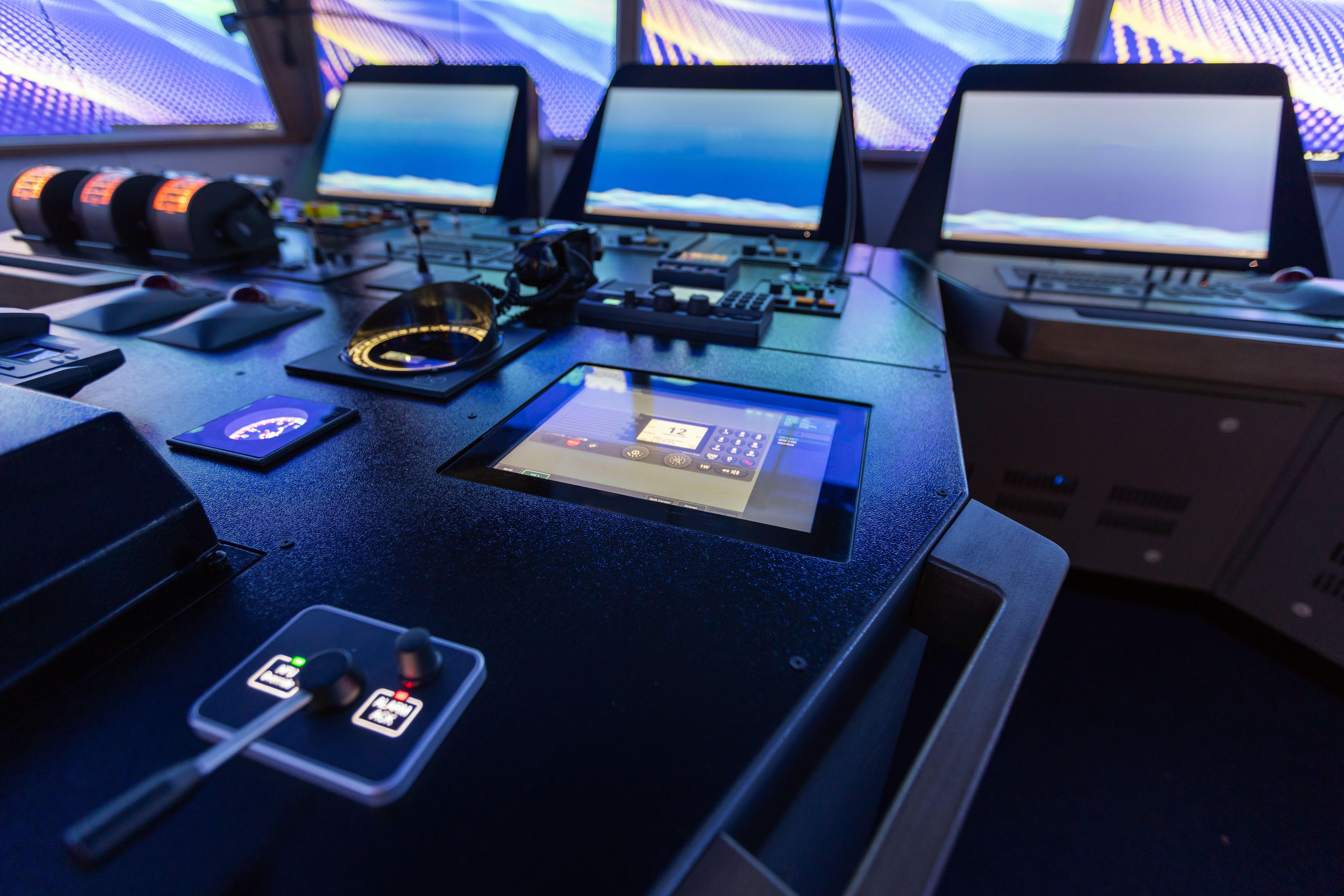
One of the most significant advancements in maritime operations is the use of AI-driven navigation systems. Italian shipping companies are leveraging AI to enhance route planning and fuel efficiency. These systems analyze vast amounts of data, such as weather conditions and sea currents, to recommend optimal routes.
A prominent example is the collaboration between Italian maritime firms and AI developers to create smart navigation platforms. These platforms provide real-time updates and predictive analytics, helping vessels avoid adverse conditions and reduce fuel consumption by up to 15%.

Case Study: Smart Shipping Solutions
In a noteworthy case, an Italian shipping company implemented an AI-based solution to monitor and optimize its fleet's performance. This system utilizes machine learning algorithms to predict maintenance needs and optimize crew schedules. As a result, the company reported a 20% reduction in downtime and a significant decrease in operational costs.
Enhancing Cargo Management
AI is also transforming cargo management in Italy's maritime industry. By employing AI algorithms, companies can improve container tracking and inventory management, ensuring timely deliveries and reducing losses from misplaced cargo.
Italian ports are implementing AI solutions to automate container handling and streamline operations. These systems use AI to coordinate the movement of goods, reducing the time ships spend in port and increasing throughput.

Case Study: Automated Italian Ports
An Italian port authority successfully deployed an AI-driven cargo management system that improved operational efficiency by 30%. The system uses AI to analyze cargo data, allowing for better planning and allocation of resources. This innovation has positioned the port as a leader in efficiency and innovation.
Predictive Maintenance with AI
Predictive maintenance is another area where AI is making significant strides. Italian maritime companies are employing AI to predict equipment failures before they occur, thereby minimizing downtime and maintenance costs.
By analyzing data from sensors and historical maintenance records, AI systems can forecast potential issues and schedule maintenance proactively. This approach not only reduces costs but also enhances safety and reliability.

Case Study: AI in Ship Maintenance
A leading Italian marine engineering firm implemented an AI-based predictive maintenance program. The system accurately predicted engine failures, allowing for timely interventions and saving the company millions in repairs and lost productivity.
Conclusion
The integration of AI in maritime operations is unlocking new possibilities for efficiency, safety, and sustainability. Italy's proactive adoption of these technologies serves as an inspiring model for other maritime nations. As AI continues to evolve, the potential for further innovations in the maritime sector is immense, promising a future where shipping is not only faster but also more environmentally responsible.