
Innovations in Maritime Technology: How AI/ML is Leading the Way


In recent years, the maritime industry has witnessed a technological revolution driven by advancements in Artificial Intelligence (AI) and Machine Learning (ML). These innovations are streamlining operations, enhancing safety, and improving efficiency across the board. From autonomous vessels to predictive maintenance, AI and ML are charting a new course for maritime technology.
One of the most groundbreaking innovations in maritime technology is the development of autonomous ships. These vessels are equipped with sophisticated AI systems that enable them to navigate and operate without human intervention. By using sensors and data analytics, autonomous ships can optimize routes, reduce fuel consumption, and minimize human error.
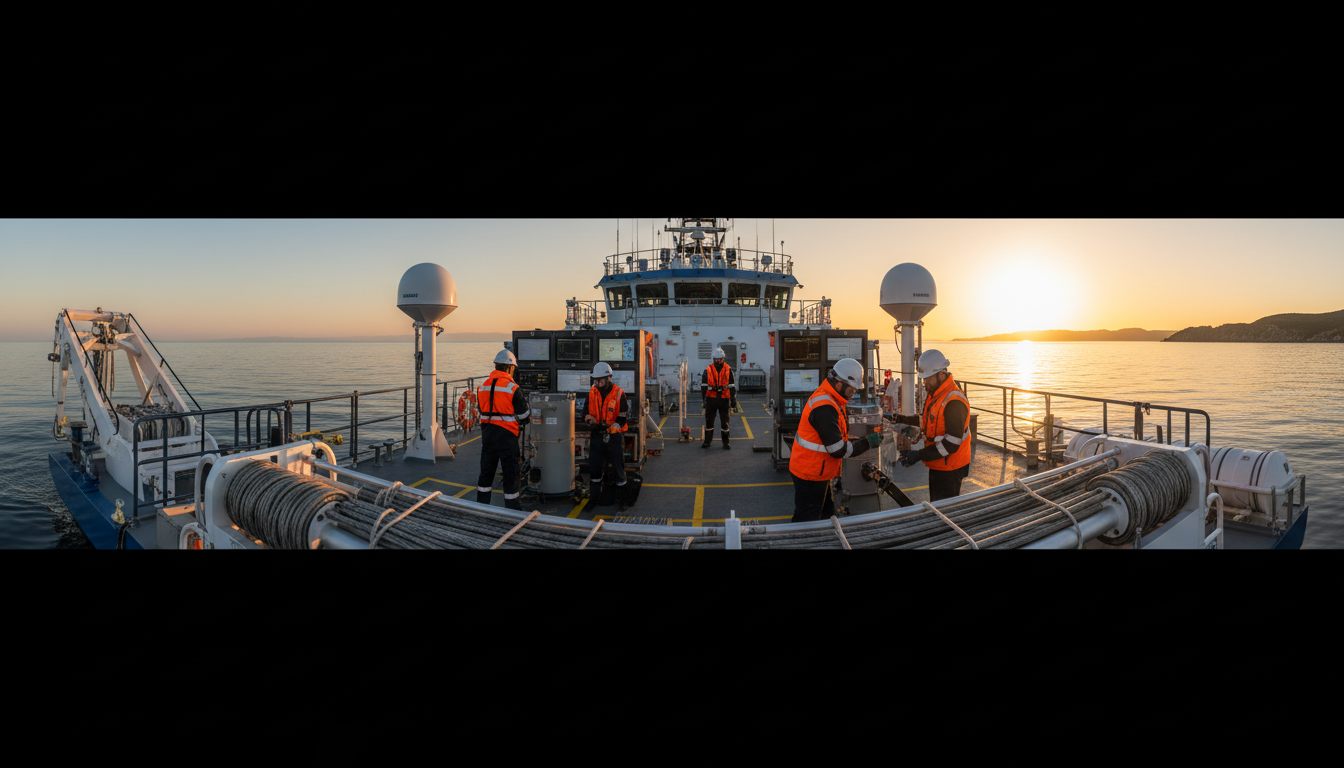
Smart Navigation Systems
AI-driven smart navigation systems are transforming how vessels traverse the seas. These systems utilize real-time data, such as weather conditions and sea traffic, to make informed decisions. By continuously learning from new data, they can provide optimal routing solutions, thereby reducing travel time and fuel costs.
Such systems also enhance safety by identifying potential hazards and suggesting alternative routes. The integration of AI in navigation not only improves efficiency but also contributes to sustainable maritime practices by reducing emissions.

Predictive Maintenance
Predictive maintenance is another area where AI and ML are making significant strides. By analyzing data from sensors embedded in ship components, AI algorithms can predict equipment failures before they occur. This proactive approach to maintenance helps in avoiding costly repairs and unplanned downtime.
Maritime companies are increasingly adopting predictive maintenance to extend the lifespan of their vessels and improve operational efficiency. This technology ensures that ships remain in top condition, thereby enhancing safety and reliability at sea.

Optimized Cargo Management
AI and ML are also revolutionizing cargo management by optimizing loading processes and improving supply chain efficiency. AI algorithms can analyze variables such as cargo weight, distribution, and weather conditions to maximize space and stability.
This optimization leads to faster loading and unloading times, reducing delays and ensuring that goods reach their destinations on schedule. Efficient cargo management is crucial for meeting the growing demands of global trade.
Enhanced Maritime Security
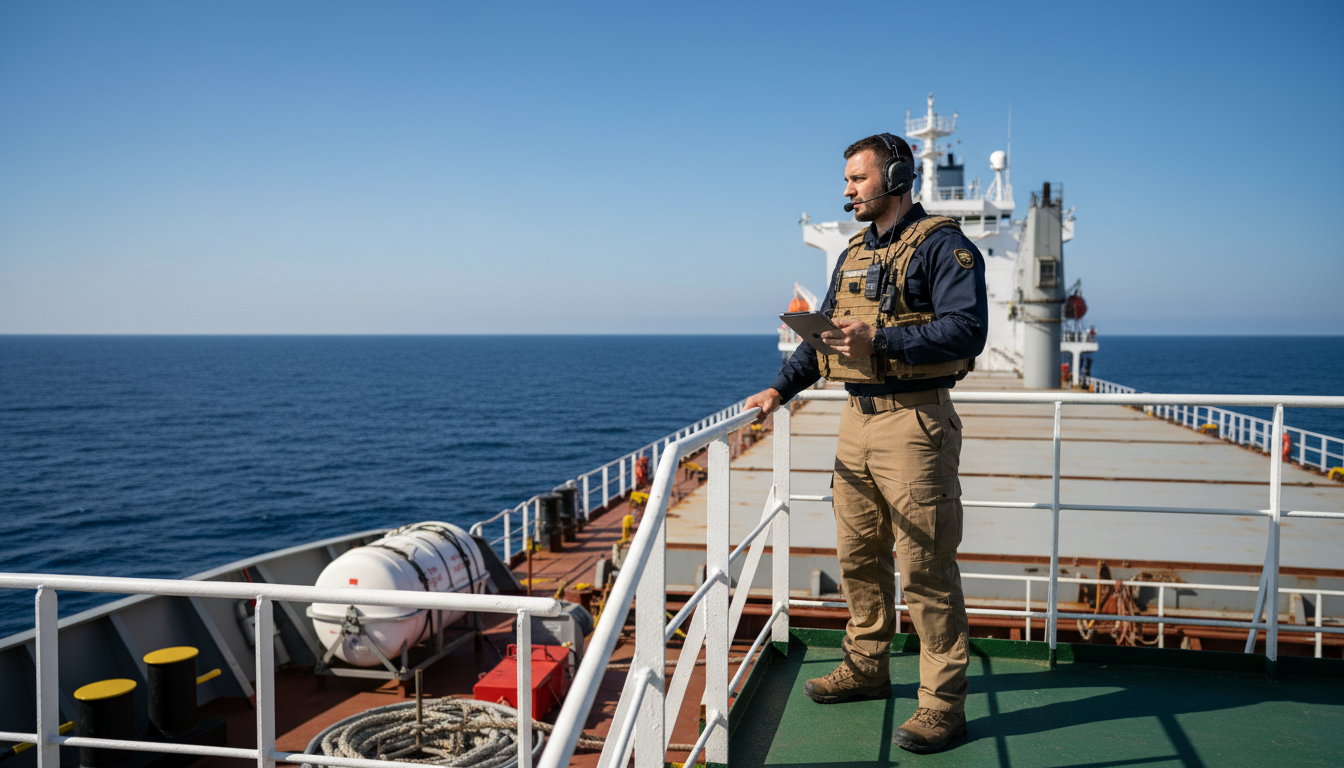
Security is a paramount concern in the maritime industry, and AI is playing a pivotal role in enhancing it. AI systems can monitor vast ocean areas, detecting anomalies and potential threats in real-time. Machine learning algorithms analyze patterns and can identify suspicious activities, providing timely alerts to authorities.
These advancements in maritime security help in preventing illegal activities such as smuggling and piracy, ensuring safer seas for all.
Conclusion
The integration of AI and ML in maritime technology is not just an innovation—it's a necessity for the industry's future. By embracing these technologies, the maritime sector can achieve unprecedented levels of efficiency, safety, and sustainability. As AI and ML continue to evolve, their impact on maritime operations will only grow, steering the industry toward a more advanced and resilient future.