
How Machine Learning is Revolutionizing the Maritime Industry in Italy


Introduction to Machine Learning in Maritime
Italy, with its extensive coastline and rich maritime history, is embracing machine learning to enhance its maritime industry. From optimizing routes to ensuring safety, machine learning is transforming how the industry operates, bringing about remarkable efficiencies and innovations.

Optimizing Maritime Logistics
One of the significant impacts of machine learning in the maritime industry is in logistics optimization. Machine learning algorithms analyze vast amounts of data, predicting the best possible routes and schedules. This not only reduces fuel consumption but also minimizes transit times. Italian shipping companies are utilizing these technologies to streamline operations and reduce costs.
Predictive Maintenance
Predictive maintenance is another area where machine learning is making waves. By analyzing data from ship sensors, machine learning models can predict equipment failures before they occur, allowing for timely maintenance. This innovation decreases downtime and extends the lifespan of maritime equipment.

Enhancing Safety and Security
Safety is paramount in the maritime industry, and machine learning contributes significantly to enhancing it. Algorithms can detect anomalies in shipping patterns, identifying potential security threats or environmental hazards. The Italian Coast Guard, for example, uses machine learning to monitor and respond to risks more effectively.
Autonomous Vessels
The development of autonomous vessels is a cutting-edge application of machine learning in the maritime sector. These vessels are equipped with advanced sensors and machine learning algorithms that enable them to navigate and make decisions with minimal human intervention. Italy is at the forefront of testing these technologies, promising a future with safer and more efficient maritime operations.
Environmental Impact and Sustainability
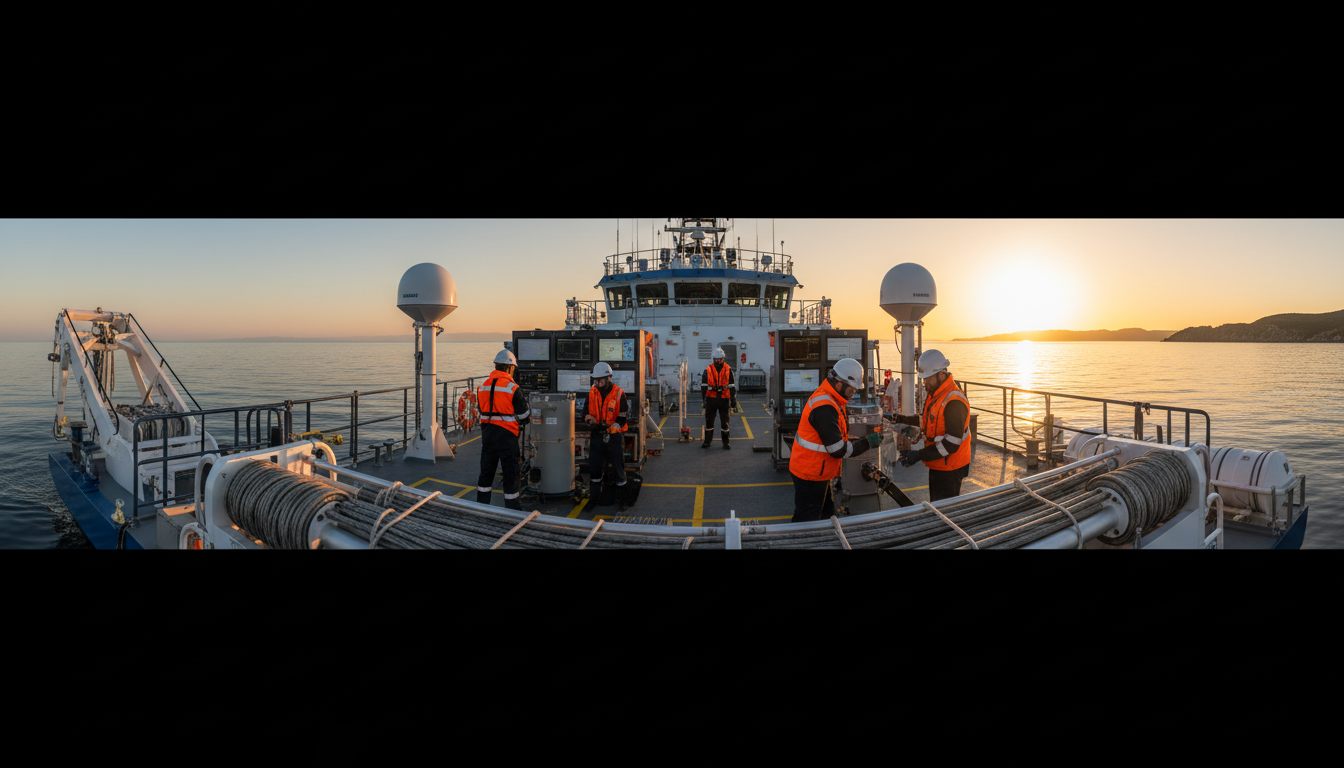
Machine learning aids in reducing the maritime industry's environmental footprint. By optimizing fuel consumption and improving logistics, emissions are significantly reduced. Additionally, machine learning models help in monitoring marine life and environmental conditions, ensuring compliance with environmental regulations.
Challenges and Future Prospects
While the benefits are numerous, there are challenges to overcome. Data privacy, high implementation costs, and the need for skilled personnel are some of the hurdles. However, with continuous advancements and investments, the future of machine learning in Italy’s maritime industry looks promising.
Conclusion
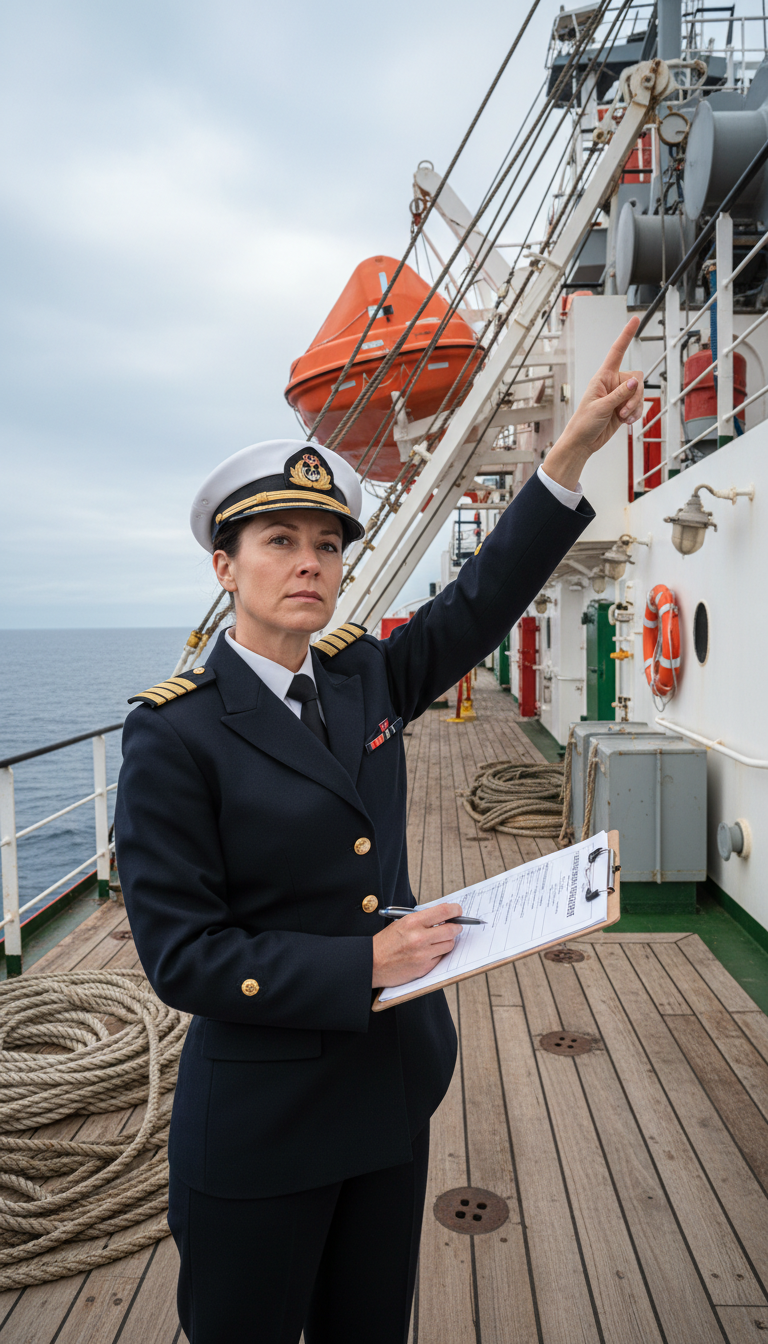
Machine learning is revolutionizing the maritime industry in Italy, bringing about significant improvements in efficiency, safety, and sustainability. As technology continues to evolve, its integration into maritime operations will undoubtedly pave the way for a more innovative and environmentally friendly future.