
How AI/ML is Shaping the Future of Maritime Technology


As the maritime industry navigates the challenges of the 21st century, the integration of artificial intelligence (AI) and machine learning (ML) is proving to be a transformative force. These cutting-edge technologies are enhancing operational efficiency, safety, and sustainability, setting a new course for the future of maritime technology.
Enhancing Operational Efficiency
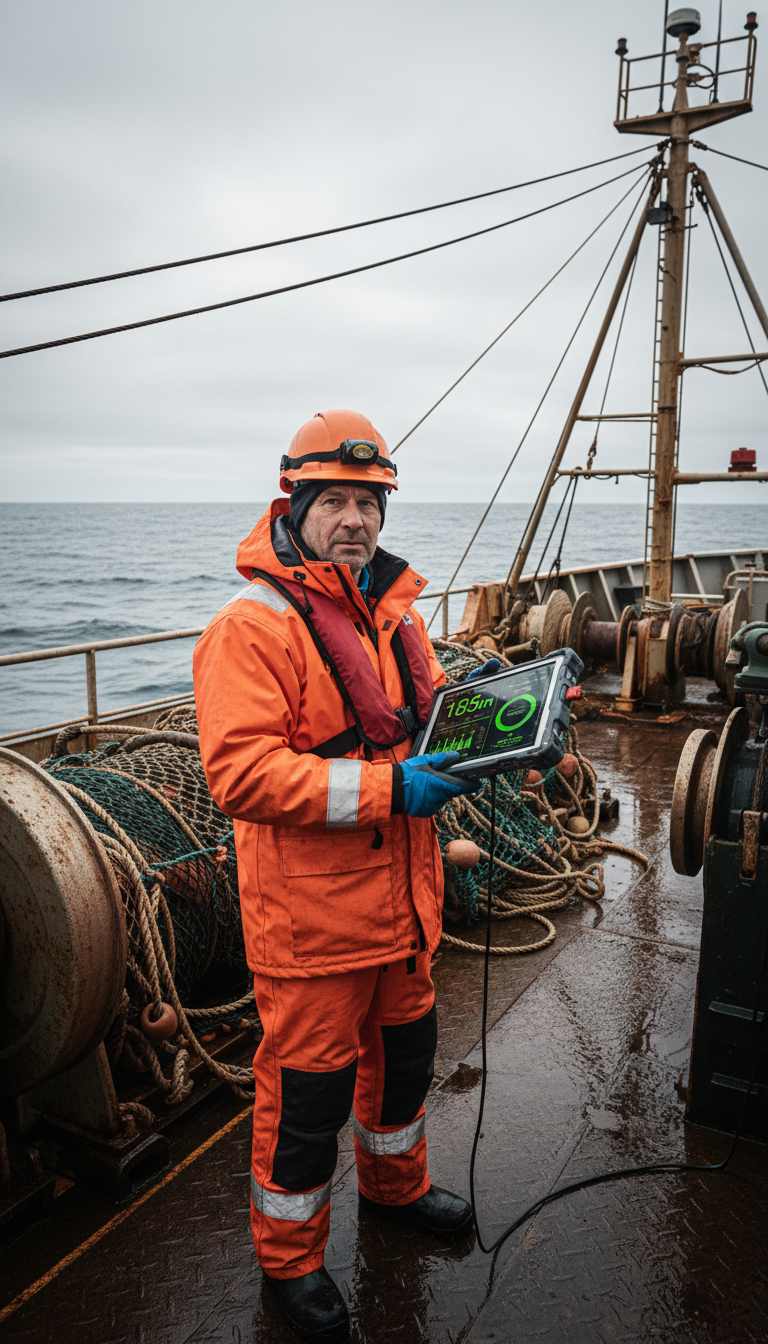
AI and ML are playing crucial roles in optimizing vessel operations. By analyzing vast amounts of data, these technologies can predict the most efficient routes, accounting for weather conditions, sea currents, and fuel consumption. This not only reduces operational costs but also minimizes the environmental impact.
Furthermore, AI-powered systems can automate routine tasks and provide real-time insights, allowing crew members to focus on more complex decision-making processes. This shift is leading to more agile and responsive maritime operations.
Improving Safety Standards
Safety is a top priority in maritime operations, and AI/ML technologies are significantly contributing to safer seas. Predictive maintenance, powered by AI, ensures that equipment failures are anticipated and addressed before they occur, reducing the risk of accidents.
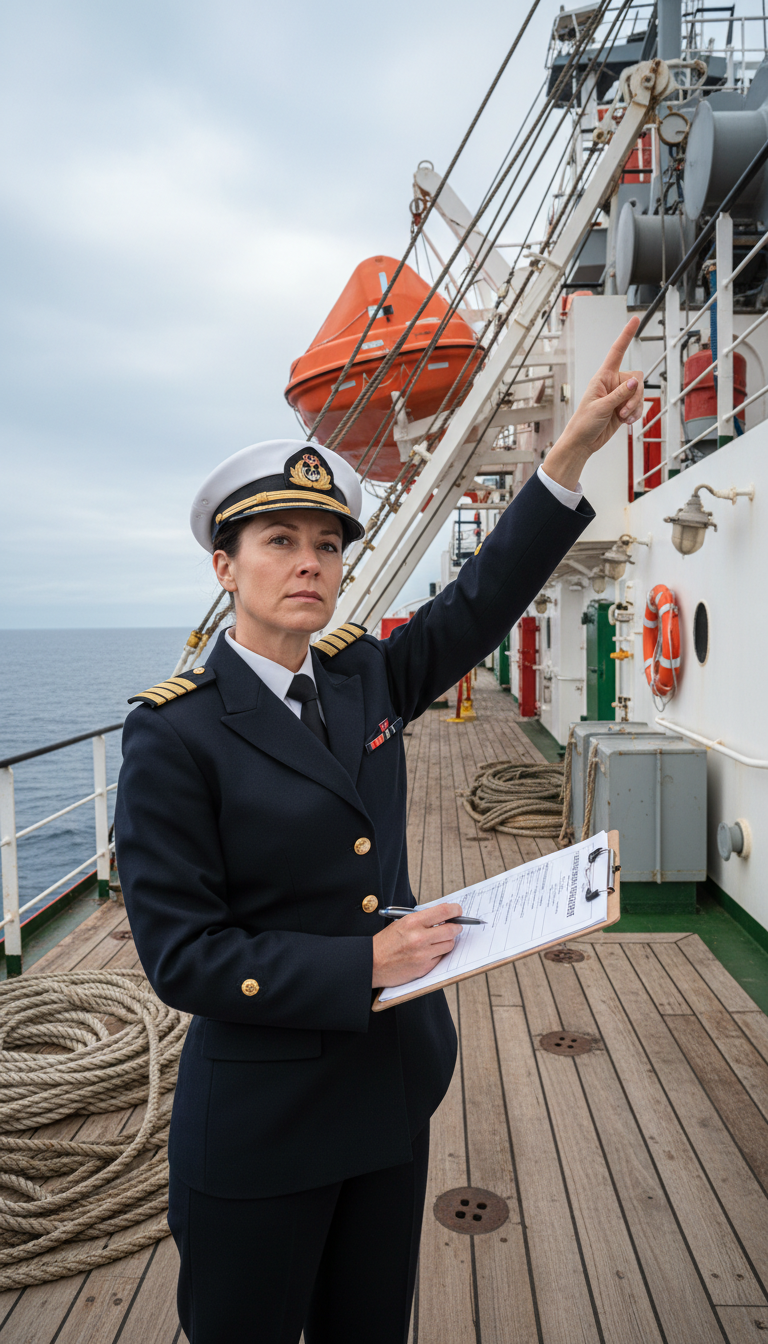
Moreover, advanced machine learning algorithms can detect potential hazards by analyzing data from various sensors onboard, enabling proactive measures to prevent incidents. This technological leap is crucial in protecting both human lives and marine ecosystems.
Boosting Environmental Sustainability
The maritime industry is under increasing pressure to reduce its environmental footprint. AI and ML offer innovative solutions to tackle this challenge. By optimizing fuel usage and improving energy efficiency, these technologies contribute to lowering carbon emissions.
In addition, AI-driven systems can monitor and manage ballast water treatment, reducing the risk of invasive species being introduced to new environments. This aligns with global efforts to preserve marine biodiversity and promote sustainable practices.

Facilitating Autonomous Vessels
The concept of autonomous vessels is becoming a reality thanks to AI and ML. These technologies enable ships to navigate and operate with minimal human intervention, improving efficiency and reducing human error. Autonomous ships are equipped with advanced sensors and AI systems that allow for precise maneuvering and decision-making.
While fully autonomous vessels are still in development, the progress made so far indicates a promising future where shipping is safer, more efficient, and environmentally friendly.
Challenges and Opportunities
Despite the numerous benefits, the integration of AI and ML in maritime technology comes with challenges. Data security, ethical considerations, and the need for regulatory frameworks are critical issues that need to be addressed.
Nevertheless, the opportunities these technologies present far outweigh the challenges. As the industry continues to innovate, AI and ML will be central to shaping a sustainable and efficient maritime future.