
How AI/ML is Revolutionizing Maritime Technology in Italy


Introduction to AI and ML in Maritime Technology
Italy, with its extensive coastline and rich maritime history, is at the forefront of integrating Artificial Intelligence (AI) and Machine Learning (ML) into maritime technology. These advanced technologies are transforming various aspects of the maritime industry, from navigation and safety to environmental sustainability and logistics efficiency.
Enhancing Navigation and Safety
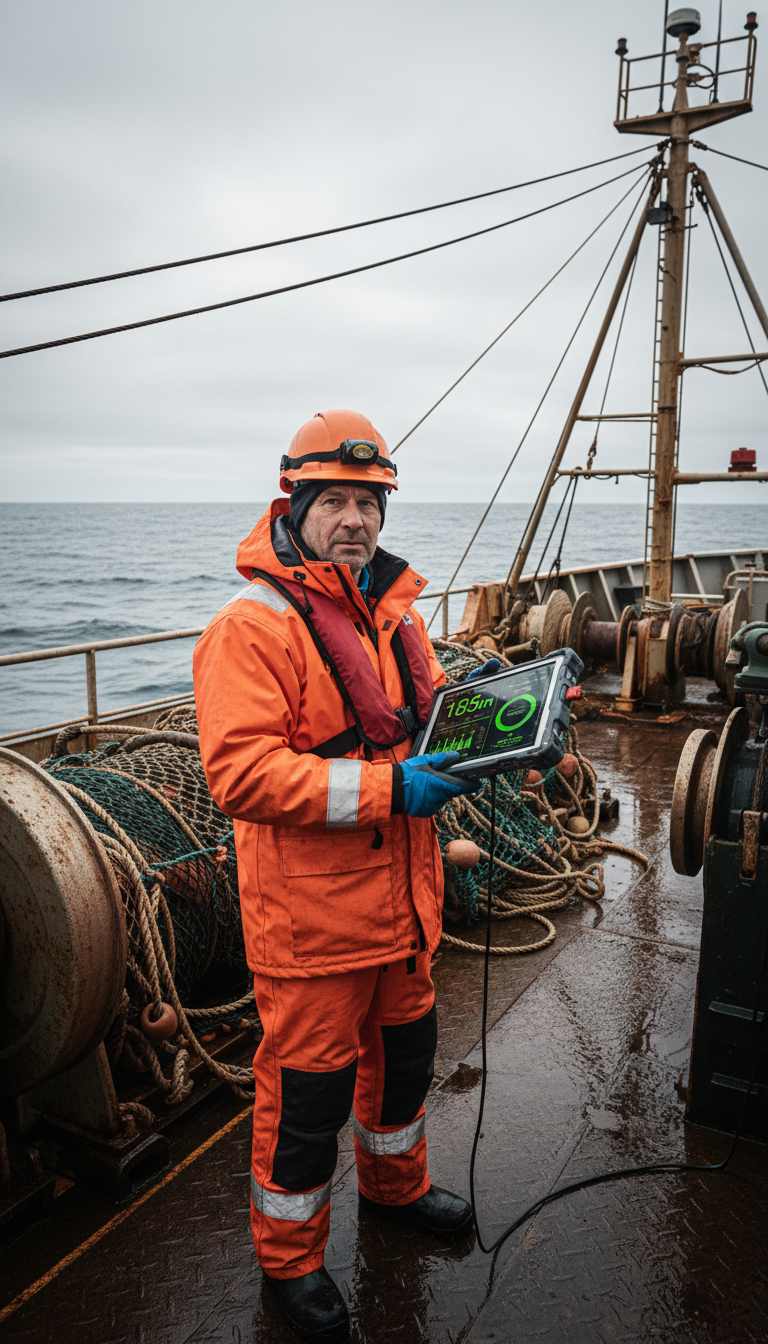
AI and ML are significantly improving navigation systems by providing real-time data analysis and predictive insights. This technology helps in optimizing routes, reducing fuel consumption, and enhancing the safety of vessels. AI-driven systems can analyze weather patterns, ocean currents, and other environmental factors to suggest the safest and most efficient routes. This is particularly beneficial in the complex and busy waters around Italy.
Moreover, AI-powered sensors and monitoring systems are crucial in identifying potential hazards and preventing accidents. By continuously analyzing data from multiple sources, these systems can alert crews to potential dangers, such as other vessels, obstacles, or adverse weather conditions.

Streamlining Port Operations
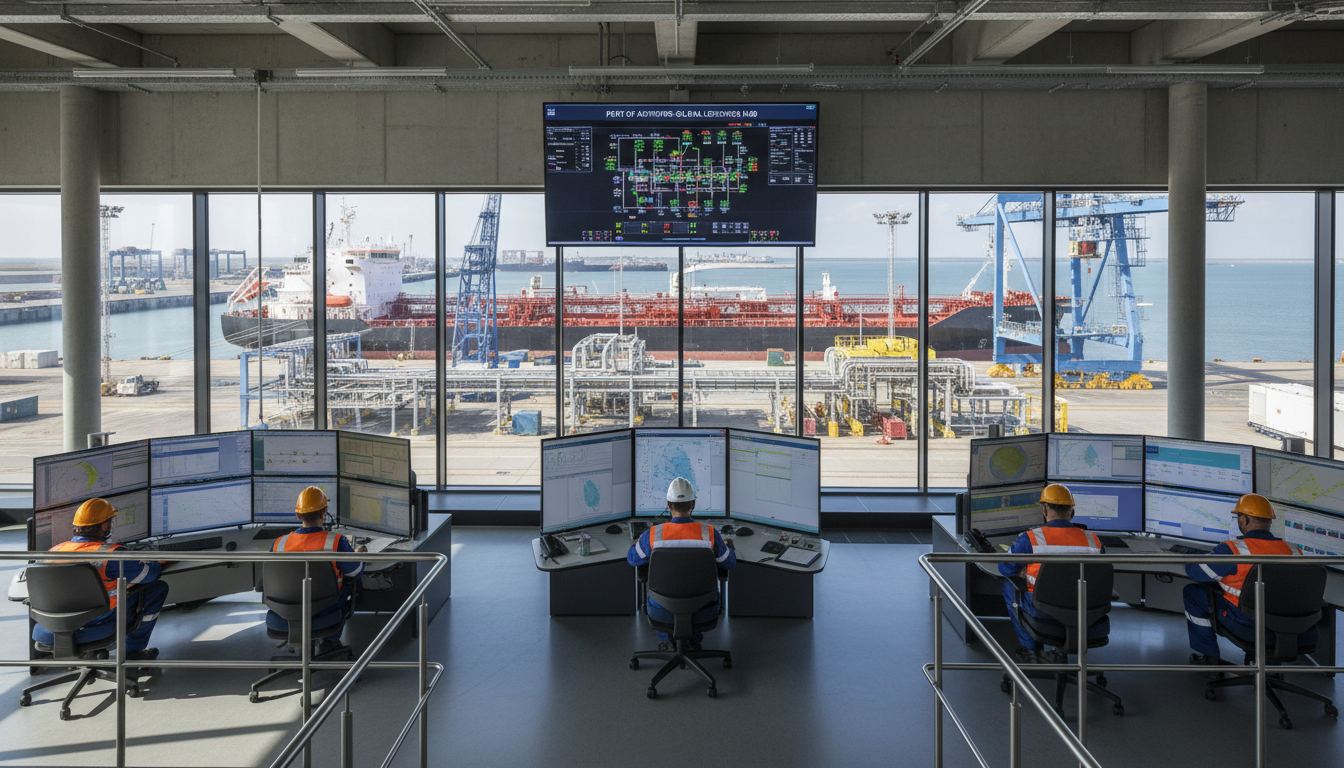
The integration of AI in port operations is revolutionizing how ports in Italy manage logistics. AI algorithms can optimize cargo handling, track shipments, and predict port traffic, reducing congestion and improving turnaround times. These advancements lead to cost savings and increased efficiency, benefiting both port operators and shipping companies.
Additionally, AI-driven automation in port machinery reduces human error and enhances operational efficiency. Automated cranes and vehicles work seamlessly together, guided by AI systems that ensure precise and safe handling of goods.
Environmental Sustainability
Italy is leveraging AI and ML to promote environmental sustainability in the maritime sector. AI-driven systems can monitor and manage emissions from ships, helping to reduce the industry's carbon footprint. By analyzing data on fuel usage and emissions, AI can suggest modifications to improve energy efficiency and comply with environmental regulations.
Furthermore, AI technology is being used to monitor marine ecosystems and protect biodiversity. By analyzing data from sensors and satellite imagery, AI can detect changes in marine environments and assist in conservation efforts.
Future Prospects and Challenges
The future of AI and ML in maritime technology in Italy looks promising, with continuous advancements expected to further enhance efficiency and sustainability. However, the adoption of AI also presents challenges, such as the need for skilled personnel and the integration of new technologies into existing systems.
Collaboration between technology providers, maritime companies, and regulatory bodies is essential to address these challenges and fully harness the potential of AI and ML in the maritime industry.

Conclusion
AI and ML are revolutionizing maritime technology in Italy, driving innovations in navigation, port operations, and environmental sustainability. As these technologies continue to evolve, they promise to further enhance the efficiency and safety of the maritime industry, positioning Italy as a leader in maritime innovation.