
How AI is Transforming Maritime Industries in Italy


Introduction
The maritime industry is a cornerstone of Italy’s economy, with its extensive coastline and rich history of seafaring. Recent advancements in technology, particularly in Artificial Intelligence (AI), are revolutionizing this sector. From optimizing shipping routes to enhancing safety protocols, AI is paving the way for a more efficient and sustainable maritime industry.

Optimizing Shipping Routes
One of the most significant ways AI is transforming the maritime industry in Italy is through the optimization of shipping routes. Traditionally, route planning relied heavily on human experience and historical data. Now, AI algorithms can analyze vast amounts of real-time data, such as weather conditions and ocean currents, to plot the most efficient paths.
This optimization not only reduces fuel consumption and costs but also minimizes the environmental impact of shipping activities. By choosing more efficient routes, ships can significantly cut down on emissions, aligning with global efforts to combat climate change.
AI in Predictive Maintenance
Another area where AI is making waves is in predictive maintenance. Italian shipping companies are adopting AI-driven solutions to monitor the health of their fleets. Sensors installed on ships collect data on various parameters such as engine performance and hull integrity. This data is then analyzed to predict potential failures before they occur, reducing downtime and maintenance costs.

Enhancing Maritime Safety
Safety is paramount in the maritime industry, and AI technologies are playing a crucial role in enhancing safety measures. Advanced AI systems can detect and analyze potential hazards, such as other vessels, floating debris, or adverse weather conditions, allowing for swift and informed decision-making.
AI-powered systems also assist in search and rescue operations by identifying patterns and predicting the drift of people or objects in the water. This capability significantly increases the chances of successful rescue missions.
Improving Port Operations
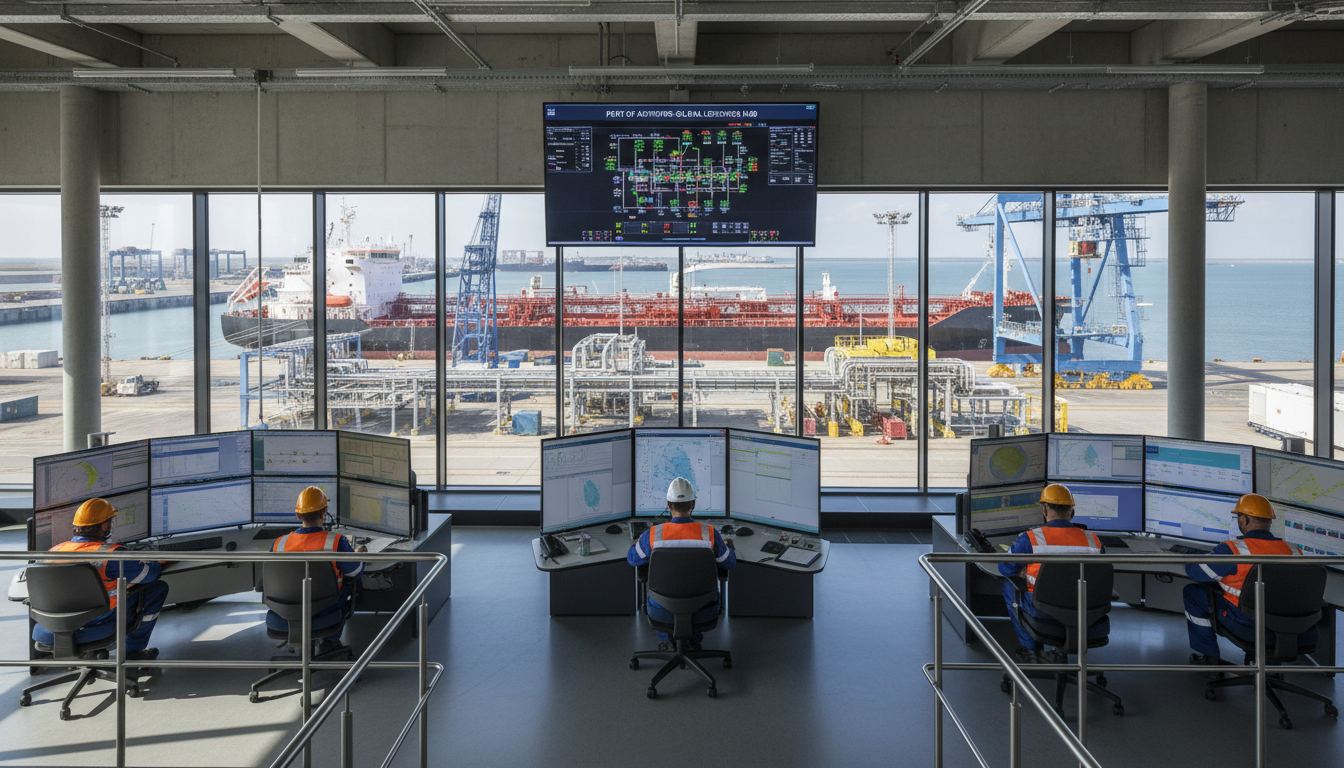
Italian ports are also benefiting from AI advancements. AI technologies streamline operations by automating tasks such as cargo handling and inventory management. These systems improve efficiency and reduce human error, leading to quicker turnaround times and enhanced productivity.
Fostering Sustainable Practices
As environmental concerns continue to rise, the maritime industry in Italy is leveraging AI to foster sustainable practices. AI systems help in monitoring emissions and ensuring compliance with environmental regulations. By providing detailed insights into fuel consumption and emissions, AI enables companies to adopt greener practices.
Furthermore, AI-driven solutions support the development of alternative energy sources, such as wind and solar, to power ships, contributing to a sustainable future for the maritime industry.
The Future of AI in Maritime Industries
The integration of AI in Italy's maritime industries is still evolving, with numerous possibilities on the horizon. From autonomous vessels to advanced logistics solutions, the potential for AI to further revolutionize this sector is immense. As technology continues to advance, the maritime industry in Italy must remain adaptable, embracing innovations that offer competitive advantages and sustainable growth.

In conclusion, AI is transforming the maritime industries in Italy by optimizing operations, enhancing safety, and promoting sustainability. As these technologies continue to develop, they promise to unlock new potentials and reshape the future of maritime activities in Italy and beyond.