
How AI is Revolutionizing Maritime Safety in Italy


Introduction to AI in Maritime Safety
The maritime industry is undergoing a significant transformation, thanks to the integration of Artificial Intelligence (AI). In Italy, a country with a rich maritime history, AI is playing a crucial role in enhancing safety measures and operational efficiency. From navigation to risk management, AI technologies are being deployed to ensure safer and more secure maritime operations.

AI-Powered Navigation Systems
One of the most significant advancements brought by AI in maritime safety is the development of AI-powered navigation systems. These systems use real-time data to optimize routes, predict weather conditions, and avoid potential hazards. By analyzing vast amounts of data, AI can provide precise guidance, reducing the risk of accidents and ensuring smoother sailing.
For example, AI algorithms can process satellite data to predict weather changes and alert ships in advance, allowing them to take preventive measures. This capability is particularly beneficial in the Mediterranean Sea, where sudden weather changes can pose significant risks.
Enhancing Vessel Traffic Management
AI is also revolutionizing vessel traffic management by providing more accurate tracking and monitoring of ships. In busy ports like Genoa and Naples, AI systems help manage the flow of vessels, reducing congestion and minimizing the risk of collisions. These systems can analyze patterns and predict vessel movements, ensuring a more organized and efficient traffic flow.
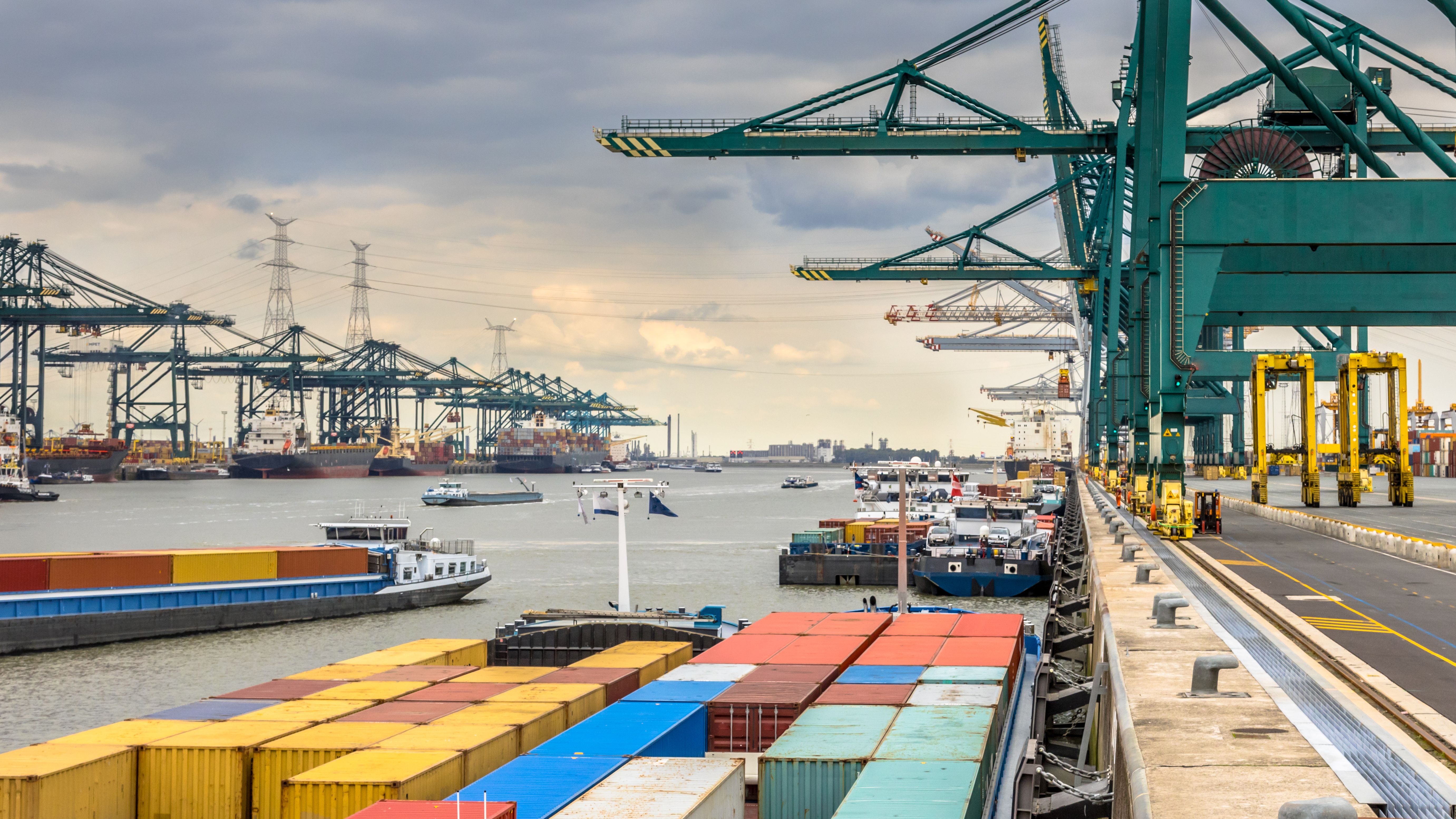
Additionally, AI can assist in identifying unauthorized or suspicious activities, enhancing the security of Italian waters. By integrating AI with existing surveillance systems, authorities can respond more swiftly to potential threats.
Improving Emergency Response
In the event of an emergency, AI technologies can significantly improve response times and effectiveness. AI systems can quickly analyze incoming data and provide actionable insights to rescue teams. This capability is crucial in life-threatening situations, such as search and rescue operations or environmental disasters.
Moreover, AI can facilitate communication between different rescue units, ensuring a coordinated and efficient response. This technology is proving invaluable in Italy, where quick and effective action is essential due to the country's extensive coastline.

Predictive Maintenance and Operational Efficiency
Another area where AI is making a significant impact is in predictive maintenance. AI algorithms can analyze data from ship sensors to predict equipment failures before they occur. This proactive approach not only enhances safety but also reduces downtime and maintenance costs.
By optimizing maintenance schedules and procedures, AI helps in maintaining the operational efficiency of maritime vessels. This advancement is particularly beneficial for Italy's commercial shipping industry, where efficiency and reliability are paramount.
Challenges and Future Prospects
While AI offers numerous benefits, there are challenges to its widespread adoption. Issues such as data privacy, cybersecurity, and the need for skilled personnel must be addressed to fully harness AI's potential. However, the future looks promising, with ongoing research and development aimed at overcoming these hurdles.
As AI continues to evolve, its role in maritime safety will undoubtedly expand, offering even more sophisticated solutions to ensure the safety and security of Italy's maritime operations.