
How AI is Revolutionizing Maritime Safety


Enhancing Navigation and Vessel Tracking
Artificial Intelligence (AI) is transforming maritime safety by significantly enhancing navigation and vessel tracking. Through the integration of AI-driven systems, ships can now navigate more efficiently, avoiding potential hazards like harsh weather conditions and congested sea routes. These systems utilize real-time data to optimize routes, ensuring a safer journey.
AI-powered predictive analytics are also being deployed to forecast potential risks, allowing for proactive measures to be taken before any incidents occur. This not only ensures the safety of the crew and cargo but also helps in reducing operational costs.

Real-Time Monitoring and Decision Making
AI's ability to process vast amounts of data in real-time is revolutionizing decision-making processes on board. By continuously monitoring environmental conditions, vessel performance, and crew activities, AI systems can provide critical insights and recommendations. This allows for timely interventions that can prevent accidents and improve safety standards.
Furthermore, AI systems are capable of identifying anomalies and alerting the crew to potential issues before they escalate, ensuring that corrective actions can be taken swiftly and effectively.
Detecting and Preventing Collisions
Collision avoidance is a major concern in maritime operations. AI technologies, such as machine learning algorithms and computer vision, are being used to detect nearby vessels and obstacles, providing alerts and suggesting evasive maneuvers. This proactive approach significantly reduces the risk of collisions at sea.
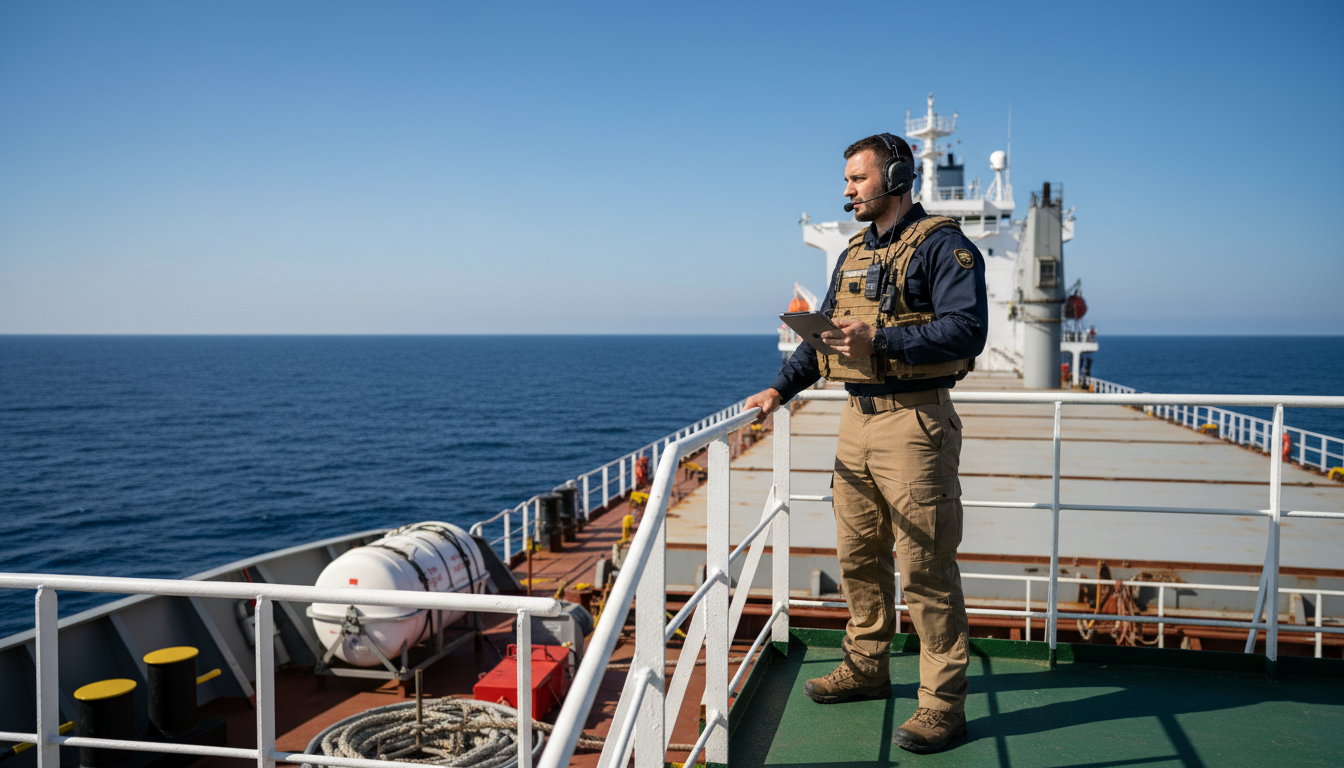
In addition to preventing collisions, AI systems are also instrumental in managing traffic in busy ports and shipping lanes. By analyzing real-time data, these systems can optimize traffic flow, reducing congestion and enhancing safety.
Enhancing Crew Safety and Training
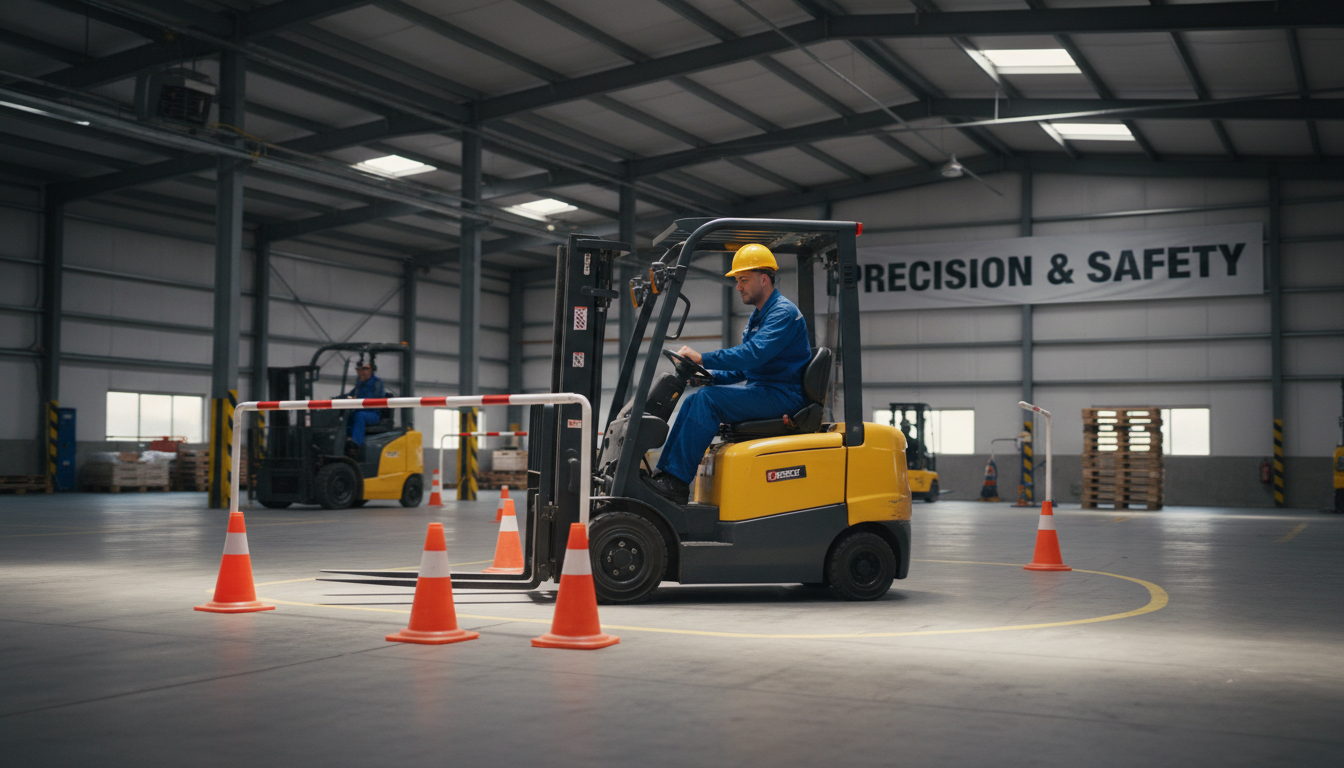
AI is not only improving vessel operations but is also enhancing crew safety and training. Advanced simulation tools powered by AI provide realistic training environments, allowing crew members to practice emergency procedures and hone their skills. This hands-on experience is crucial in preparing them for real-life scenarios.
Moreover, AI-driven wearables and monitoring devices are being used to track the health and well-being of crew members, ensuring that they are fit for duty and alert to potential safety hazards.
Improving Search and Rescue Operations
In the unfortunate event of an emergency, AI is playing a pivotal role in search and rescue operations. By analyzing data from various sources, AI systems can quickly identify the location of distressed vessels and deploy rescue efforts more efficiently. Drones and autonomous vehicles equipped with AI are also being used to reach areas that are difficult for humans to access.
These advancements in search and rescue operations are not only saving lives but are also minimizing the time and resources required to conduct successful missions.
Future Prospects and Innovations
As AI technology continues to evolve, its applications in maritime safety are expected to expand further. Innovations such as autonomous ships and advanced communication systems are on the horizon, promising even greater safety and efficiency in maritime operations.
The maritime industry is embracing these changes, recognizing the immense potential of AI to revolutionize safety protocols and set new standards for the future. By continuing to invest in AI, the industry is paving the way for a safer and more sustainable maritime environment.