
Harnessing AI/ML for Data-Driven Solutions in Maritime Technology


Introduction to AI and ML in Maritime Technology
The maritime industry is undergoing a significant transformation, driven by the integration of Artificial Intelligence (AI) and Machine Learning (ML). These technologies are reshaping how data is utilized to create efficient, safer, and more sustainable maritime operations. By leveraging AI and ML, maritime companies can enhance decision-making processes and optimize resource management.
Optimizing Fleet Management
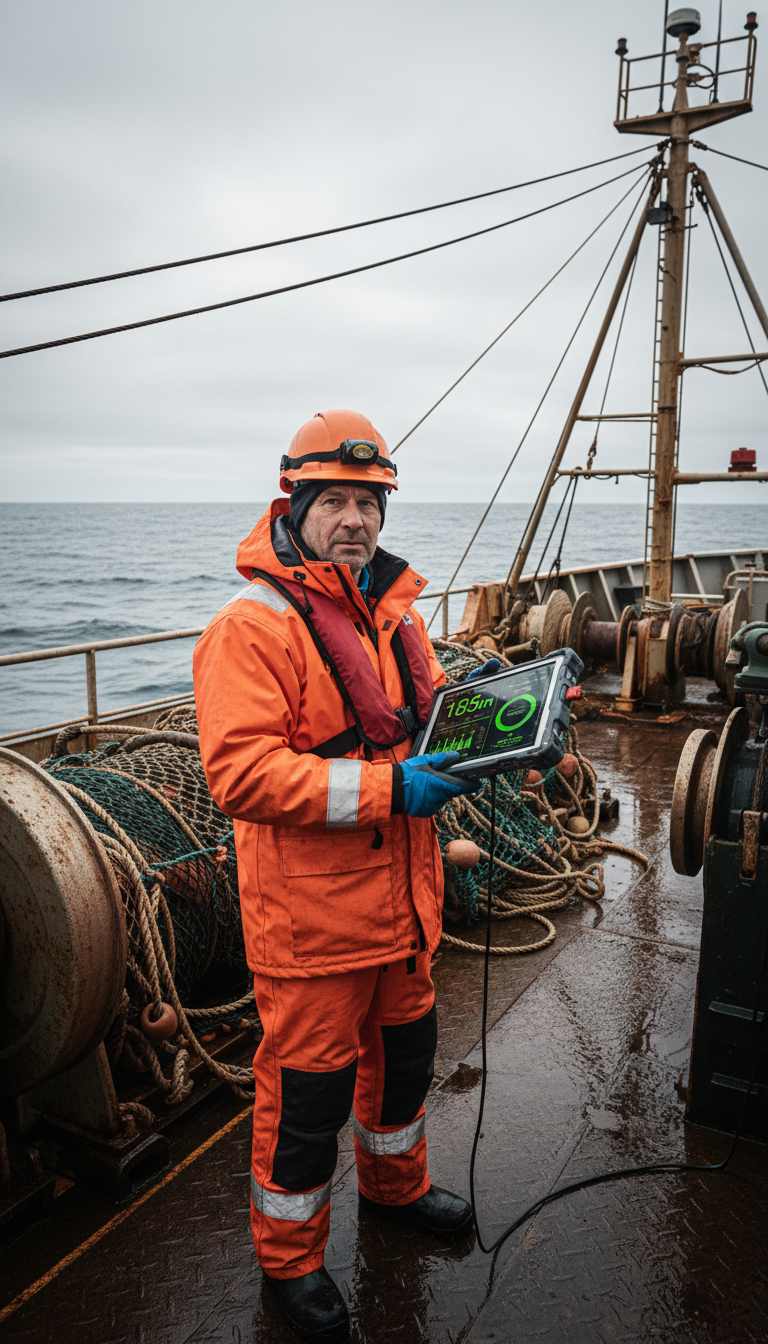
Fleet management is one of the key areas where AI and ML are making a substantial impact. These technologies enable predictive maintenance by analyzing data from sensors and historical performance. This proactive approach helps in reducing downtime and maintenance costs.
Moreover, AI-powered analytics can optimize routing and fuel consumption by taking into account weather conditions, sea currents, and other variables. This not only lowers operational costs but also minimizes environmental impact.
Case Study: Predictive Maintenance
Several shipping companies have adopted AI-driven predictive maintenance solutions, resulting in a significant reduction in unexpected breakdowns. By analyzing patterns, these systems predict potential failures and schedule timely maintenance. This approach ensures continuous operation and enhances the longevity of assets.

Enhancing Safety and Compliance
Safety is paramount in maritime operations, and AI/ML technologies are pivotal in enhancing safety protocols. Advanced algorithms can detect anomalies in real-time, allowing for quick responses to potential hazards. AI systems also assist in monitoring compliance with international regulations, ensuring that vessels meet safety and environmental standards.
The Role of AI in Navigation
AI-driven navigation systems improve situational awareness and decision-making on the bridge. From obstacle detection to route optimization, these systems provide real-time insights that enhance the safety of maritime operations. The integration of AI in navigation reduces the risk of human error, which is a leading cause of maritime accidents.
Data-Driven Decision Making
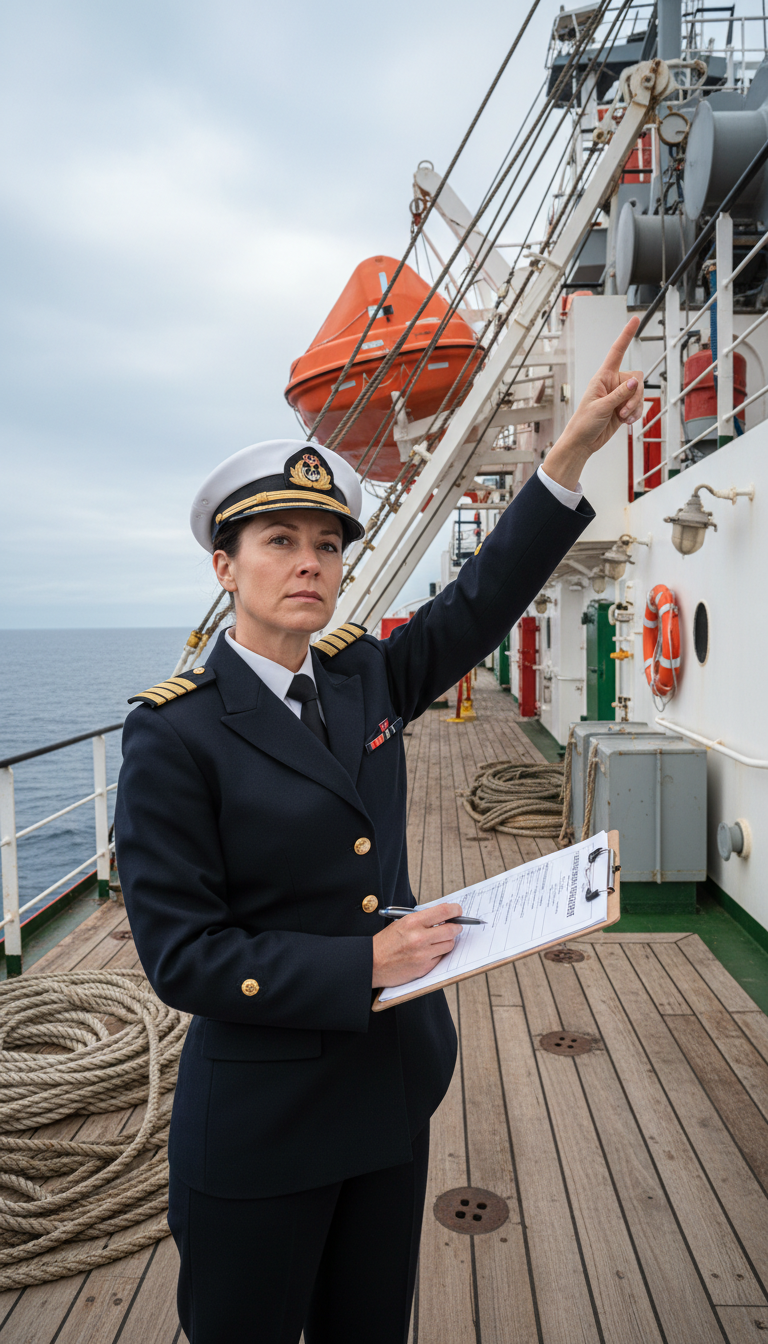
AI and ML facilitate data-driven decision-making by processing vast amounts of data quickly and accurately. This capability enables maritime companies to adapt to changing conditions and make informed strategic decisions. From logistics to crew management, AI-driven insights are invaluable in enhancing operational efficiency.
Additionally, data-driven solutions support sustainable practices by identifying opportunities for reducing emissions and optimizing resource usage. The maritime industry can thus align with global sustainability goals while maintaining profitability.
Conclusion: The Future of Maritime Technology
The integration of AI and ML in maritime technology represents a paradigm shift toward smarter and more efficient operations. As these technologies continue to evolve, they will unlock new opportunities for innovation and growth in the industry. Embracing AI and ML not only enhances competitiveness but also ensures a sustainable future for maritime activities.