
From Digging to Data: Transitioning from Archeology to an AI/ML Career


Unearthing New Opportunities
The world of archaeology is rich with history and discovery, offering insights into ancient civilizations. However, for many in the field, the allure of technology and the growth of Artificial Intelligence (AI) and Machine Learning (ML) present exciting new career paths. Transitioning from archaeology to AI/ML might seem daunting, but the skills and methodologies archaeologists possess can be surprisingly relevant.
Archaeologists are adept at pattern recognition, data analysis, and hypothesis testing—skills that are highly valued in AI and ML careers. The meticulous nature of archaeological research translates well into the structured world of data science.
From Fieldwork to Frameworks
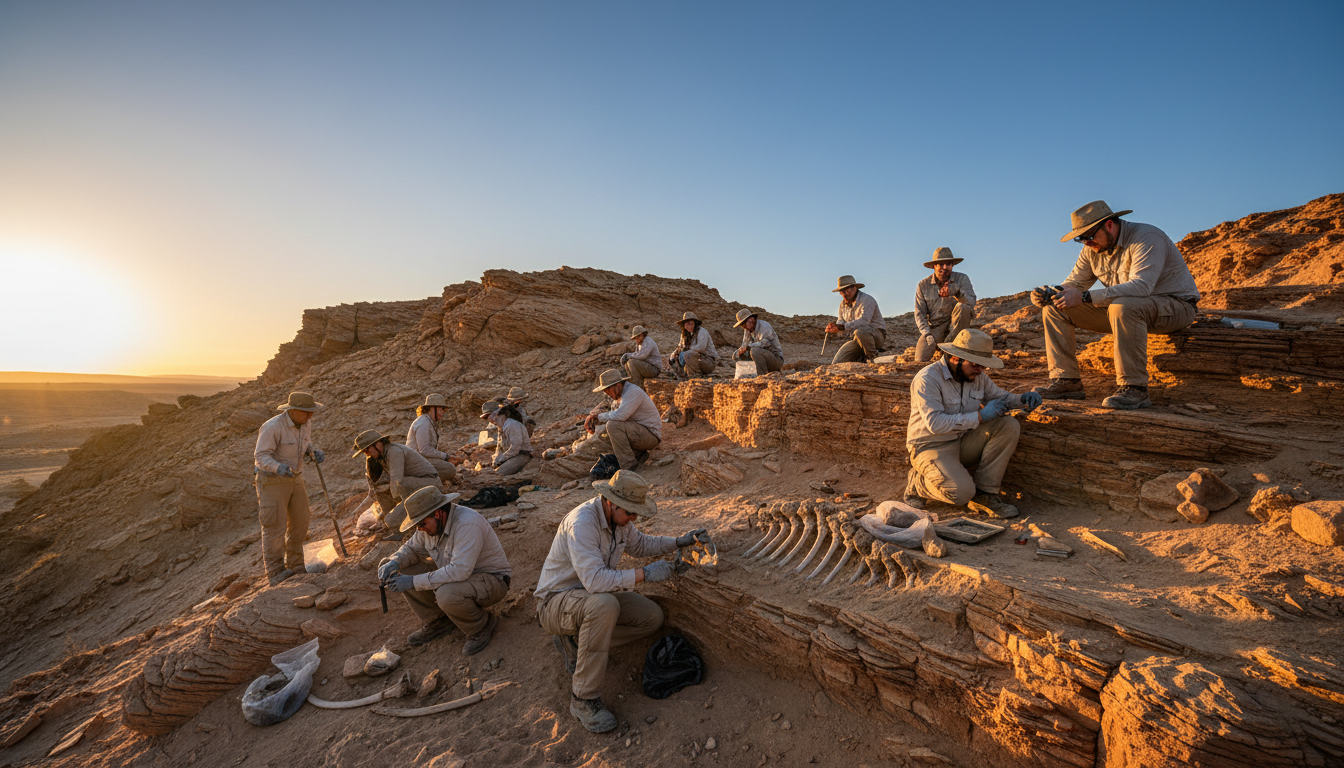
In archaeology, professionals spend countless hours in the field collecting artifacts and data. This meticulous approach is mirrored in data science, where gathering and cleaning data is a fundamental step. Both fields require a keen eye for detail and the ability to identify meaningful patterns.
When transitioning, it's crucial to leverage this experience. Understanding how to manage and interpret large datasets in archaeology can be directly applied to building and refining machine learning models.

Transferring Analytical Skills
Archaeologists are trained to analyze complex layers of information. This skill is directly applicable to AI, where interpreting data and developing insights is key. Learning programming languages like Python and R, which are essential for data manipulation, can bridge the gap between archaeology and AI.
Building a New Toolkit
Adapting to AI/ML requires learning new tools and technologies. Fortunately, many resources are available online, from courses on platforms like Coursera and Udacity to free resources like Kaggle and GitHub. These platforms offer tutorials and projects to build practical skills.
Archaeologists transitioning to AI should focus on gaining proficiency in data science tools such as TensorFlow, PyTorch, and data visualization software. These skills will enhance their ability to develop and deploy machine learning models.

Networking and Community Engagement
Joining AI and data science communities can be invaluable. Networking with professionals in the field and engaging in forums can provide insights, support, and potential job opportunities. Participating in hackathons and collaborative projects can also boost one’s portfolio and experience.
Leveraging Unique Perspectives
Archaeologists offer unique perspectives to AI projects, especially those requiring cultural insights or historical data analysis. Their ability to approach problems with a historical context can offer innovative solutions and enrich AI applications.
Employers in tech are increasingly valuing diverse backgrounds, and archaeologists can play a crucial role in interdisciplinary teams working on complex AI challenges.

The Journey Forward
Transitioning from archaeology to AI/ML is not just about acquiring new skills but also about applying existing knowledge in novel ways. The journey requires dedication, continuous learning, and a willingness to step outside of one's comfort zone.
For archaeologists ready to embark on this path, the fusion of historical insight and technological innovation promises a rewarding and impactful career.