
From Dig Sites to Data Sets: My Journey from Archeology to AI


Unearthing the Past: My Early Days in Archeology
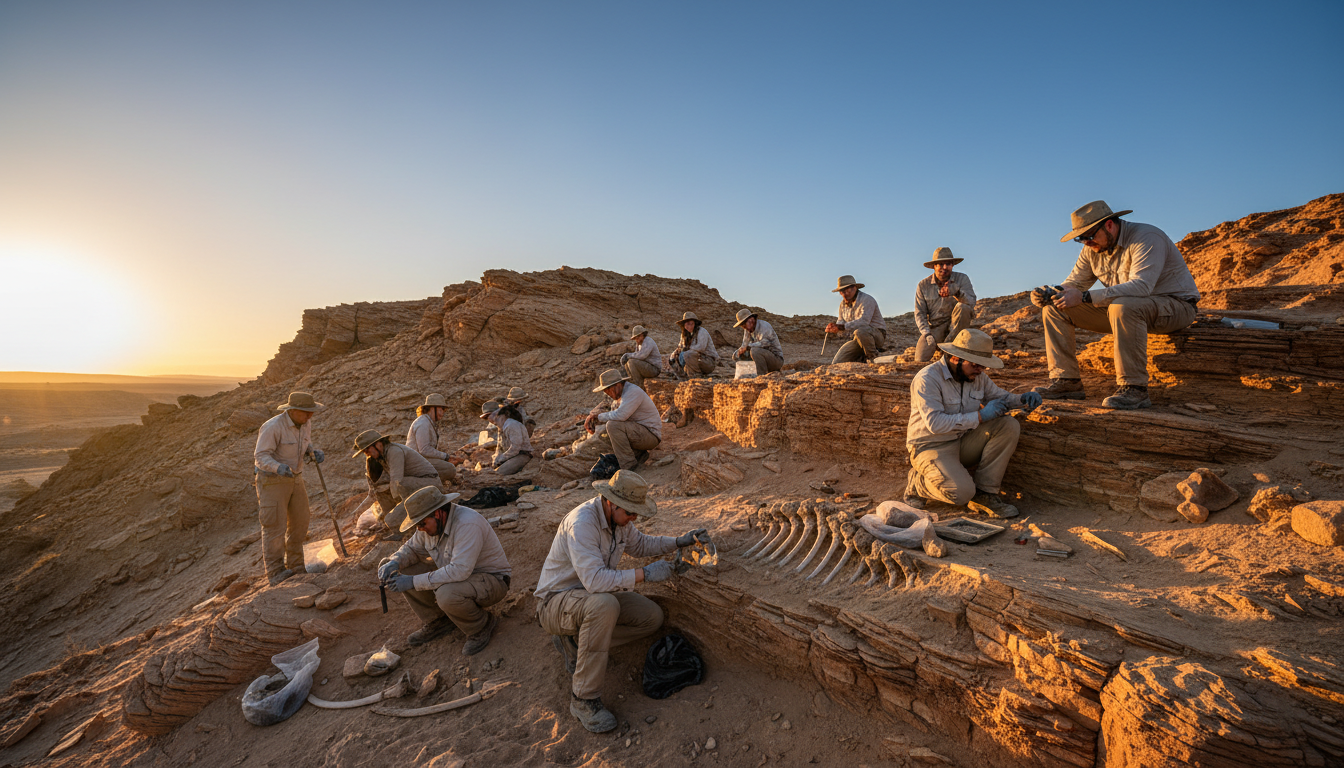
My journey began in the dusty trenches of archeological dig sites. As a budding archeologist, I was captivated by the stories hidden beneath layers of earth. Each artifact, from ancient pottery to weathered bones, held a tale waiting to be discovered. The thrill of uncovering history fueled my passion for piecing together the past.
Archeology taught me the value of patience and meticulous attention to detail. The careful excavation of sites required precision and a deep understanding of historical context. This foundation laid the groundwork for my future endeavors, though I never imagined how dramatically my career path would evolve.
The Intersection of History and Technology
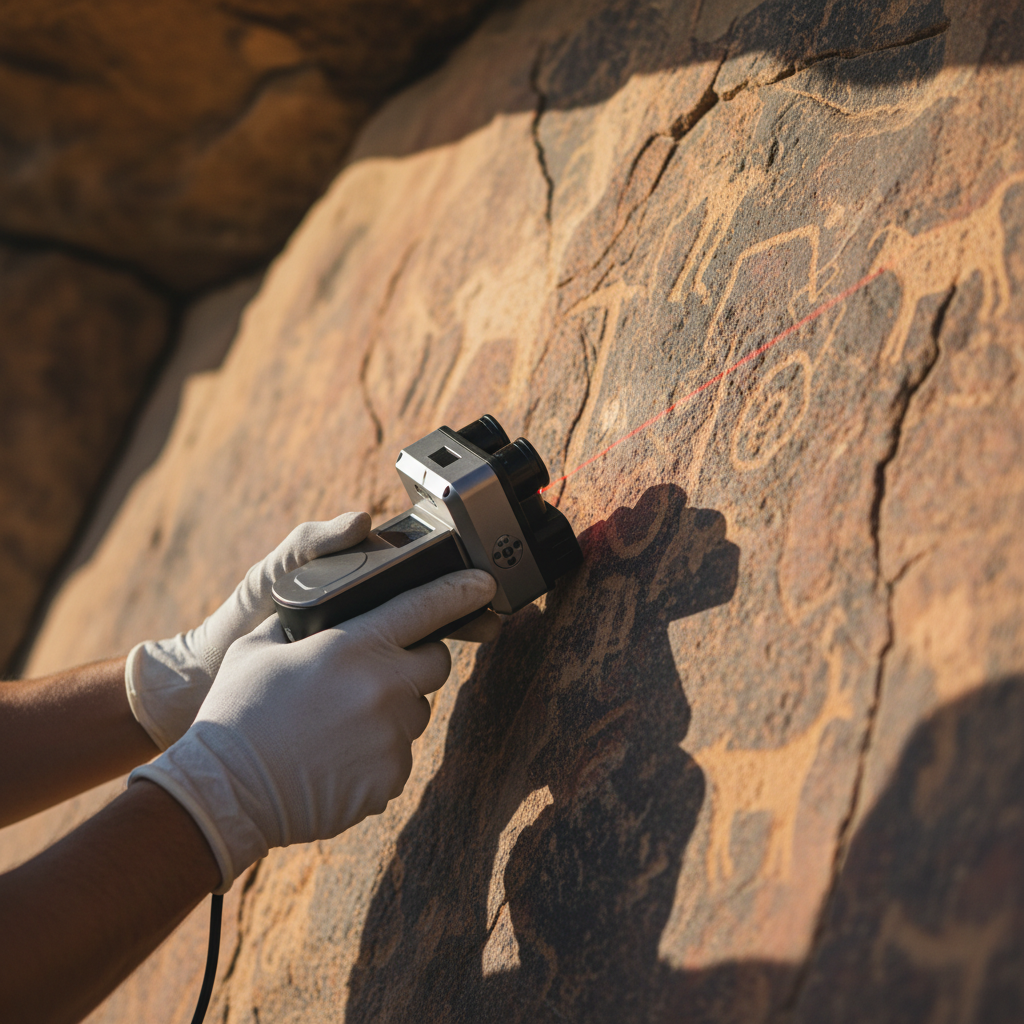
As technology advanced, I found myself drawn to the innovative tools that were transforming archeology. Geographic Information Systems (GIS) and 3D modeling became integral to modern archeological research. My fascination with these technologies sparked a curiosity about other fields where data and technology intersect.
The leap from archeology to artificial intelligence (AI) might seem vast, but both disciplines share a common thread: the pursuit of knowledge and understanding through evidence. While archeology deciphers the stories of the past, AI predicts and shapes the stories of the future.
Transitioning to AI: Embracing the Unknown
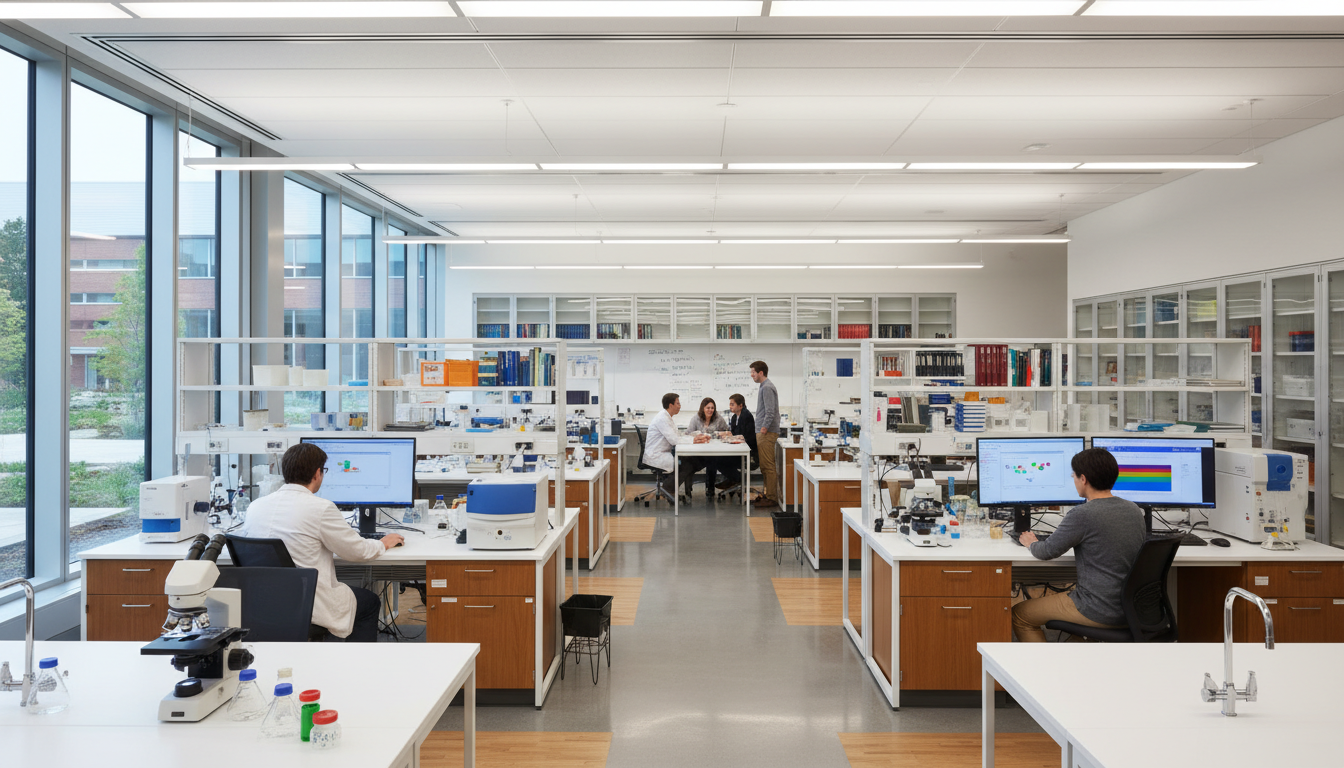
Transitioning from archeology to AI was a bold step into the unknown. I immersed myself in learning about machine learning, data analysis, and neural networks. The terminology and concepts were initially daunting, but the challenge invigorated me. I was eager to apply my analytical skills in new and exciting ways.
During this transition, I realized the importance of adaptability and continuous learning. Just as archeology required me to stay updated with new techniques, AI demanded a commitment to understanding cutting-edge developments and trends.

Finding Parallels: From Artifacts to Algorithms
In both archeology and AI, data is king. The meticulous analysis of artifacts parallels the data-driven methodologies of AI. Whether deciphering ancient scripts or training machine learning models, the goal remains the same: to extract meaningful insights from complex datasets.
My background in archeology provided a unique perspective in AI. The problem-solving skills and critical thinking developed in archeology proved invaluable in interpreting data and creating innovative AI solutions.
Building a Bridge: The Role of AI in Modern Research
AI is revolutionizing research across disciplines, including archeology. Automated data processing, predictive analytics, and virtual simulations are changing how we explore historical sites and artifacts. AI enhances our ability to reconstruct and preserve the past with unprecedented accuracy.
As I continue my journey in AI, I remain inspired by the potential to bridge the gap between history and technology. My story is a testament to the transformative power of interdisciplinary exploration and the endless possibilities that arise when diverse fields converge.
Reflections and Future Directions
Looking back, my journey from dig sites to data sets has been both challenging and rewarding. The skills and experiences gained in archeology have enriched my work in AI, allowing me to approach problems with a unique lens. I am excited to see where this path leads as AI continues to evolve.
For those considering a career shift, my advice is simple: embrace change and remain curious. The world is full of opportunities to learn and grow, and sometimes the most unexpected paths lead to the most fulfilling destinations.