
From Archaeology to AI: Navigating a Unique Career Path


Introduction to a Unique Journey
Throughout history, career paths have often been linear, following a predictable trajectory. However, the modern professional landscape offers diverse opportunities to forge unique paths that blend seemingly unrelated fields. One such intriguing journey is transitioning from archaeology to artificial intelligence (AI), a path that combines the study of ancient civilizations with cutting-edge technology.
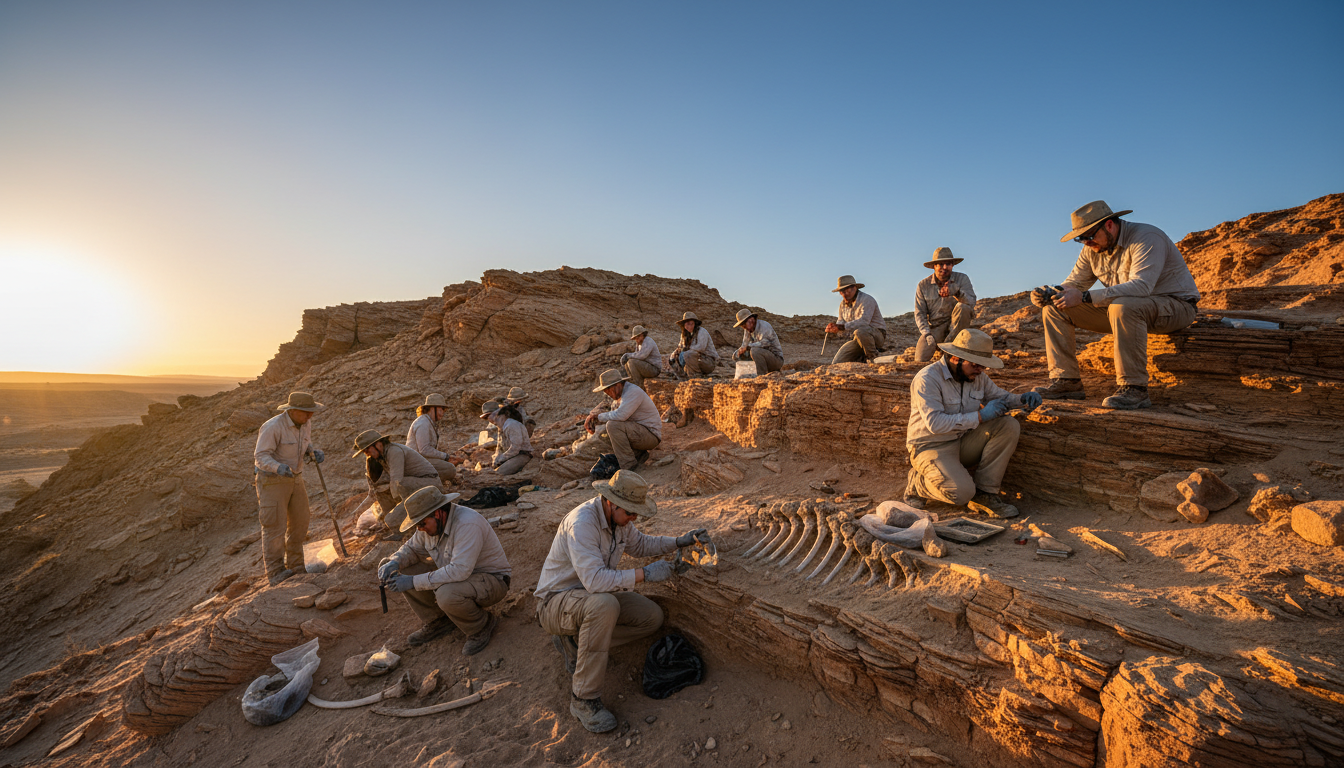
From Unearthing Artifacts to Unveiling Algorithms
Archaeology and AI may seem worlds apart, yet they share a common thread: the quest for discovery. Archaeologists meticulously unearth artifacts to piece together humanity’s past, while AI professionals develop algorithms to shape our future. The skills acquired in archaeology, such as research, attention to detail, and analytical thinking, are invaluable in the realm of AI.
Skills Transferable from Archaeology to AI
Transitioning from archaeology to AI involves leveraging several key skills:
- Analytical Skills: Both fields require the ability to analyze complex data.
- Problem-Solving: Archaeologists solve historical puzzles, similar to how AI experts address technological challenges.
- Data Interpretation: Understanding patterns in archaeological finds parallels interpreting data sets in AI.

Building a Foundation in AI
For archaeologists interested in AI, building a strong foundation in technology is crucial. This involves gaining proficiency in programming languages such as Python and R, as well as understanding machine learning concepts. Many universities and online platforms offer courses tailored to beginners, providing a structured approach to learning.
Educational Pathways
Consider enrolling in specialized AI programs that offer hands-on experience with data analysis, algorithm development, and neural networks. These programs often include practical projects that encourage innovative thinking, allowing former archaeologists to apply their unique perspectives to AI challenges.

The Intersection of Past and Future
By blending archaeology with AI, professionals can explore new dimensions of both fields. For instance, AI can be used to create virtual reconstructions of archaeological sites, offering interactive experiences that bring history to life. Conversely, archaeological methods can inspire novel approaches to data analysis and interpretation in AI research.
Collaboration Opportunities
Collaborating with historians, technologists, and other experts can lead to groundbreaking projects that bridge the gap between the ancient and modern worlds. These interdisciplinary collaborations have the potential to yield innovative insights and applications.

Conclusion
Navigating the career path from archaeology to AI is a testament to the versatility of human skill and curiosity. It demonstrates how traditional expertise can be transformed to address contemporary challenges, enriching both fields in the process. As technology continues to evolve, such unique career journeys will not only become more common but also more essential in shaping our understanding of the past and our vision for the future.