
Exploring the Journey: From Archaeology to AI/ML


The Intersection of Past and Future
Humanity's quest to understand its origins has driven both the fields of archaeology and artificial intelligence/machine learning (AI/ML). While these disciplines may seem worlds apart, they share a common goal: unraveling mysteries and enhancing our understanding of the world. From the excavation of ancient artifacts to the development of intelligent algorithms, the journey is a fascinating one.
Archaeology offers us a window into the past, helping us piece together the lives of our ancestors through the remnants they left behind. In contrast, AI/ML propels us into the future, enabling machines to simulate human intelligence and perform complex tasks. Both fields rely heavily on data, analysis, and interpretation.
Understanding Archaeological Discoveries
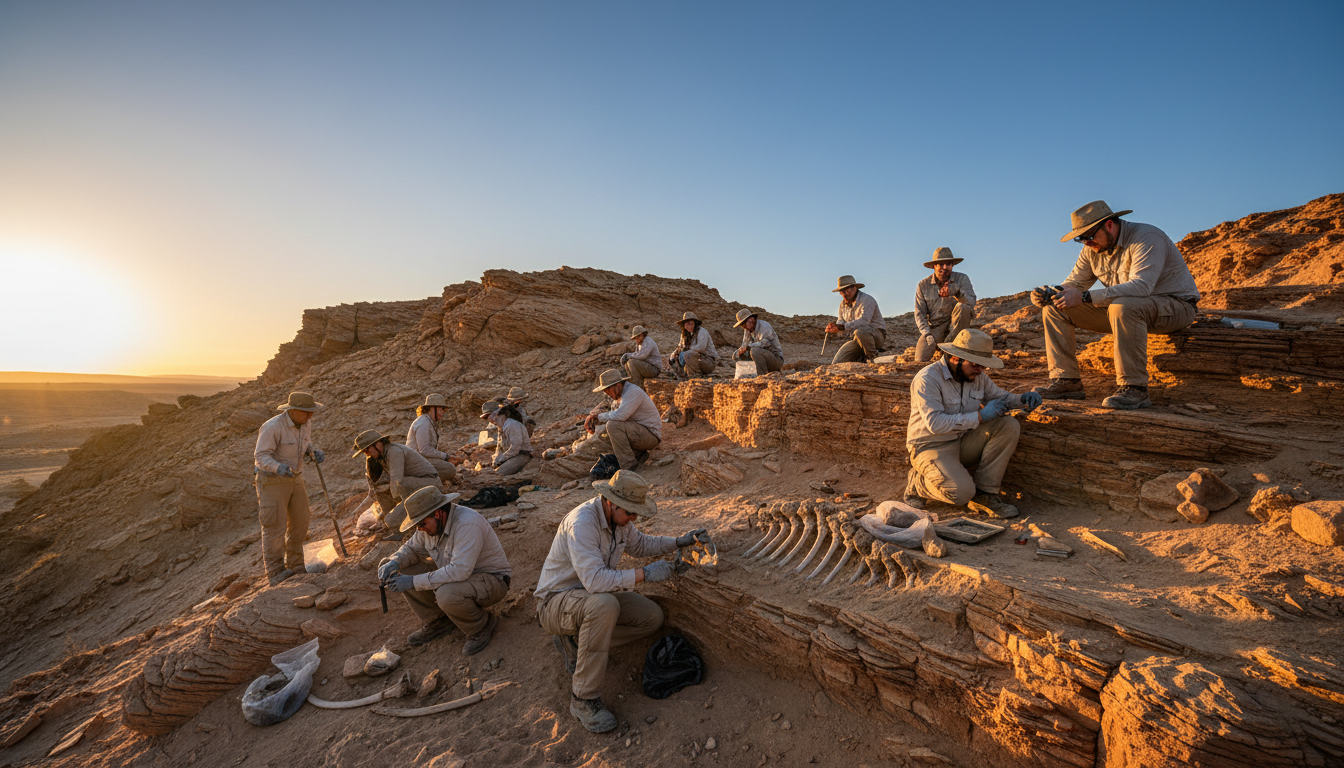
Archaeologists meticulously excavate sites, uncovering artifacts that tell stories of past civilizations. These discoveries are not just about finding ancient relics but about understanding the cultural, social, and technological advancements of historical societies. Techniques like carbon dating and stratigraphy are essential for accurate analysis.
Moreover, archaeology has evolved with technology. Tools such as ground-penetrating radar and 3D scanning now enable archaeologists to conduct non-invasive surveys, preserving sites while gathering crucial data. This blend of traditional and modern methods exemplifies how technology enhances our exploration of history.
The Rise of AI/ML
AI and ML have revolutionized various industries, offering unprecedented capabilities in data processing, pattern recognition, and decision-making. These technologies learn from vast datasets, identifying trends and making predictions with remarkable accuracy. Their applications range from healthcare and finance to entertainment and beyond.
Machine learning, a subset of AI, focuses on developing algorithms that allow computers to learn and adapt. This adaptability is crucial as it enables systems to improve their performance without explicit programming. The rise of AI/ML has sparked debates about ethics, privacy, and the future of work.

Bridging the Gap
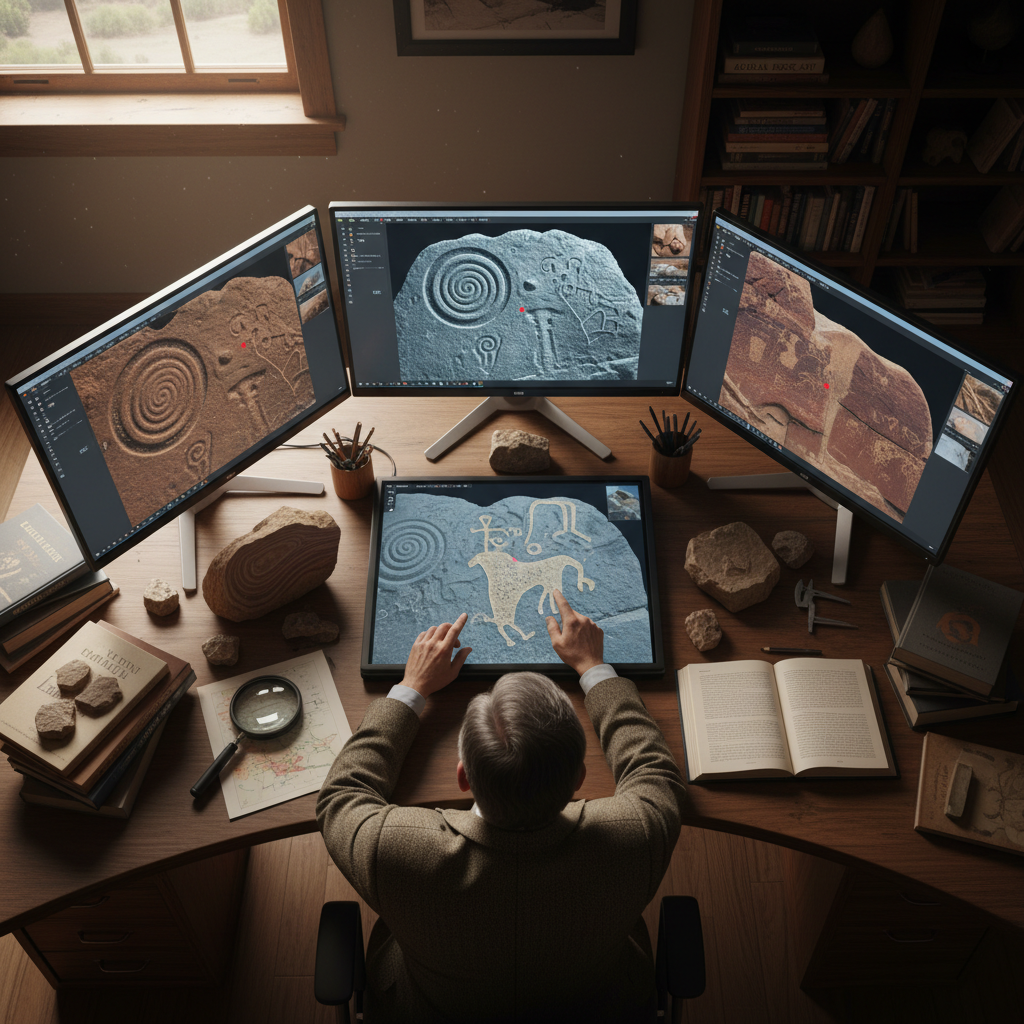
The link between archaeology and AI/ML becomes evident when we consider the growing use of AI in archaeological research. Machine learning algorithms analyze complex datasets, such as satellite imagery, to identify potential archaeological sites. This synergy accelerates discoveries and enhances our understanding of ancient landscapes.
Furthermore, AI-driven tools aid in artifact classification and reconstruction, providing insights that were once beyond reach. By automating tedious tasks, researchers can focus on interpretation and theory development, pushing the boundaries of what we know about human history.
The Future of Exploration
As AI/ML continue to evolve, their role in archaeology will likely expand, offering new ways to explore and interpret our past. This fusion of disciplines not only enriches academic research but also engages the public, making history more accessible and exciting.
Ultimately, the journey from archaeology to AI/ML is a testament to human curiosity and ingenuity. By embracing both the past and future, we unlock new pathways for discovery, ensuring that the stories of yesterday and the innovations of tomorrow are intertwined in a continuous narrative.