
Exploring the Intersection of Archeology and Machine Learning


Introduction to the Intersection of Archaeology and Machine Learning
The field of archaeology has long relied on meticulous excavation and analysis methods to uncover the secrets of our past. However, the advent of machine learning is revolutionizing how archaeologists approach their research. By integrating cutting-edge technology, experts are now able to analyze vast datasets, identify patterns, and make discoveries that were previously unimaginable.
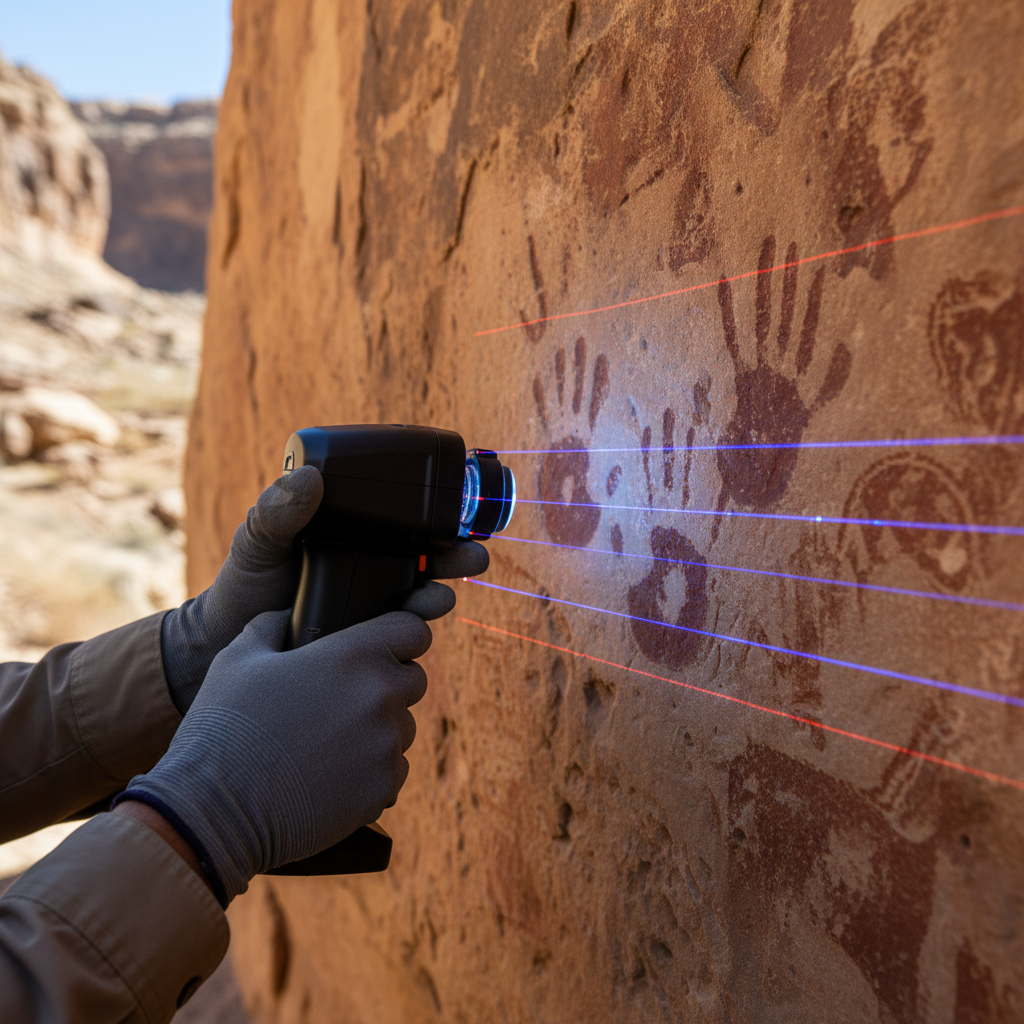
Enhancing Data Analysis
One of the most significant contributions of machine learning to archaeology is the enhancement of data analysis. Traditional methods can be time-consuming and prone to human error. Machine learning algorithms, on the other hand, can process large volumes of data quickly and with a high degree of accuracy. This allows archaeologists to focus on interpreting results rather than getting bogged down in the minutiae of data processing.
Furthermore, machine learning can identify patterns or anomalies in data that may not be immediately visible to the human eye. This capability is particularly useful in analyzing satellite images or geospatial data, where subtle variations can indicate the presence of archaeological sites.
Predictive Modeling in Archaeology
Predictive modeling is another area where machine learning shines. By analyzing historical data, machine learning models can predict where undiscovered sites might be located. This predictive power helps archaeologists prioritize their efforts, saving time and resources.

For example, machine learning algorithms can assess the likelihood of finding artifacts in a particular region by analyzing factors such as soil composition, climate data, and historical records. Such predictions are invaluable in planning excavations and allocating resources efficiently.
Automating Artifact Identification
Machine learning is also transforming the way artifacts are identified and classified. In the past, this process required significant manual effort by skilled experts. Now, algorithms are being trained to recognize and categorize artifacts based on images and other data.
This automation not only speeds up the process but also reduces the potential for human error. As models become more sophisticated, they are increasingly capable of identifying artifacts with a level of precision that rivals human experts.

Challenges and Considerations
Despite its advantages, the integration of machine learning in archaeology is not without challenges. One major concern is the quality and completeness of the data being used. Machine learning models rely heavily on the data fed into them, and any gaps or inaccuracies can lead to flawed conclusions.
Moreover, ethical considerations must be addressed, particularly when working with culturally sensitive materials. The use of technology should always be guided by respect for the cultures and histories being studied.
Future Prospects
As technology continues to advance, the potential for machine learning to further revolutionize archaeology is immense. Future developments may include more sophisticated algorithms capable of making even more nuanced interpretations of data, as well as the integration of other emerging technologies such as virtual reality and augmented reality.
The collaboration between archaeologists and data scientists will likely become increasingly important, fostering innovations that can unlock new understanding of our shared past.
Conclusion
The intersection of archaeology and machine learning represents a promising frontier in historical research. By harnessing the power of technology, archaeologists are uncovering new insights into ancient civilizations and redefining our understanding of history. As these fields continue to evolve, the stories of our ancestors will be told with greater depth and accuracy than ever before.