
Exploring the Intersection of Archeology and AI: A Journey with Michela Monteverde


Introduction to the Intersection of Archeology and AI
In recent years, the fields of archeology and artificial intelligence (AI) have converged in fascinating ways, leading to groundbreaking discoveries and methodologies. At the forefront of this intersection is Michela Monteverde, a pioneer whose work is reshaping how we understand our past. By leveraging AI technologies, Monteverde is not only enhancing the accuracy of archeological research but also accelerating the pace of discoveries.
The Role of AI in Archeology
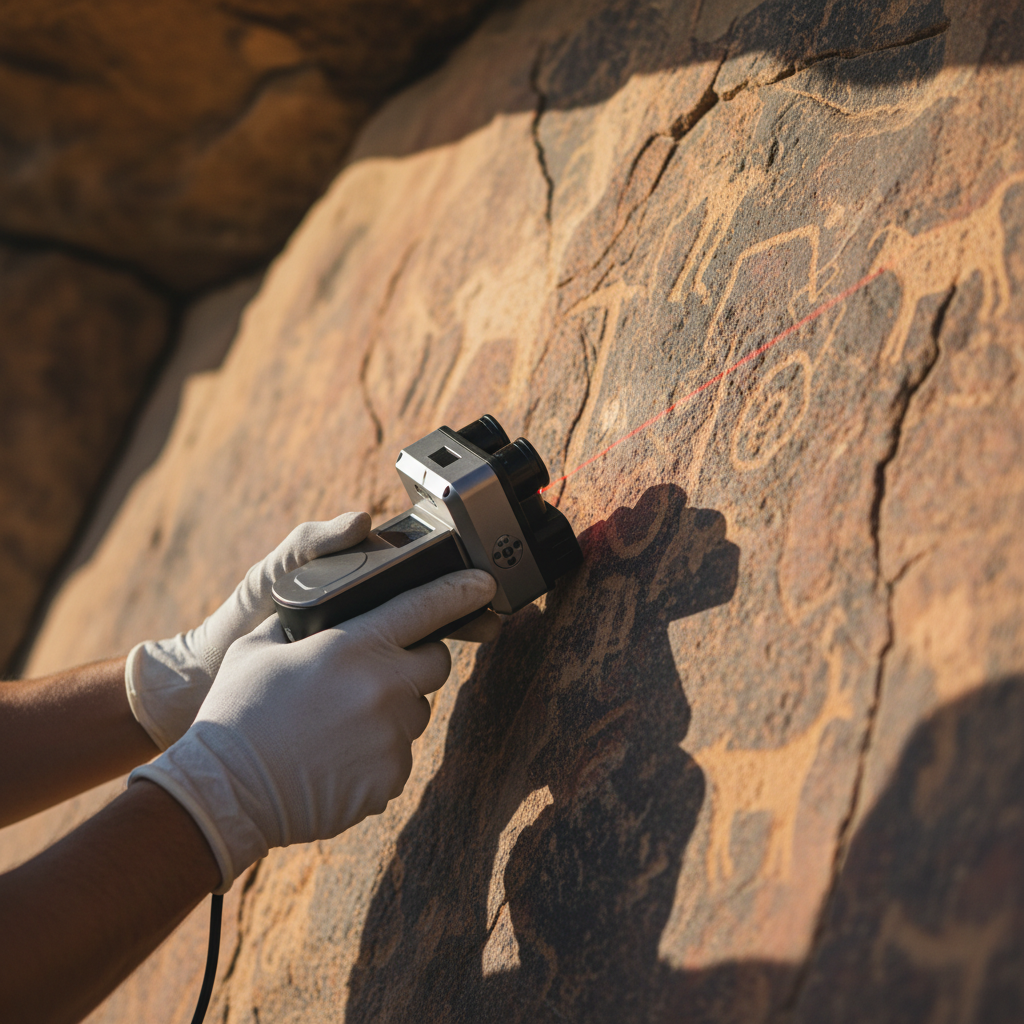
AI's role in archeology is multifaceted, ranging from data analysis to predictive modeling. Monteverde and her team utilize machine learning algorithms to sift through vast amounts of data, identifying patterns and anomalies that might be missed by the human eye. This innovative approach allows for more precise dating of artifacts and improved site analysis.
Moreover, AI tools are instrumental in reconstructing ancient structures and artifacts. By analyzing fragments and existing records, these tools can generate 3D models, offering a glimpse into the past like never before. Monteverde's work in this area has been pivotal, providing new insights into ancient civilizations.
Case Studies: Success Stories
Monteverde's projects have led to several significant breakthroughs. One notable example is the excavation of a previously undiscovered Roman settlement. Through AI-driven analysis, her team identified subtle land formations indicative of human activity, leading to the site’s discovery.
Another success story involves the use of AI in artifact restoration. By employing neural networks, Monteverde's team has been able to restore ancient pottery digitally, filling in missing pieces with remarkable accuracy. This not only preserves cultural heritage but also aids in educational efforts worldwide.
Challenges and Considerations
While the integration of AI in archeology offers exciting possibilities, it is not without challenges. Monteverde emphasizes the ethical considerations, particularly in data handling and the potential for AI to overshadow traditional archeological skills. The balance between technological advancement and preserving the human element of archeology is a critical concern.
Additionally, there are technical challenges, such as ensuring the accuracy of AI predictions and the need for robust datasets. Monteverde advocates for continuous collaboration between technologists and archeologists to address these issues effectively.

The Future of Archeology with AI
Looking forward, the potential for AI in archeology is vast. Monteverde envisions a future where AI not only aids in discoveries but also plays a crucial role in preserving sites endangered by climate change and urban development. By predicting potential threats and offering solutions, AI can become an essential tool in heritage conservation.
Moreover, as AI technologies evolve, they may offer even more sophisticated tools for archeologists, transforming how we explore and understand our history. Monteverde's journey serves as an inspiring example of how embracing technology can open new doors in scientific research.
Conclusion
The intersection of archeology and AI is a testament to human ingenuity and the relentless pursuit of knowledge. Through the innovative efforts of pioneers like Michela Monteverde, we are not only uncovering the mysteries of our past but also ensuring they are preserved for future generations. As we continue this journey, the possibilities are truly endless, promising a deeper connection with our shared history.