
Exploring AI Solutions in the Maritime Industry: A Deep Dive


The maritime industry, a cornerstone of global trade and transportation, is on the brink of a technological revolution. As the world becomes increasingly interconnected, the integration of Artificial Intelligence (AI) in maritime operations is becoming not only beneficial but essential. AI solutions offer numerous advantages, from enhancing operational efficiency to improving safety and sustainability.
One of the primary areas where AI is making waves is in predictive maintenance. By analyzing data from ship sensors, AI algorithms can predict equipment failures before they occur, saving time and reducing costs associated with unscheduled repairs. This proactive approach ensures that vessels operate smoothly and safely.
Optimizing Navigation
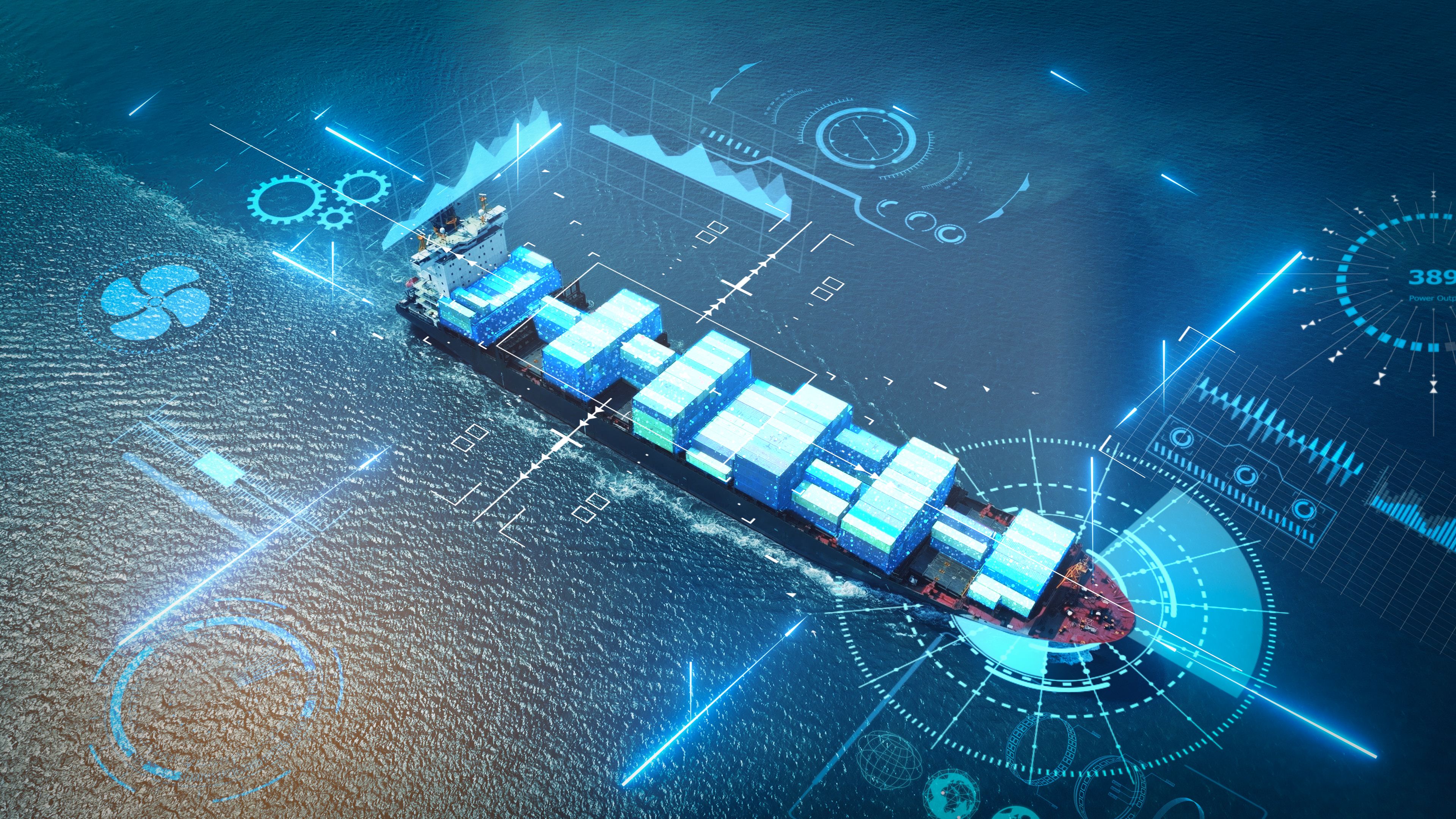
AI-driven navigation systems are transforming the way ships traverse the seas. These systems analyze vast amounts of data, including weather conditions, sea currents, and traffic patterns, to chart the most efficient routes. This not only reduces fuel consumption but also minimizes the environmental impact of shipping activities.
Furthermore, AI technologies are being employed to enhance autonomous navigation. While fully autonomous ships are still in development, AI systems are already assisting crews by making real-time decisions and adjustments, thus improving safety and reducing the risk of human error.
Enhancing Port Operations
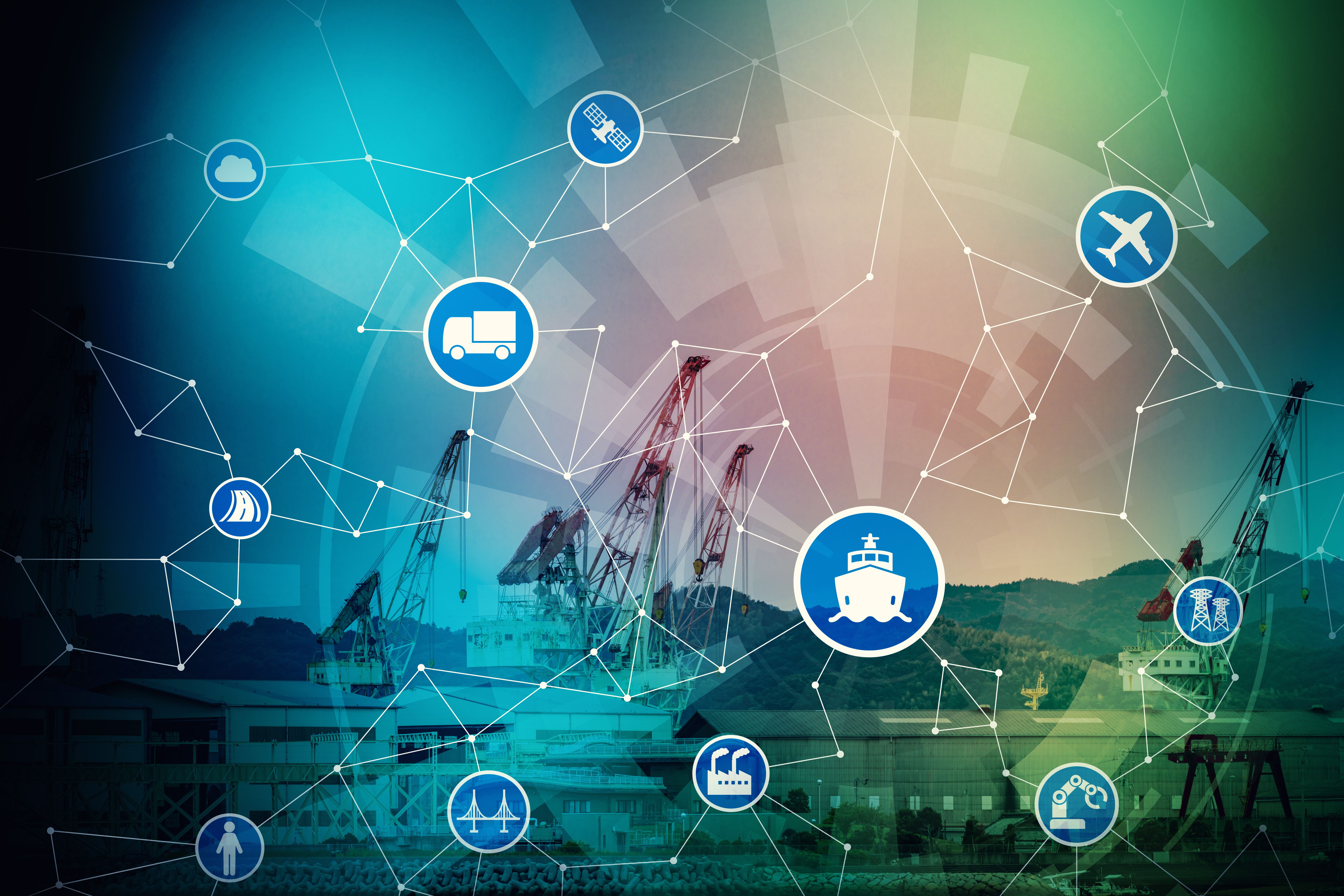
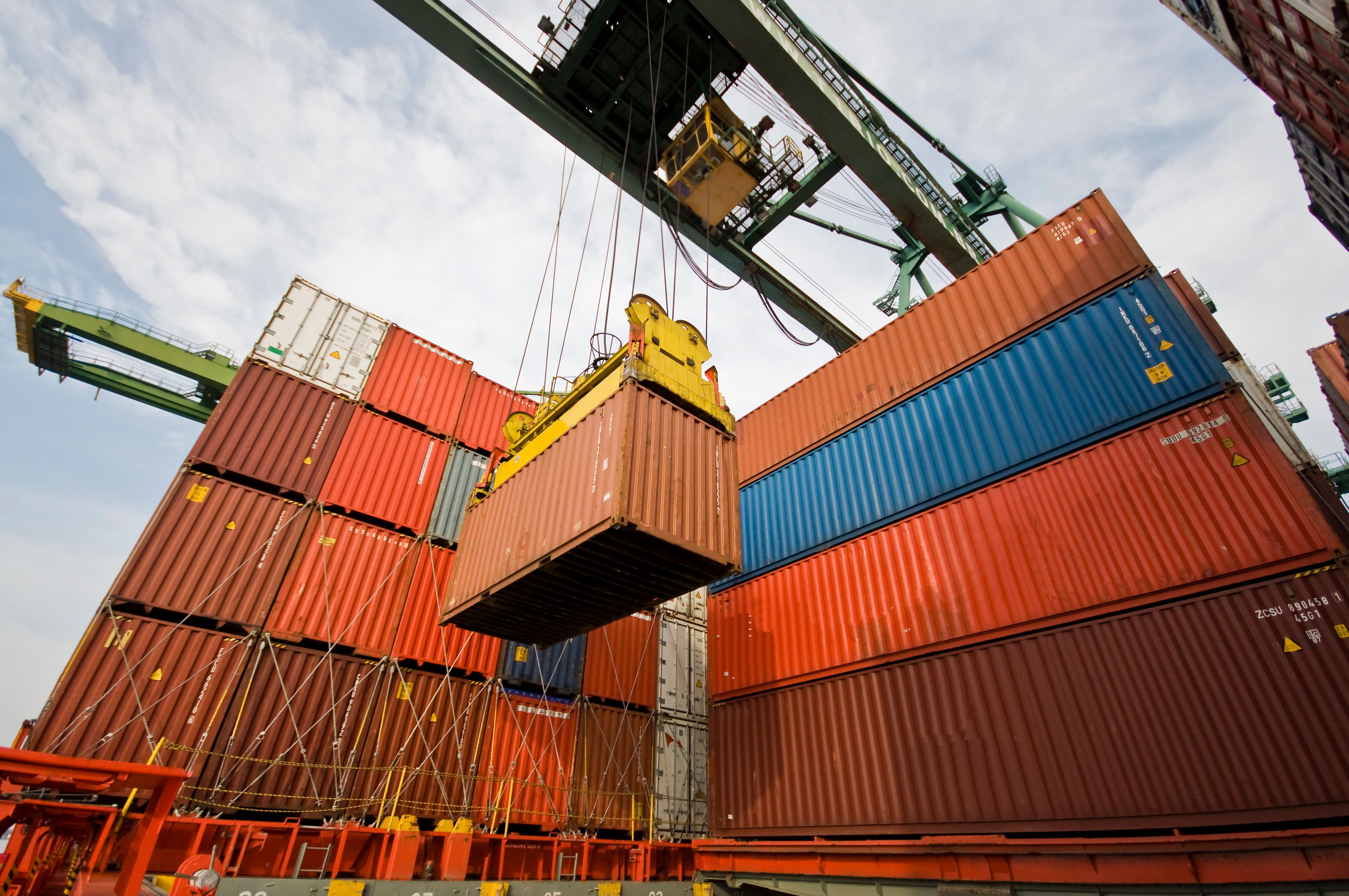
Ports are the lifelines of the maritime industry, and AI is playing a crucial role in optimizing their operations. AI-powered systems can manage cargo handling, streamline customs procedures, and even predict port congestion. By automating these processes, ports can increase their throughput and efficiency while reducing operational costs.
One of the standout applications of AI in ports is in improving security measures. AI systems equipped with advanced surveillance capabilities can detect anomalies and potential threats, ensuring that port facilities and cargo remain secure.
Improving Environmental Sustainability
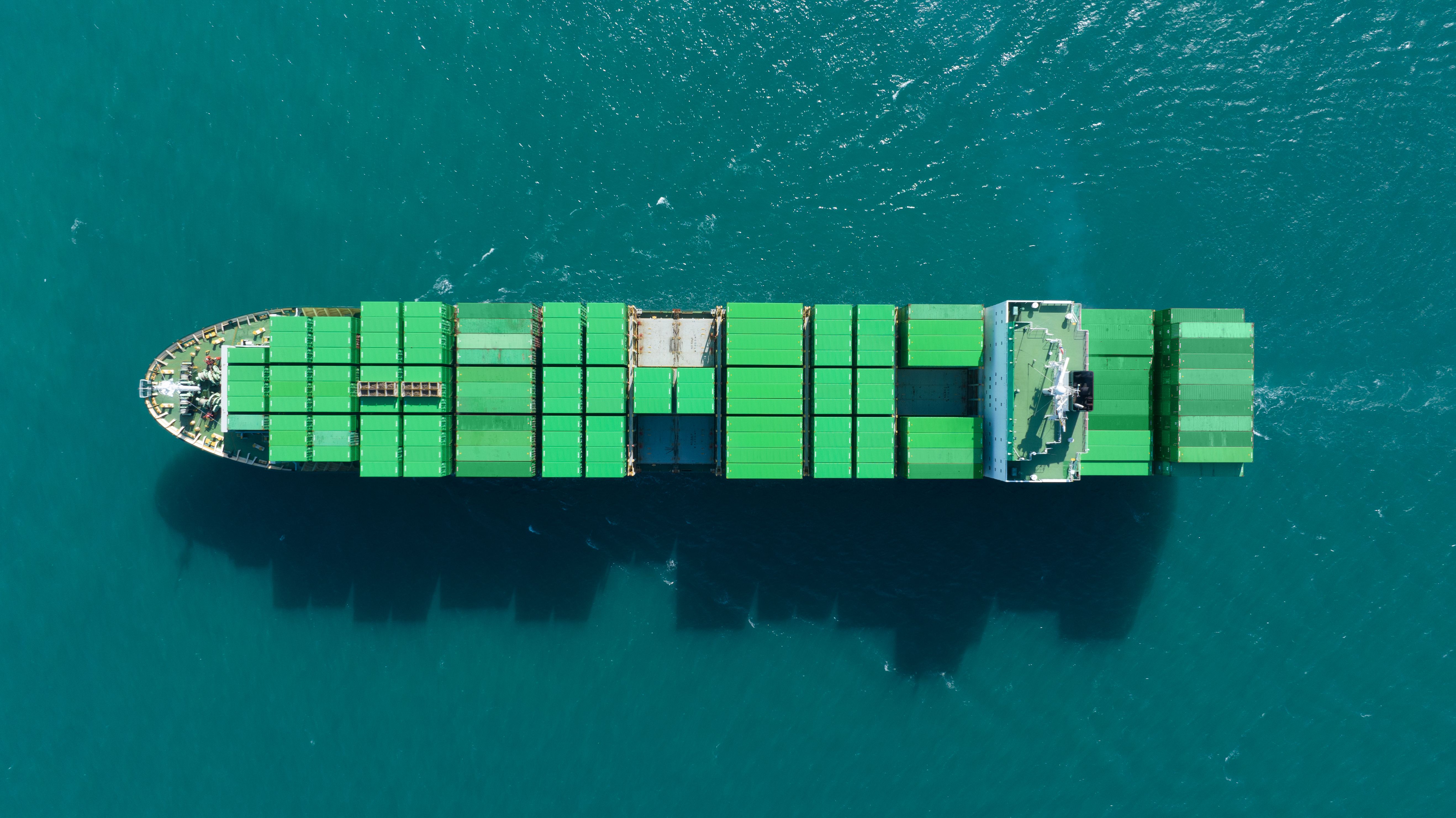
The maritime industry is under increasing pressure to reduce its carbon footprint, and AI offers innovative solutions to this challenge. AI-driven energy management systems optimize fuel consumption by analyzing real-time data, leading to significant reductions in greenhouse gas emissions.
In addition, AI technologies are being used to monitor and control emissions from ships. By providing accurate data and insights, these systems help shipping companies comply with international environmental regulations and contribute to a more sustainable future.
Challenges and Future Prospects
While the benefits of AI in the maritime industry are clear, there are challenges to overcome. Issues such as data privacy, cybersecurity, and the high cost of implementation need to be addressed. Moreover, the industry must invest in training and re-skilling the workforce to adapt to these new technologies.
Despite these challenges, the future of AI in the maritime industry looks promising. Continued advancements in AI technology and increased collaboration between stakeholders will drive further innovation, leading to safer, more efficient, and environmentally friendly maritime operations.