
Exploring AI in Archaeology: A New Frontier


Introduction to AI in Archaeology
The integration of artificial intelligence (AI) into archaeology is revolutionizing how researchers uncover and interpret ancient civilizations. This cutting-edge technology is becoming a vital tool in unraveling the mysteries of the past, offering new insights and efficiencies that were previously unimaginable.
Enhancing Data Analysis
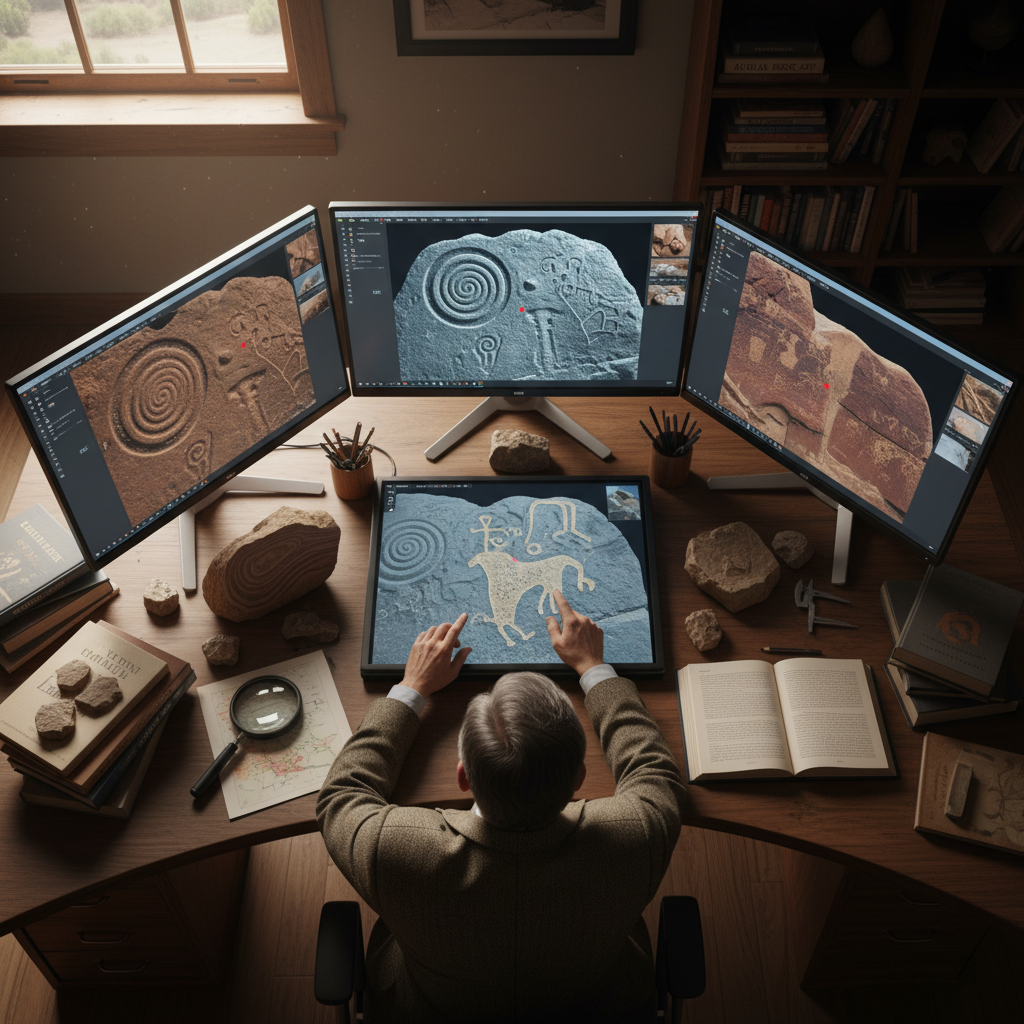
One of the most significant impacts of AI in archaeology is its ability to process vast amounts of data quickly and accurately. Traditional methods of data analysis are often labor-intensive and time-consuming. However, AI algorithms can sift through complex datasets, identifying patterns and correlations that might be missed by human analysts.
This capability not only accelerates the research process but also enhances the accuracy of findings. By leveraging machine learning, archaeologists can predict the location of potential sites, analyze artifacts, and even reconstruct ancient languages.
Automating Excavation Processes
AI is also playing a crucial role in automating excavation processes. Drones equipped with AI technology can survey large areas, capturing detailed images and creating 3D models of sites. This allows researchers to explore sites remotely, minimizing the risk of damaging fragile artifacts.
Moreover, AI-powered robots are being developed to assist in delicate excavation tasks. These robots can perform precise movements, reducing the possibility of human error and preserving the integrity of archaeological finds.

Preservation and Restoration
Preserving historical artifacts is a challenge that archaeologists have faced for centuries. AI is now providing innovative solutions in this area. Through advanced imaging techniques and predictive modeling, AI can help in the restoration of damaged artifacts, offering virtual reconstructions that guide physical restoration efforts.
These techniques ensure that artifacts are preserved for future generations, maintaining the cultural heritage and historical significance of ancient sites.

Challenges and Ethical Considerations
Despite its potential, the use of AI in archaeology does come with challenges. Issues related to data privacy, the interpretation of AI-generated results, and the ethical implications of automating archaeological processes must be carefully considered.
There is also the question of accessibility. Ensuring that AI technology is available to researchers worldwide, regardless of their resources, is crucial for fostering inclusive and diverse archaeological studies.
The Future of Archaeology with AI
The future of archaeology is undoubtedly intertwined with the advancement of AI technology. As AI continues to evolve, it will likely uncover even more profound insights into human history. The collaboration between archaeologists and AI specialists promises to bring about a new era of discovery.
By embracing this technological frontier, the field of archaeology can not only preserve the past but also inspire future generations to explore the rich tapestry of human history.