
Data-Driven Solutions for Milan's Maritime Sector: A Case Study


Introduction to Milan's Maritime Sector
Milan, though renowned for its fashion and design, is also making waves in the maritime sector. Despite being landlocked, the city plays a pivotal role in maritime trade and logistics through its strategic connections. The integration of data-driven solutions is transforming this industry, enhancing efficiency and sustainability.

The Role of Data-Driven Solutions
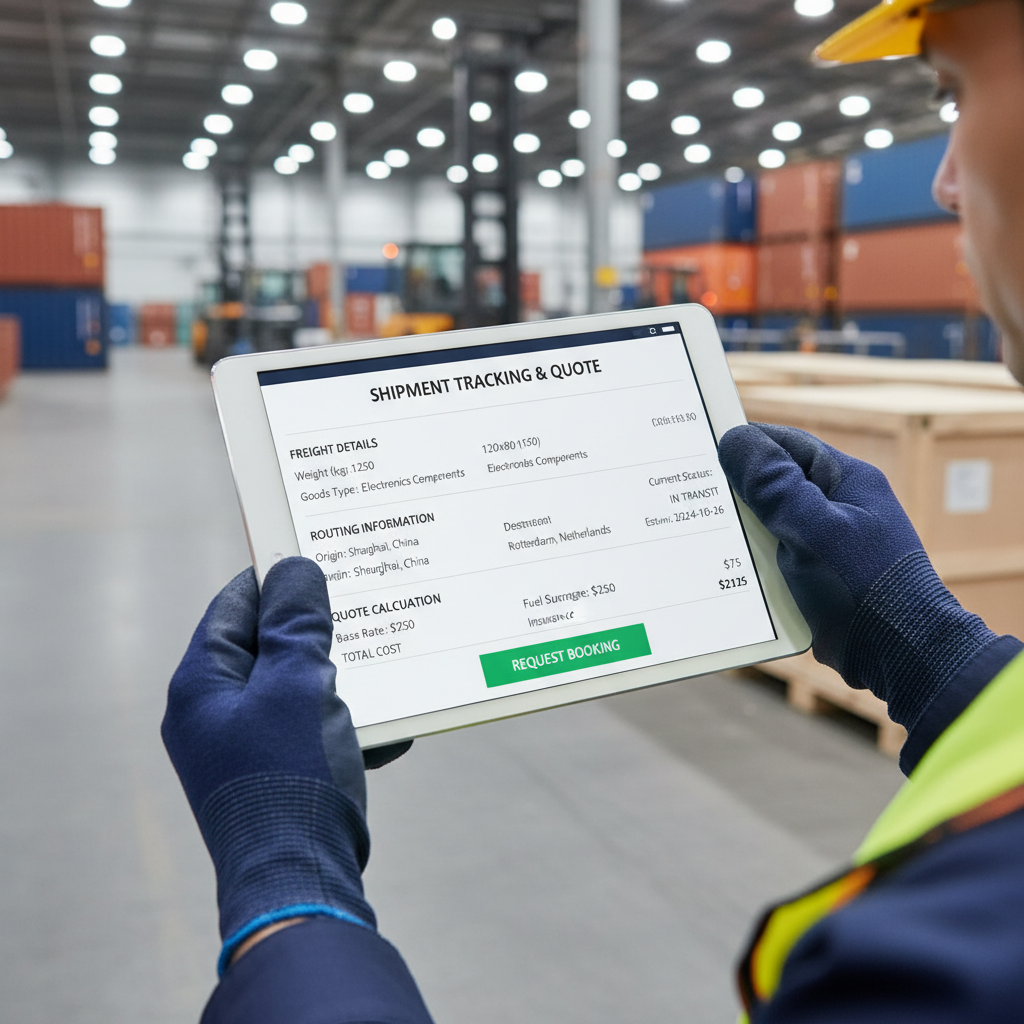
Data-driven solutions have become a cornerstone for innovation in Milan's maritime sector. By leveraging advanced analytics, companies can optimize routes, reduce fuel consumption, and improve overall operational efficiency. This shift is not just about technology—it's about creating a smarter, more responsive industry.
Optimizing Operations with Big Data
Big data analytics allow maritime businesses to gain insights into their operations that were previously unattainable. For example, predictive analytics can forecast maintenance needs, minimizing downtime and reducing costs. Real-time data monitoring ensures that any anomalies are quickly addressed, preventing potential disruptions.

Enhancing Sustainability
Sustainability is a key focus in Milan's maritime endeavors. Data-driven solutions contribute to this by optimizing fuel usage and reducing emissions. Companies can track their carbon footprint more accurately, ensuring compliance with environmental regulations and contributing to global sustainability goals.
Case Study: A Milanese Maritime Company
A notable case study involves a Milan-based logistics company that has successfully implemented data-driven solutions. By adopting a comprehensive data analytics platform, the company achieved a 20% reduction in fuel costs within the first year. This not only improved their bottom line but also enhanced their environmental profile.
Implementation Strategies
The implementation process involved several key strategies:
- Data Integration: Consolidating data from various sources to create a unified platform.
- Employee Training: Ensuring staff were equipped to utilize new technologies effectively.
- Continuous Monitoring: Regularly updating systems to adapt to evolving needs.
Challenges and Solutions
While the transition to data-driven solutions offers numerous benefits, it also presents challenges. Privacy concerns, data security, and the need for continuous updates are some of the hurdles faced. However, with robust cybersecurity measures and a commitment to ongoing improvement, these challenges can be effectively managed.
Conclusion: The Future of Milan's Maritime Sector
As Milan continues to embrace data-driven strategies, the maritime sector is poised for significant growth. By harnessing the power of data, companies can not only enhance their operational efficiency but also contribute to a more sustainable future. The journey towards a fully integrated, data-driven maritime industry is well underway, promising exciting developments on the horizon.