
Common Misconceptions About AI in the Maritime Sector


Understanding AI in the Maritime Sector
Artificial Intelligence (AI) is revolutionizing industries worldwide, and the maritime sector is no exception. However, several misconceptions about AI's role in this field can lead to misunderstandings. Let's explore some of these myths and clarify the reality.
Misconception 1: AI Will Replace Human Jobs
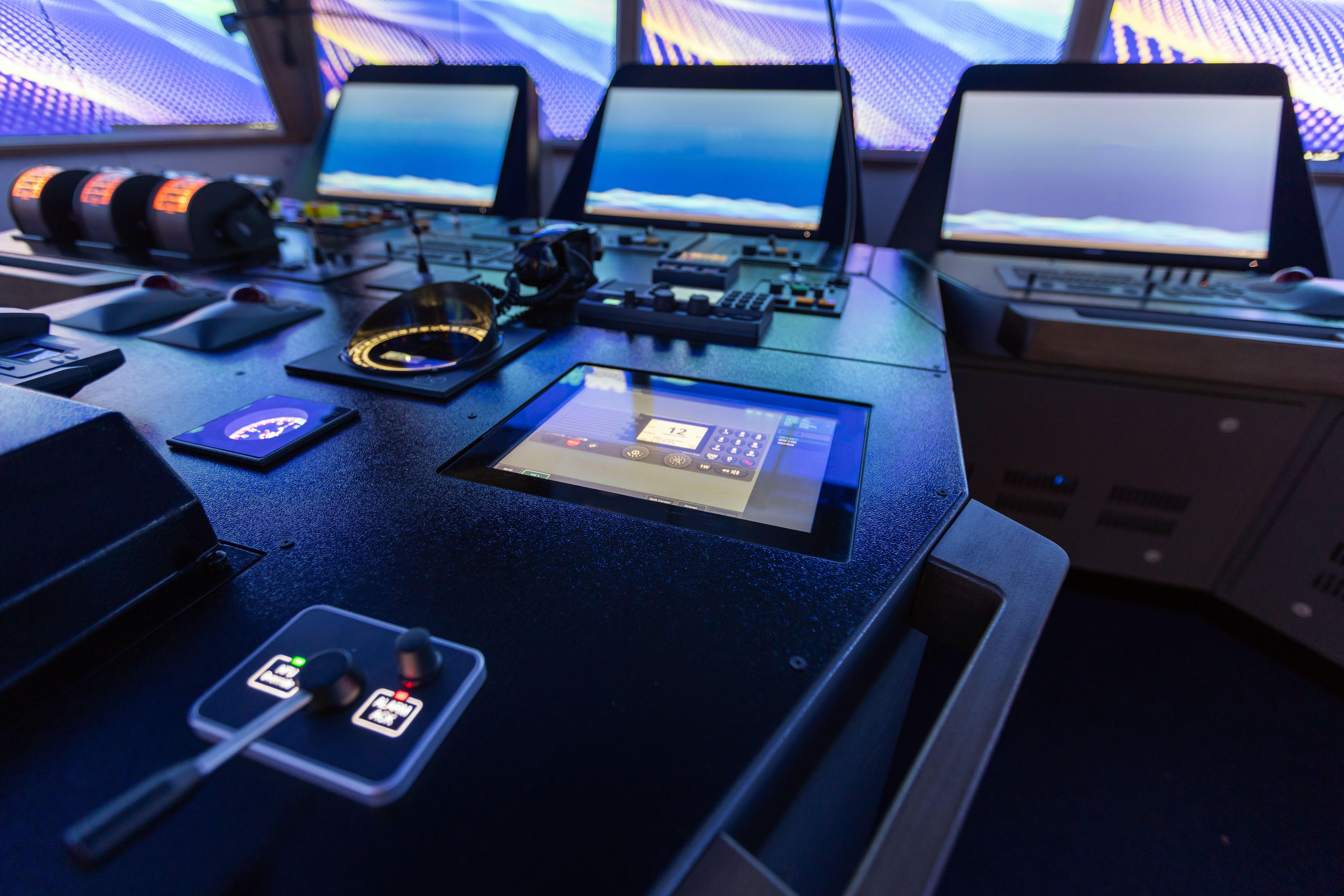
One of the most common fears is that AI will lead to mass unemployment by replacing human jobs. In the maritime sector, this is far from the truth. AI is designed to assist humans by automating repetitive tasks, enhancing decision-making, and improving safety. This technology allows maritime professionals to focus on more strategic and complex responsibilities.
For example, AI-driven systems can manage routine navigation tasks, allowing crew members to concentrate on safety protocols and emergency responses. The integration of AI can lead to the creation of new roles focused on overseeing and maintaining AI systems, thus offering opportunities for skill enhancement and career growth.
Misconception 2: AI Is Only for Large Vessels
Another misconception is that AI solutions are only applicable to large vessels or shipping corporations. In reality, AI technology can benefit a wide range of maritime operations, including smaller vessels and fishing boats. AI can optimize fuel consumption, improve route efficiency, and provide real-time weather updates, which are crucial for all sizes of maritime operations.
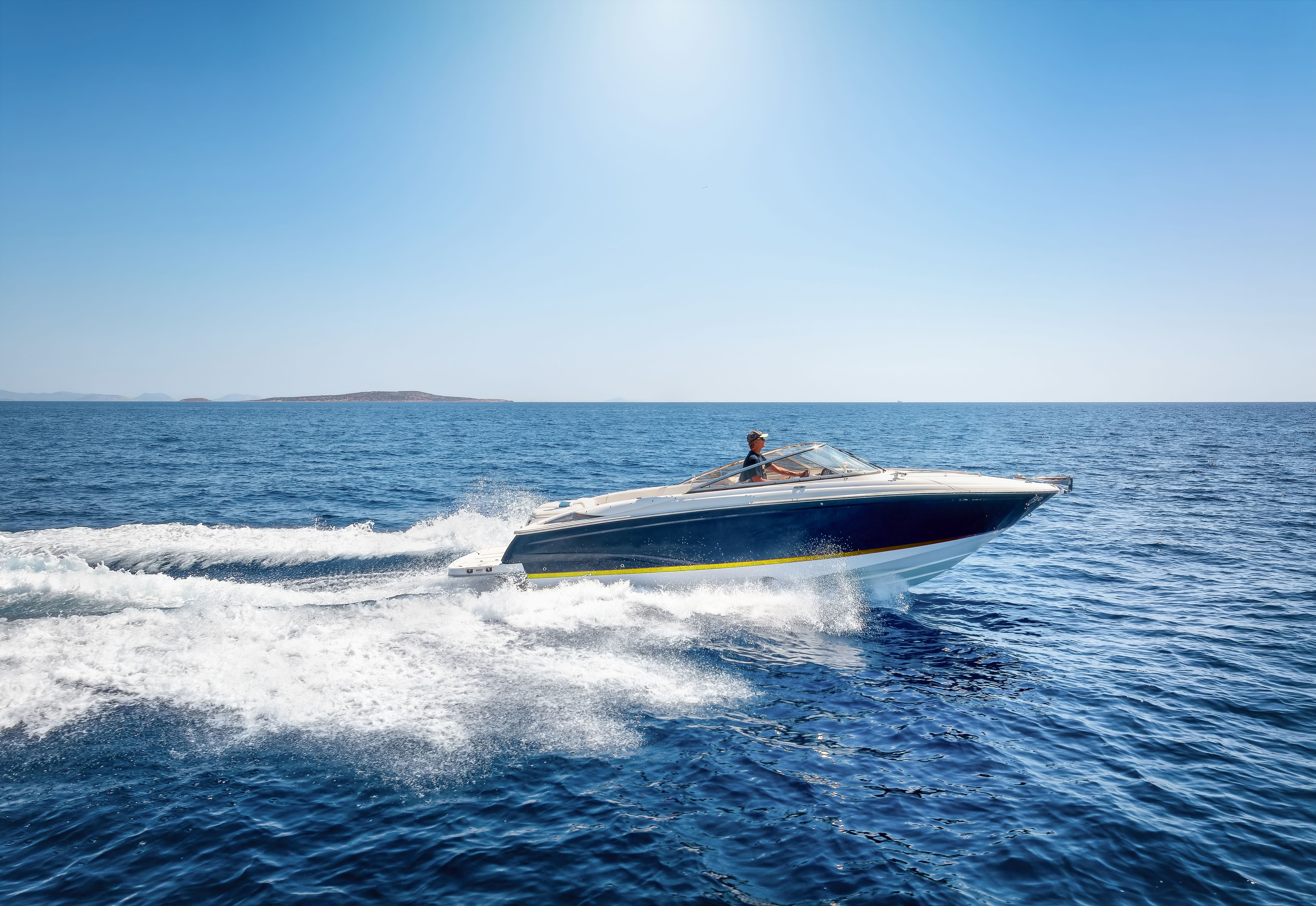
By providing scalable solutions, AI technology ensures that even smaller operations can enhance their efficiency and safety without incurring excessive costs. This democratization of technology allows more players in the maritime industry to benefit from AI advancements.
Misconception 3: AI Systems Are Too Complex to Implement
Some maritime operators believe that AI systems are too complex and costly to implement. While AI technology can be sophisticated, many solutions are designed with user-friendliness in mind. Companies offer comprehensive training and support to ensure smooth integration into existing systems.
Moreover, the initial investment in AI technology often results in significant long-term savings through improved operational efficiency and reduced fuel consumption. The return on investment can be substantial, making AI an attractive option for maritime businesses of all sizes.
The Real Benefits of AI in Maritime
AI in the maritime sector offers numerous benefits beyond automation. Enhanced data analytics allows for better decision-making and predictive maintenance, reducing downtime and costly repairs. AI-driven insights can also enhance safety by providing real-time alerts about potential hazards and environmental conditions.
By embracing AI, the maritime sector can not only improve operational efficiency but also contribute to sustainability efforts by optimizing fuel usage and reducing emissions. These advancements are crucial for meeting global environmental standards and ensuring the industry's future resilience.
Conclusion
Understanding the true capabilities and benefits of AI in the maritime sector is essential for overcoming misconceptions. By recognizing AI as a supportive tool rather than a replacement, maritime professionals can harness its potential to advance their operations and contribute to a more efficient and sustainable future.