
Case Study: Implementing AI Solutions in Italian Maritime Firms


Introduction to AI in the Maritime Industry
In recent years, the maritime industry has witnessed significant advancements with the introduction of artificial intelligence (AI) solutions. Italian maritime firms, in particular, are embracing this technological shift to enhance operational efficiency and ensure sustainable practices. This case study explores how these firms are implementing AI solutions to stay competitive in the global market.
Challenges Faced by Italian Maritime Firms
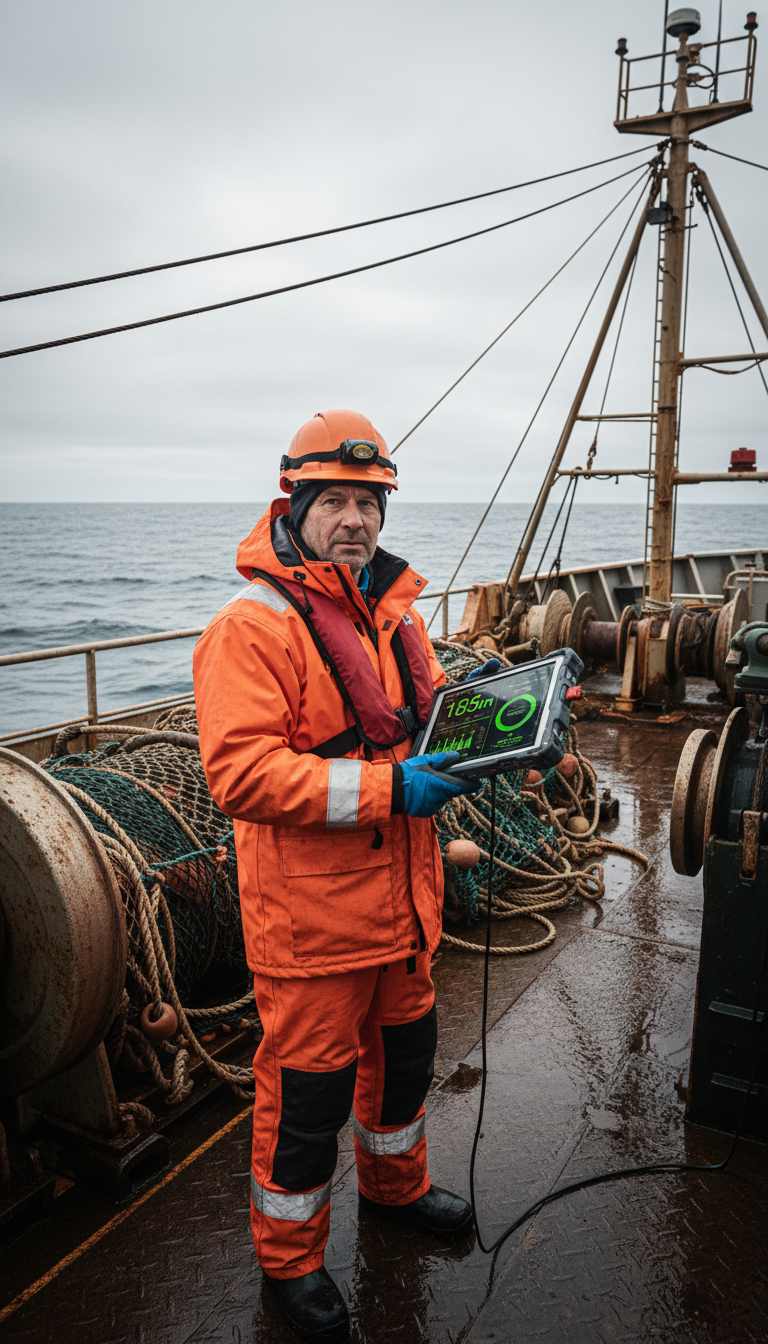
Italian maritime companies have traditionally faced numerous challenges, including fluctuating fuel prices, regulatory compliance, and the need for optimized logistics. These challenges have necessitated a shift towards innovative technologies that can streamline operations and reduce costs. AI offers promising solutions to these persistent issues.
One major challenge is improving fuel efficiency. Many firms have begun using AI-driven predictive analytics to optimize fuel consumption. This not only reduces costs but also minimizes the environmental impact, aligning with global sustainability goals.
AI Solutions Transforming Operations
AI is transforming maritime operations in various ways. For instance, predictive maintenance powered by AI algorithms allows firms to anticipate equipment failures before they occur. This proactive approach leads to reduced downtime and maintenance costs, ultimately enhancing productivity.

Another critical application of AI is in route optimization. By analyzing weather patterns, sea conditions, and vessel performance data, AI systems can recommend the most efficient routes. This optimization results in significant fuel savings and improved delivery times.
Case Study: Successful Implementations
Several Italian maritime firms have successfully implemented AI solutions with remarkable outcomes. One such firm integrated AI into its logistics operations, achieving a 20% reduction in operational costs within the first year. This was primarily due to enhanced route efficiency and reduced fuel consumption.
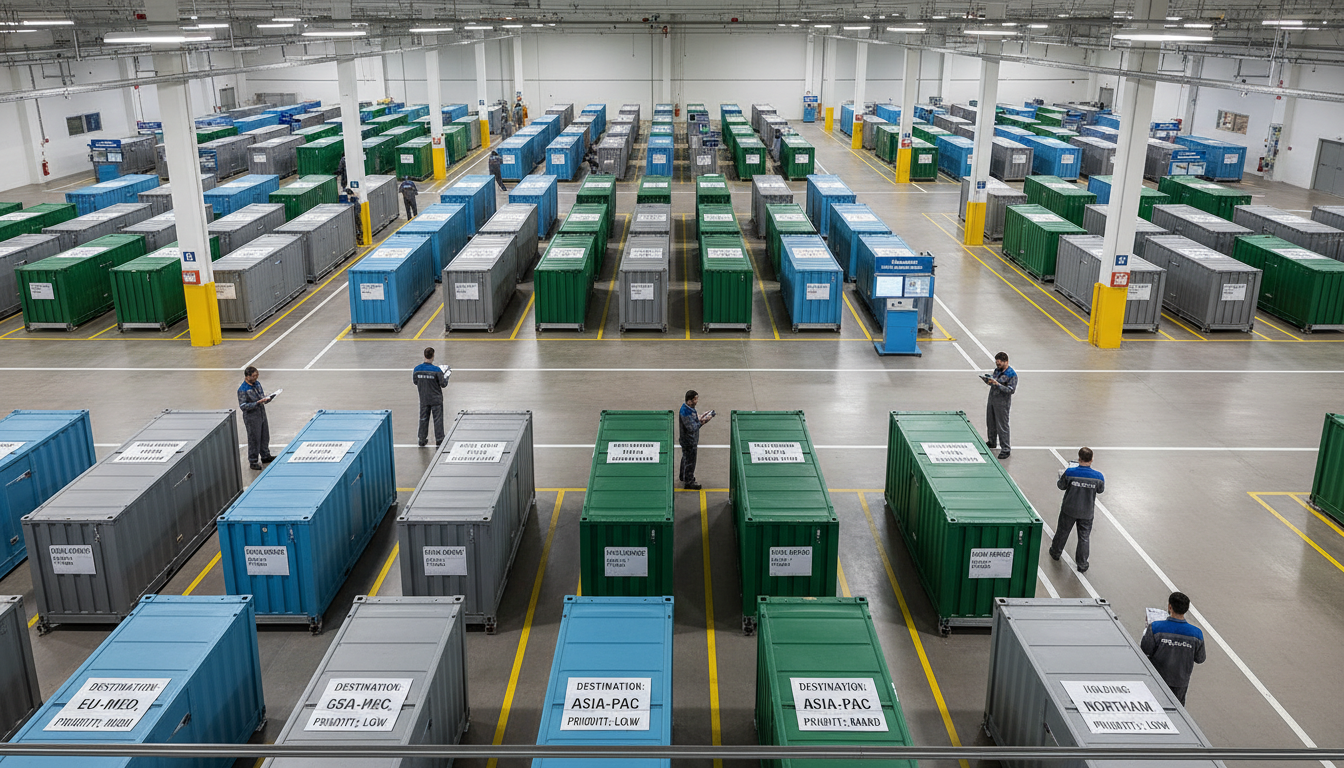
Another firm utilized AI for cargo handling and inventory management. By automating these processes, the company improved accuracy and reduced labor costs. As a result, they experienced a substantial increase in customer satisfaction due to faster and more reliable service.
Benefits and Future Prospects
The benefits of implementing AI solutions in the maritime industry extend beyond cost savings. Enhanced decision-making capabilities, improved safety measures, and greater environmental compliance are just a few examples. These advancements position Italian maritime firms as leaders in innovation and sustainability.
Looking ahead, the integration of AI is expected to continue growing, with more firms exploring its potential. As technology evolves, the possibilities for AI in the maritime sector are vast, promising even greater efficiency and sustainability.
Conclusion
AI is revolutionizing the Italian maritime industry, offering solutions to long-standing challenges and opening new avenues for growth. By adopting AI technologies, maritime firms in Italy are not only improving their current operations but are also paving the way for a more sustainable and efficient future.
The successful implementation of AI in these firms serves as a model for others in the industry, showcasing the tangible benefits and transformative potential of this technology.