
Case Study: Implementing AI/ML Solutions in the Maritime Sector


Introduction to AI/ML in the Maritime Sector
The maritime sector has always been a cornerstone of global trade and commerce. With the advancements in technology, the integration of Artificial Intelligence (AI) and Machine Learning (ML) has become pivotal in enhancing operational efficiency, safety, and sustainability. This case study explores the implementation of AI/ML solutions in the maritime industry, highlighting transformative impacts and future possibilities.
Challenges in the Maritime Industry
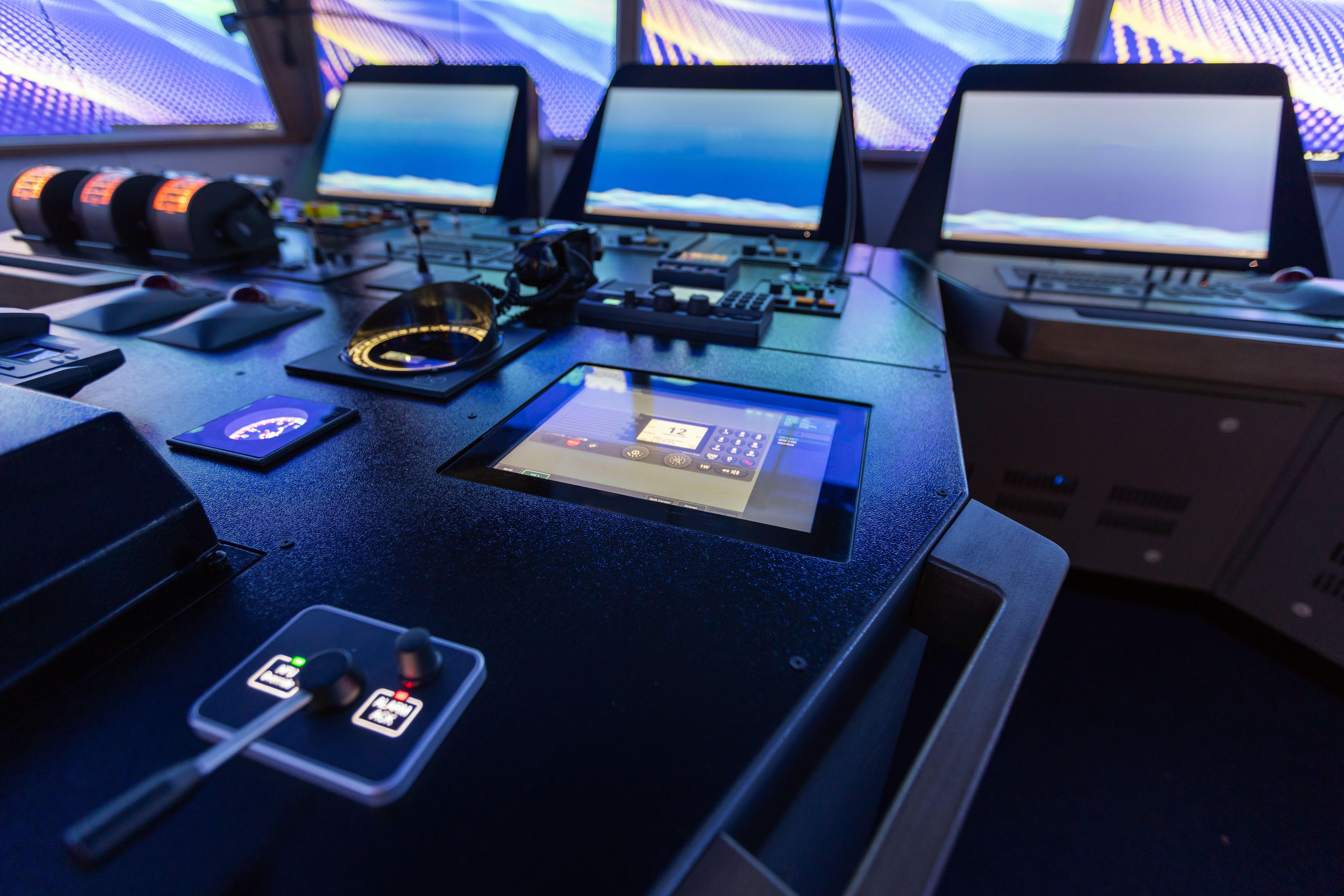
Before implementing AI/ML solutions, the maritime industry faced several challenges. These included unpredictable weather conditions, fuel inefficiencies, and complex logistical operations. These hurdles often resulted in increased operational costs and reduced safety. Identifying these pain points was the first step toward crafting a technological solution.
Weather Predictions and Route Optimization
One of the most significant challenges was dealing with unpredictable weather, which can severely affect shipping routes and safety. By using AI algorithms, companies can now predict weather patterns more accurately. This technology allows for dynamic route optimization, ensuring ships take the safest and most efficient paths.

Implementing AI/ML Solutions
The implementation process began with data collection. Companies gathered vast amounts of historical data, including shipping routes, weather patterns, and fuel consumption rates. This data was then used to train machine learning models, allowing them to provide actionable insights.
Fuel Efficiency
Fuel consumption is a major cost factor in maritime operations. AI-powered systems can analyze various parameters to recommend speed adjustments and route changes, significantly improving fuel efficiency. This not only reduces costs but also contributes to environmental sustainability.

Safety Enhancements
AI/ML technologies have revolutionized safety protocols within the maritime sector. Advanced systems can now predict and identify potential hazards, such as equipment failures or collision risks, in real-time. This proactive approach has drastically reduced accidents and improved overall safety standards.
Case Study: Success Stories
Several maritime companies have successfully implemented AI/ML solutions. For example, a leading shipping company achieved a 15% reduction in fuel consumption and a 20% decrease in route deviations within the first year of adoption. These successes underscore the transformative potential of AI/ML in the industry.

Future Prospects
The future of AI/ML in the maritime sector looks promising. As technology evolves, we can expect even more sophisticated systems capable of automating entire maritime operations. This will not only enhance efficiency but also open new avenues for innovation and growth.
In conclusion, the integration of AI/ML solutions in the maritime industry is a game-changer. By addressing long-standing challenges, these technologies are paving the way for a more efficient, safe, and sustainable future in maritime operations.