
AI Solutions Transforming the Maritime Industry: A Case Study Approach


The maritime industry, traditionally reliant on manual operations and seasoned expertise, is undergoing a significant transformation. With the integration of AI solutions, the industry is poised for unprecedented efficiency and safety advancements. This case study approach highlights how AI is reshaping various facets of maritime operations.
Optimizing Fleet Management
AI-driven solutions are revolutionizing fleet management, offering real-time insights and predictive analytics. By analyzing vast amounts of data, AI systems can predict maintenance needs, schedule repairs, and optimize fuel consumption. This not only reduces operational costs but also minimizes downtime, ensuring vessels are always ready for deployment.
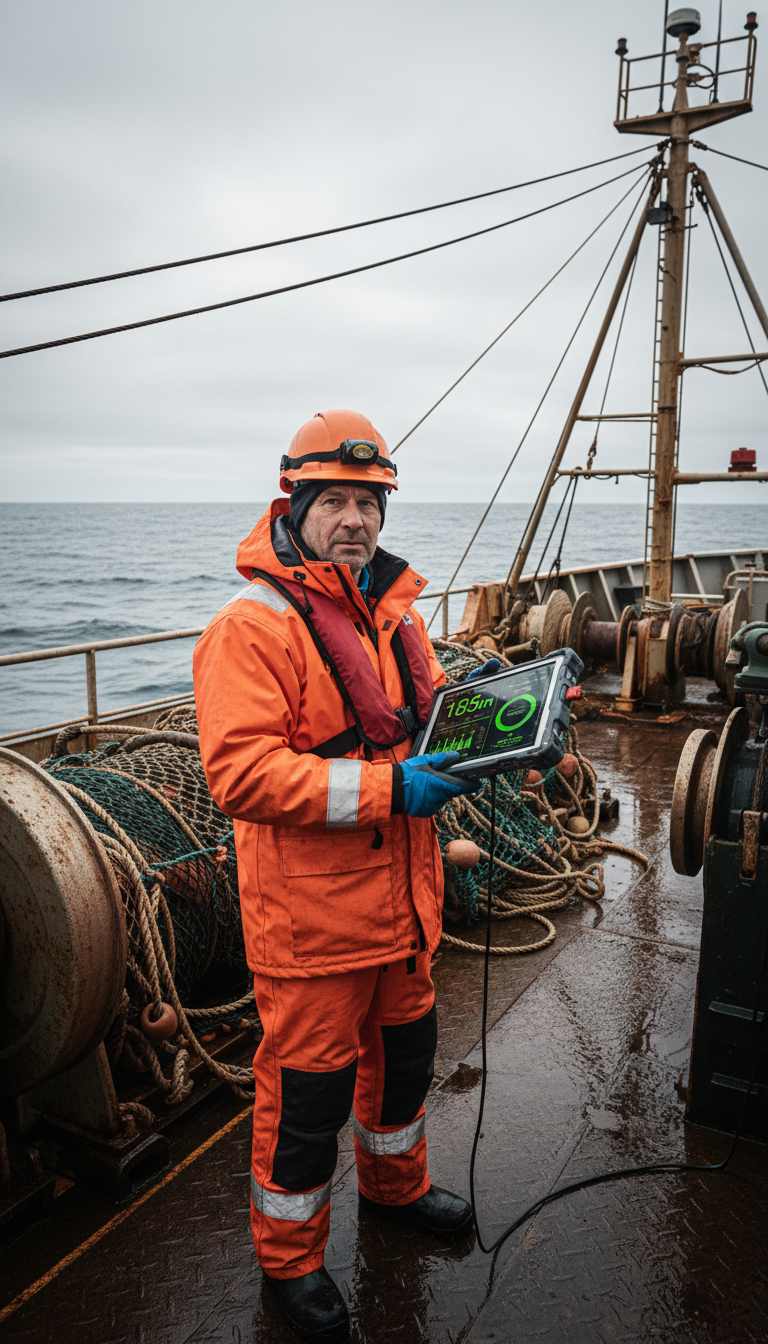
For instance, a leading shipping company implemented an AI-based predictive maintenance system that reduced their maintenance costs by 20%. The system analyzed data from sensors placed on critical machinery, predicting failures before they occurred and scheduling maintenance proactively.
Enhancing Navigation and Safety
AI-powered navigation systems are enhancing the safety and efficiency of maritime operations. These systems use real-time data to provide optimal routing, avoiding adverse weather conditions and congested sea routes. This ensures timely deliveries and reduces the risk of accidents.
Moreover, AI solutions are improving onboard safety through advanced monitoring systems. These systems can detect potential hazards, such as fire or gas leaks, and alert crew members immediately. This proactive approach significantly reduces the risk of onboard accidents.

Streamlining Port Operations
Ports are integral to the maritime industry, and AI is playing a crucial role in streamlining their operations. AI algorithms are used to manage cargo handling, optimize loading and unloading processes, and reduce turnaround times. This efficiency is crucial for maintaining the flow of goods in global trade.
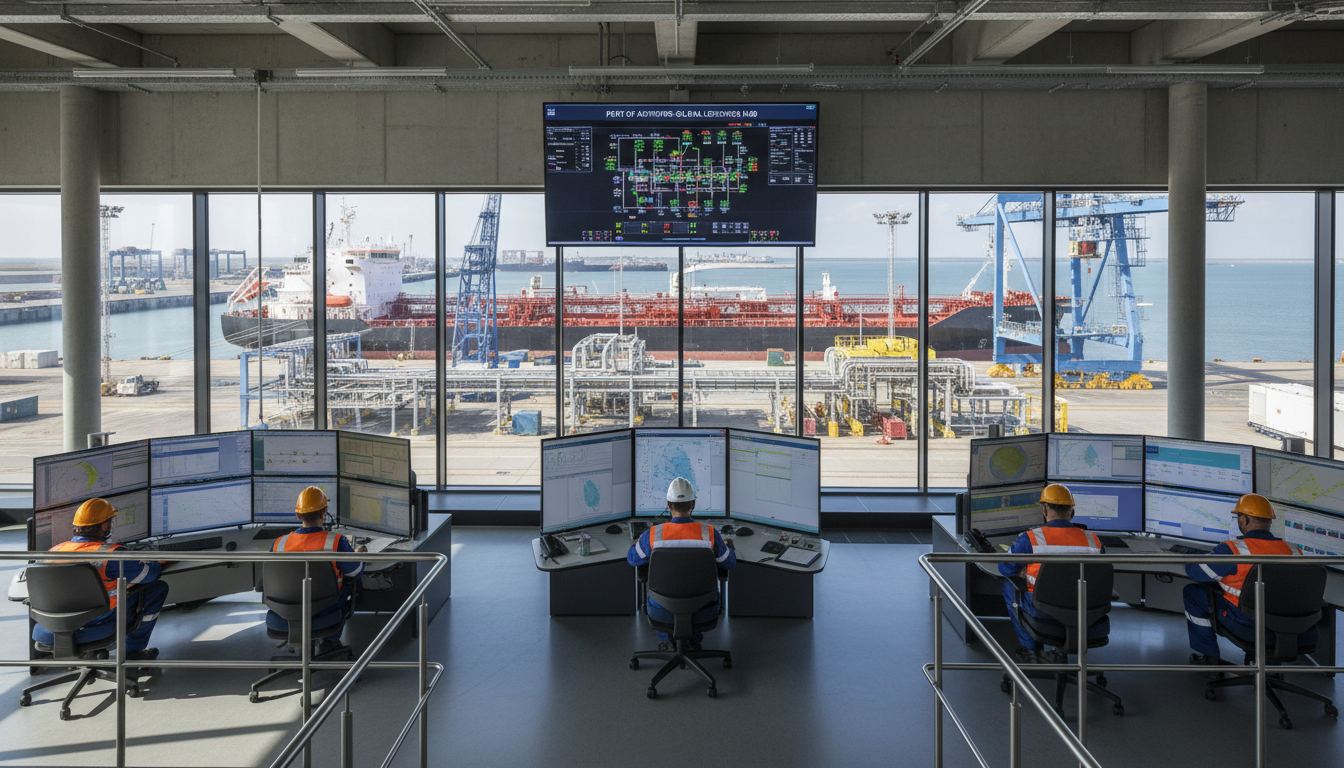
In a recent case, a major port implemented an AI-driven logistics platform that improved their cargo handling efficiency by 30%. The platform utilized machine learning to allocate resources dynamically, ensuring seamless operations even during peak times.
Environmental Impact and Sustainability
The maritime industry is under increasing pressure to reduce its environmental footprint. AI solutions are aiding this effort by optimizing fuel consumption and reducing emissions. AI-driven systems can recommend speed adjustments and route changes that significantly cut fuel usage, contributing to a greener future.
Additionally, AI is being used to monitor and enforce environmental regulations. By analyzing emissions data, authorities can ensure compliance and identify areas for improvement.
The Future of AI in Maritime
The adoption of AI in the maritime industry is still in its nascent stages, but the potential is vast. As technology advances, we can expect even more sophisticated solutions that address complex challenges. From autonomous ships to more integrated port systems, AI holds the key to unlocking the future of maritime operations.
In conclusion, AI solutions are transforming the maritime industry by enhancing efficiency, safety, and sustainability. As more companies embrace these technologies, the industry is set to navigate the future with confidence and innovation.