
AI/ML Innovations: How They Are Transforming Traditional Industries


Introduction to AI and ML
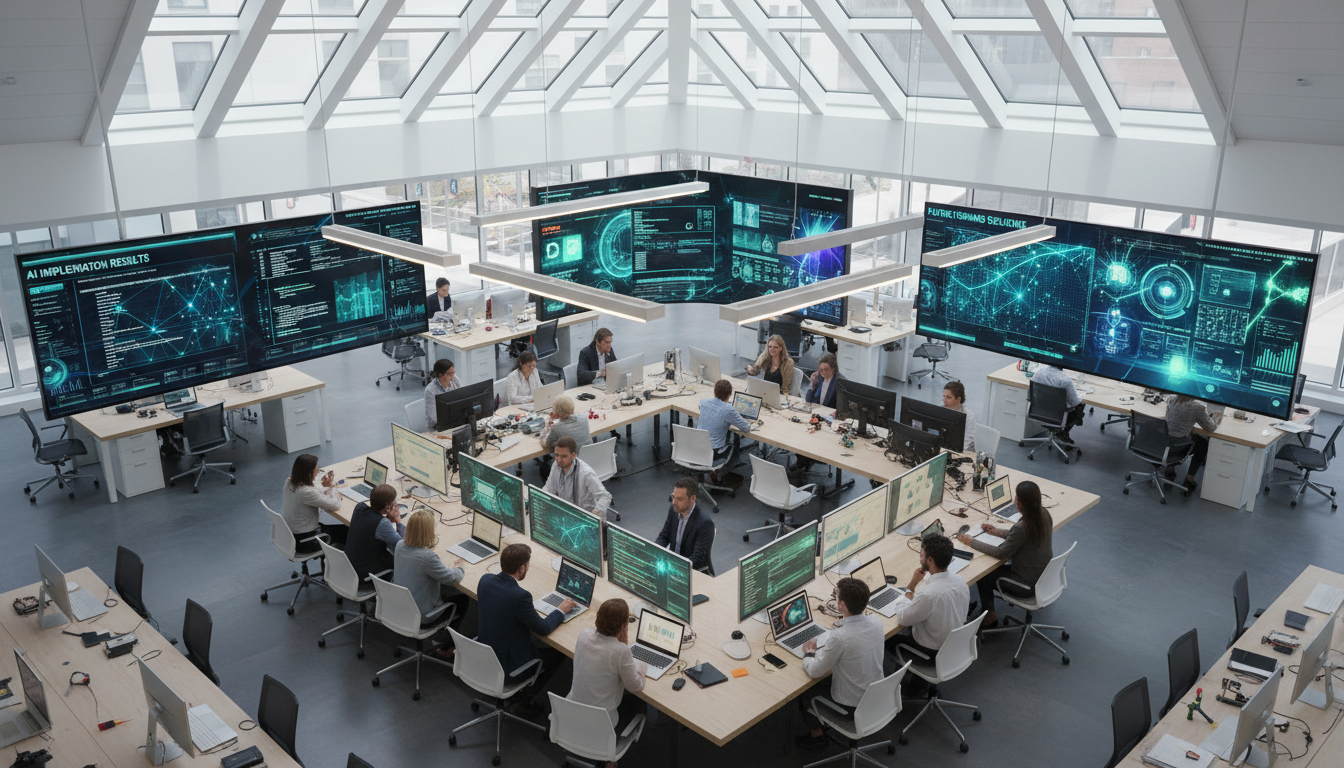
Artificial Intelligence (AI) and Machine Learning (ML) have become pivotal forces in reshaping traditional industries. By leveraging vast amounts of data, these technologies are enabling businesses to optimize processes, enhance customer experiences, and drive innovation. As a result, industries ranging from healthcare to manufacturing are witnessing transformative changes.
Revolutionizing Healthcare
In the healthcare sector, AI and ML are making significant strides. These technologies are being used to predict patient outcomes, personalize treatment plans, and even assist in surgeries. For example, AI algorithms can analyze medical images with remarkable accuracy, aiding radiologists in diagnosing diseases earlier and more accurately.
Personalized Medicine
The advent of personalized medicine is one of the most exciting developments. By analyzing genetic information and patient history, AI can suggest customized treatment plans, improving effectiveness and reducing side effects. This tailored approach is setting new standards in patient care.

Transforming Manufacturing
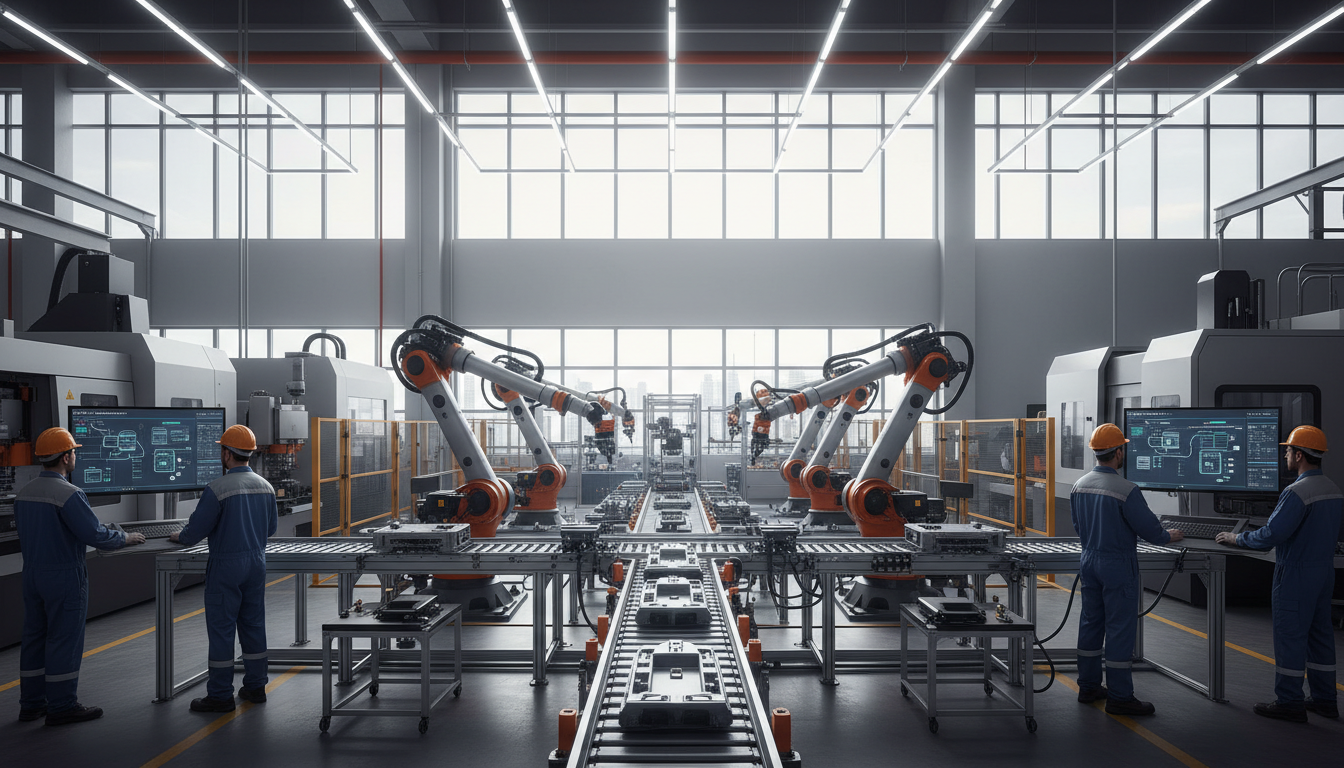
Manufacturing is another industry experiencing a paradigm shift due to AI and ML. Smart factories equipped with IoT devices and AI algorithms are optimizing production lines, reducing waste, and enhancing product quality. Predictive maintenance is another area where AI is proving invaluable, minimizing downtime and reducing costs.
Quality Control Enhancement
AI systems are now able to detect defects in products with greater precision than human inspectors. By analyzing images of products on the assembly line, AI can ensure that only top-quality items make it to market, thereby enhancing customer satisfaction and brand reputation.
Advancements in Finance
The financial industry has also embraced AI and ML, utilizing these technologies to improve decision-making, risk management, and customer service. AI-driven algorithms are employed in trading, providing real-time analysis of market trends and executing trades at optimal times.
Risk Management
Machine learning models are crucial in assessing credit risk and detecting fraudulent activities. By analyzing patterns and anomalies in transaction data, financial institutions can protect themselves and their customers from potential threats, ensuring secure and efficient operations.

Retail and Customer Experience
In retail, AI and ML are enhancing customer experiences by offering personalized recommendations and streamlining operations. Online platforms use machine learning to analyze browsing and purchase history, offering products that consumers are more likely to buy.
Inventory Management
AI is also improving inventory management by predicting demand trends and optimizing stock levels. This reduces overstock and stockouts, ensuring that customers find what they need when they need it, thereby increasing sales and customer loyalty.

Conclusion
The impact of AI and ML on traditional industries is profound and far-reaching. By automating processes, enhancing decision-making, and providing personalized experiences, these technologies are not only transforming businesses but also setting the stage for future innovations. As AI and ML continue to evolve, their ability to revolutionize industries will only grow stronger.