
AI Innovations in Maritime: Revolutionizing the Seas with Data-Driven Solutions


AI in Maritime: A New Wave of Innovation
The maritime industry is undergoing a significant transformation, driven by the integration of artificial intelligence (AI) technologies. By leveraging data-driven solutions, maritime operations are becoming more efficient, sustainable, and safe. This revolution is not just a trend but a necessity for the future of global trade and marine exploration.
AI innovations are paving the way for enhanced navigation, optimized logistics, and predictive maintenance. These advancements are crucial for an industry that has traditionally been slow to adopt new technologies. The implementation of AI is now enabling a smarter and more connected maritime ecosystem.
Enhanced Navigation and Route Optimization
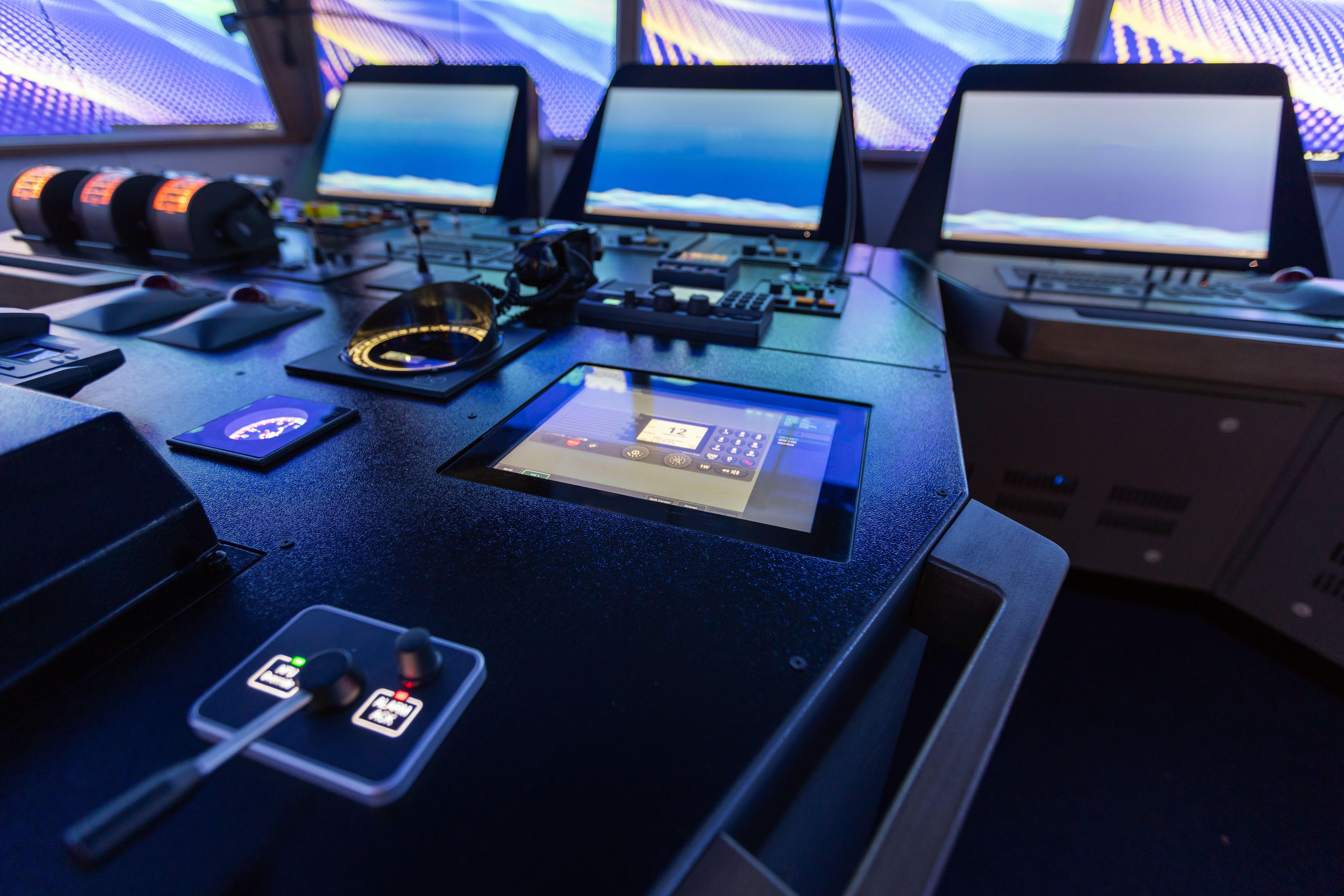
One of the most significant impacts of AI in maritime is the improvement in navigation and route optimization. Traditional navigation methods are being replaced by AI-driven systems that provide real-time data analysis. These systems consider weather patterns, sea conditions, and traffic to suggest the most efficient routes.
This optimization not only saves fuel and reduces emissions but also ensures timely deliveries. Shipping companies can enhance their operational efficiency by using AI to predict and avoid potential hazards, such as storms or congested ports, resulting in safer voyages.
Predictive Maintenance and Equipment Management
Another area where AI is making waves is in predictive maintenance. By analyzing data from sensors and equipment, AI can predict potential failures before they occur. This proactive approach minimizes downtime, reduces maintenance costs, and extends the lifespan of maritime assets.
Predictive maintenance ensures that vessels operate at peak performance, enhancing reliability and safety. Such data-driven insights are invaluable for fleet managers who need to maintain numerous ships with varying requirements and conditions.
Smart Ports and Automated Logistics
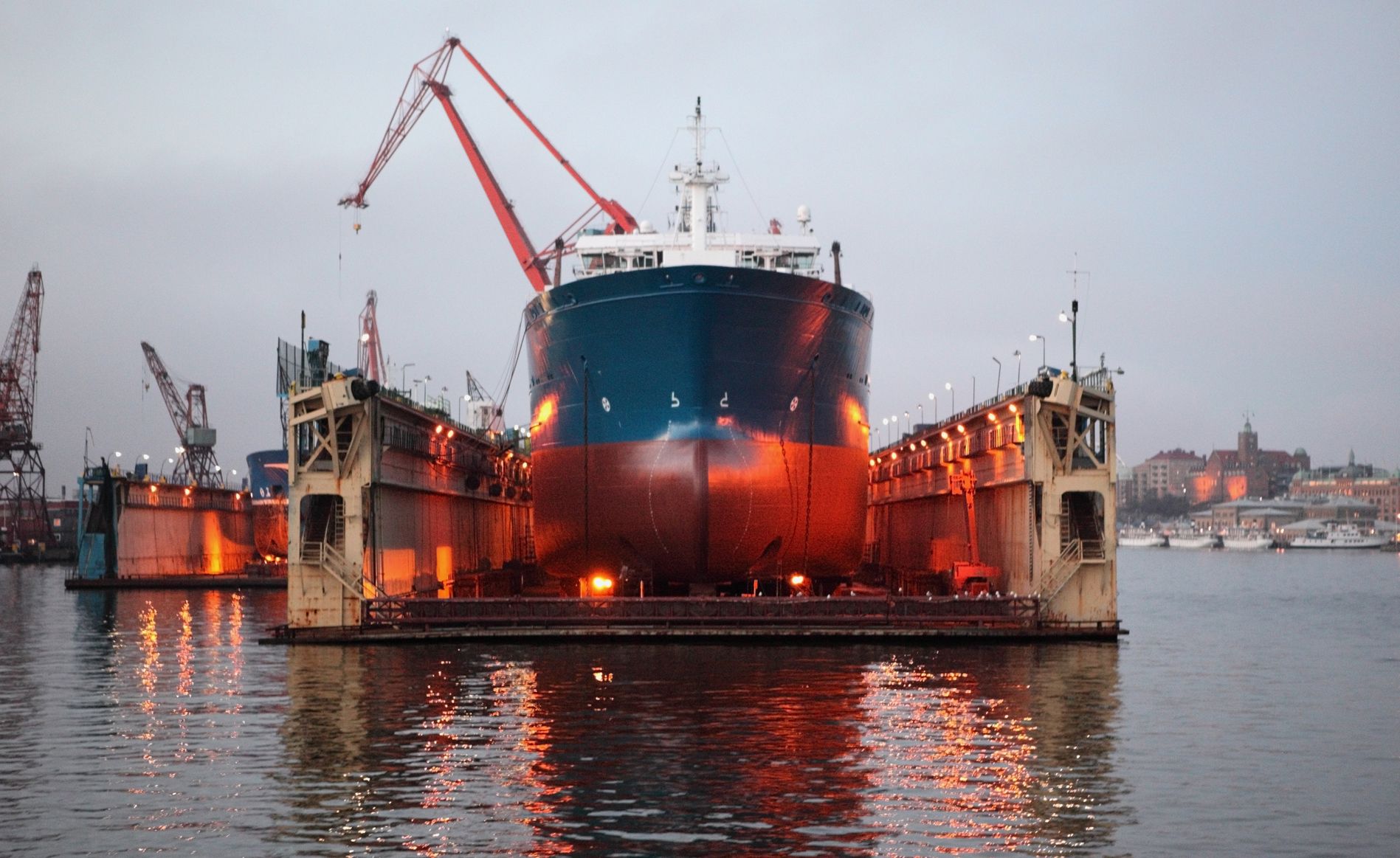
AI is also transforming port operations through smart technologies. Automated systems in ports streamline logistics, reduce manual errors, and improve cargo handling efficiency. AI-driven analytics help in managing traffic, scheduling, and resource allocation more effectively.
Smart ports enhance the overall supply chain by reducing bottlenecks and ensuring smooth operations. This technological integration leads to reduced operational costs and increased throughput, benefiting both port authorities and shipping companies.
Environmental Sustainability and AI
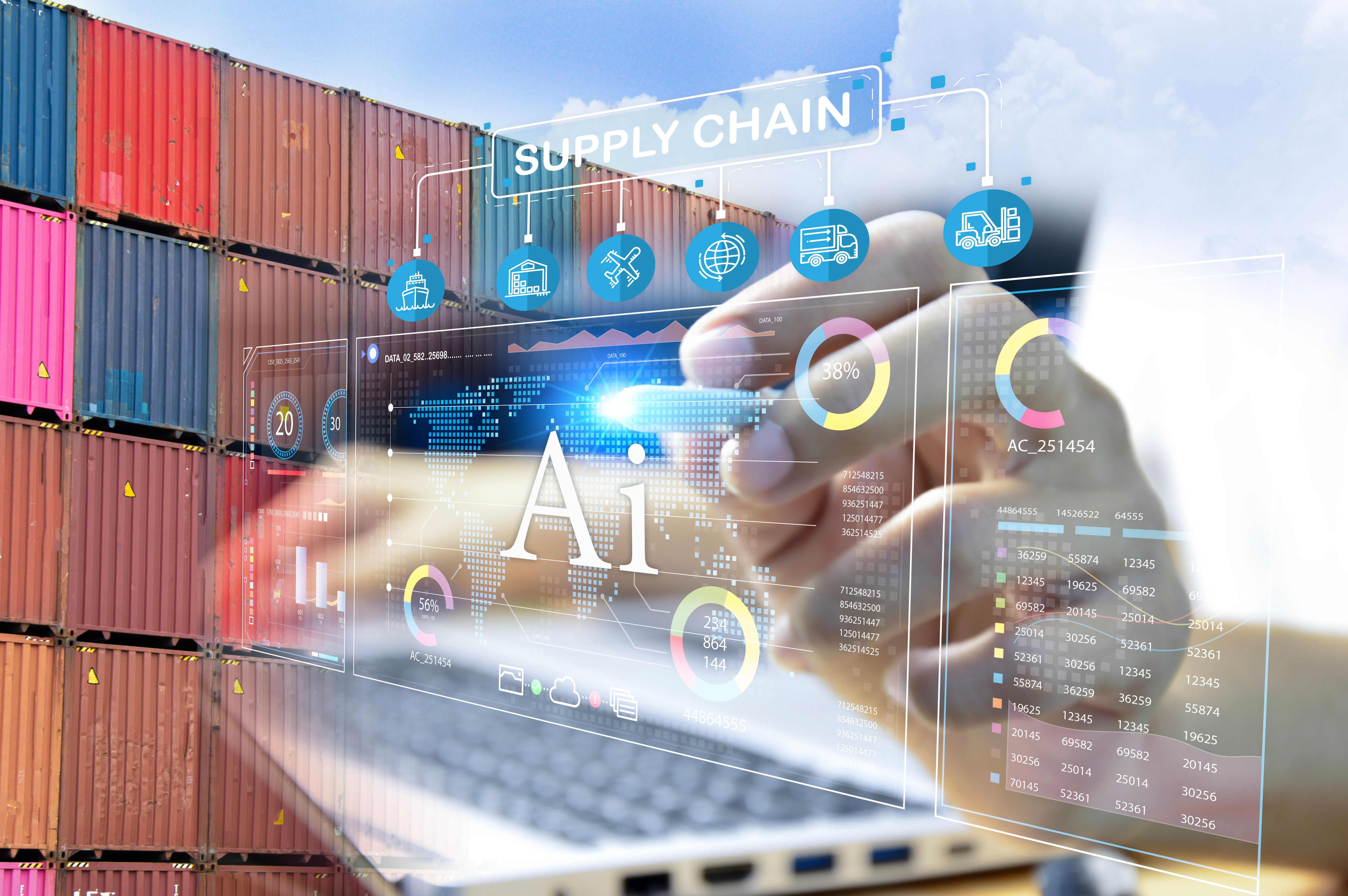
Sustainability is a growing concern in the maritime industry, and AI is playing a crucial role in addressing this challenge. By optimizing fuel consumption and reducing emissions, AI technologies help in minimizing the environmental impact of shipping operations.
AI can also assist in monitoring marine ecosystems, tracking pollutants, and ensuring compliance with environmental regulations. These efforts contribute to a more sustainable and responsible maritime industry, aligning with global environmental goals.
In conclusion, the future of maritime operations is being reshaped by AI innovations. As these technologies continue to evolve, they promise to deliver unprecedented efficiencies, safety, and sustainability in maritime activities, revolutionizing the seas like never before.