
AI in the Maritime Industry: Emerging Trends and Innovations


Introduction to AI in the Maritime Industry
The maritime industry, a cornerstone of global trade and commerce, is undergoing a significant transformation with the integration of artificial intelligence (AI). As technology continues to advance, AI is playing an instrumental role in enhancing operational efficiency, safety, and sustainability in maritime operations.
Optimizing Navigation and Route Planning
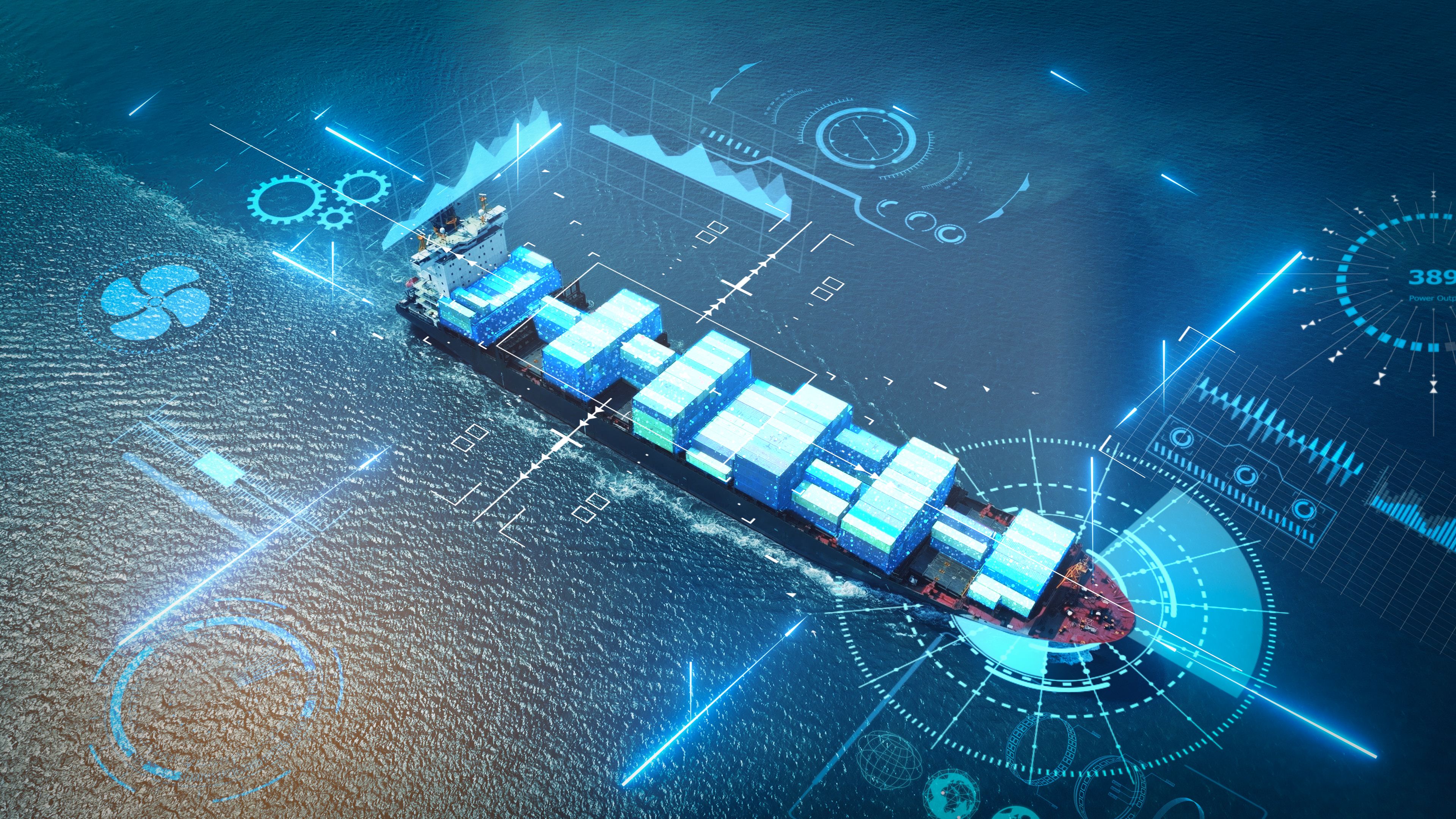
One of the most impactful applications of AI in the maritime industry is in navigation and route planning. AI algorithms can analyze vast amounts of data, including weather patterns, ocean currents, and shipping lanes, to optimize routes. This not only reduces fuel consumption but also minimizes travel time, resulting in cost savings and reduced carbon emissions.
By utilizing AI-driven navigation systems, shipping companies can ensure safer voyages by predicting potential hazards and avoiding congested or dangerous areas. This proactive approach enhances the overall safety and efficiency of maritime operations.
Enhancing Predictive Maintenance
AI is revolutionizing predictive maintenance in the maritime sector. Through data analysis and machine learning, AI systems can predict equipment failures before they occur. This enables timely maintenance, reducing downtime and preventing costly repairs.
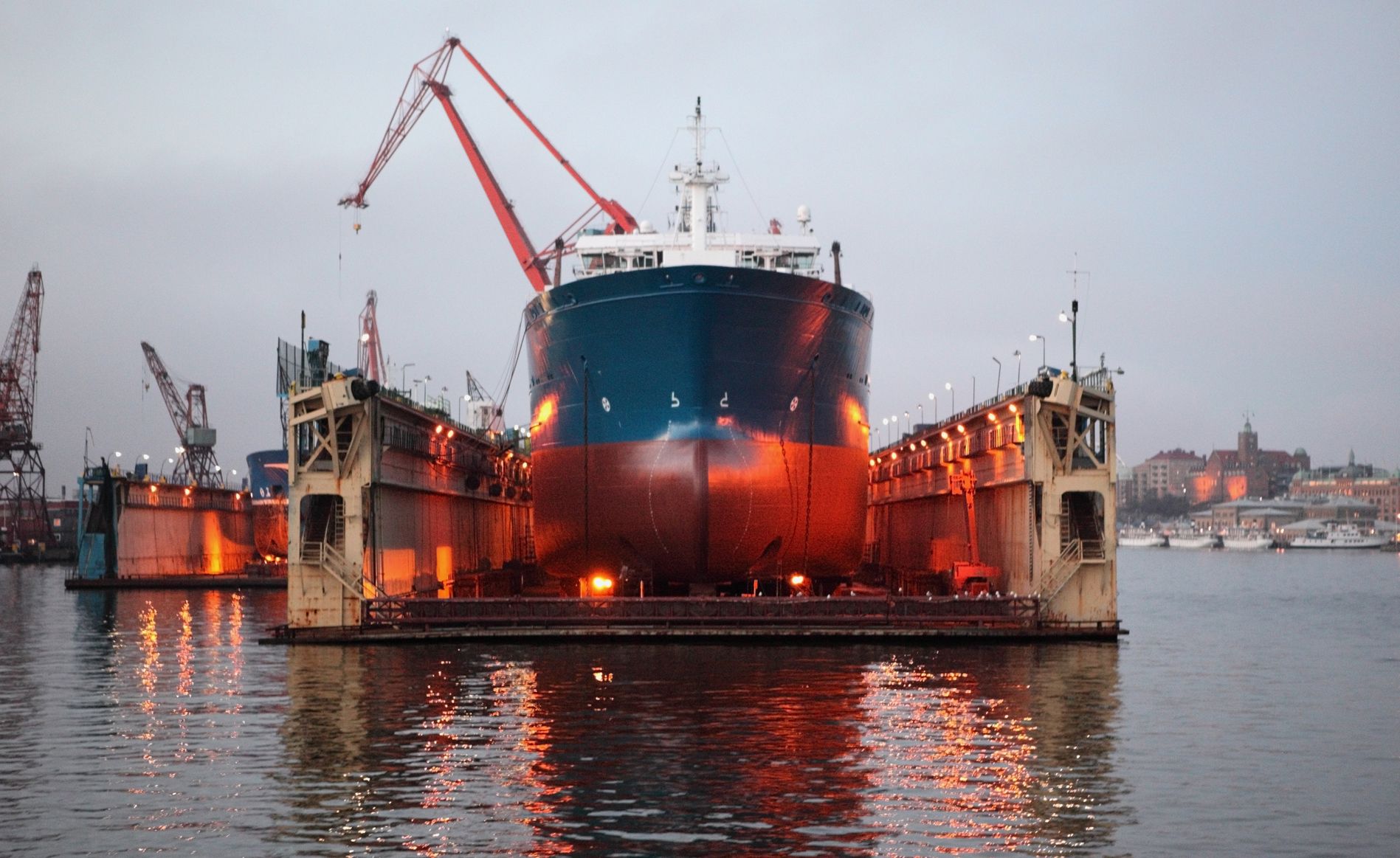
With real-time monitoring and analysis, shipping companies can extend the lifespan of their vessels and equipment, ultimately improving operational efficiency and reducing costs. The ability to anticipate and address potential issues before they escalate is a game-changer for the industry.
Improving Safety and Security
Safety and security are paramount in the maritime industry. AI technologies are being employed to enhance both aspects by monitoring vessel conditions and surroundings. AI-powered surveillance systems can detect anomalies and potential threats, allowing for swift action to be taken.
Moreover, AI can assist in automating emergency response procedures, ensuring rapid and effective responses to incidents at sea. This capability is crucial for safeguarding crew members and assets while maintaining the integrity of maritime operations.
Facilitating Autonomous Shipping
One of the most revolutionary trends in the maritime industry is the development of autonomous ships. AI plays a central role in enabling vessels to operate independently, using sensors and advanced algorithms to navigate and make decisions without human intervention.
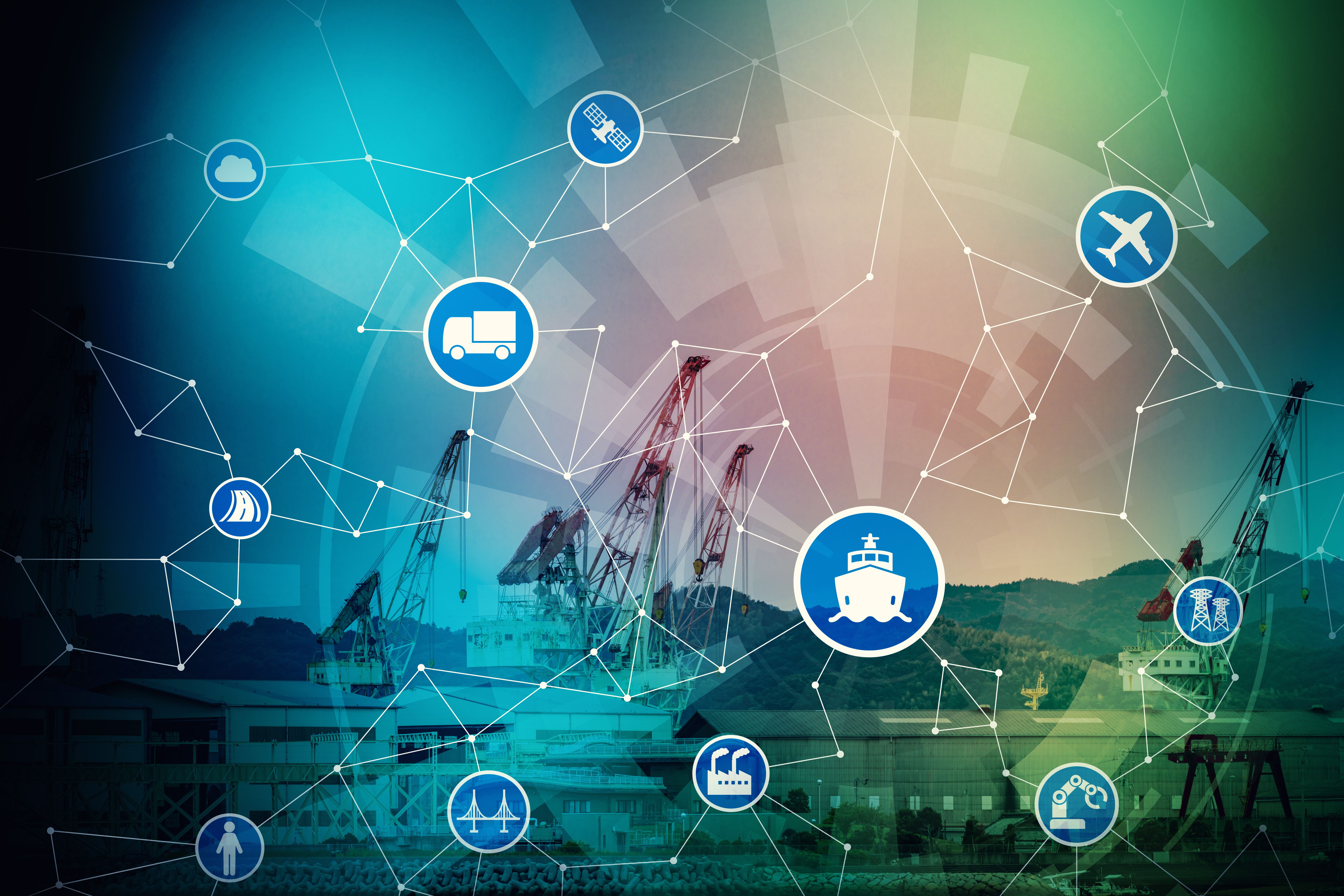
The push towards autonomous shipping promises to change the landscape of the maritime industry by improving efficiency, reducing human error, and lowering operational costs. While full autonomy is still in development, AI-driven technologies are paving the way for a more automated future.
Conclusion
AI is undeniably reshaping the maritime industry by driving innovation and improving operational efficiencies. From optimizing navigation and enhancing safety to facilitating autonomous shipping, AI technologies are setting the stage for a more advanced and sustainable future in maritime operations.
As the industry continues to embrace AI, stakeholders must remain vigilant in addressing challenges such as data security and regulatory compliance. By doing so, they can harness the full potential of AI to propel the maritime industry into a new era of growth and innovation.