
AI and Maritime Tech: A Guide to Data-Driven Solutions


The maritime industry is on the brink of a revolution, thanks to the integration of Artificial Intelligence (AI) and data-driven technologies. These innovations are reshaping how shipping companies operate, leading to increased efficiency, safety, and sustainability.
Understanding AI in Maritime Tech
AI in the maritime sector involves using algorithms and machine learning to process vast amounts of data. This data-driven approach allows for predictive analytics, optimizing routes, and enhancing decision-making in real-time. With AI, ships can navigate more safely and efficiently, avoiding hazards and reducing fuel consumption.
Predictive Maintenance
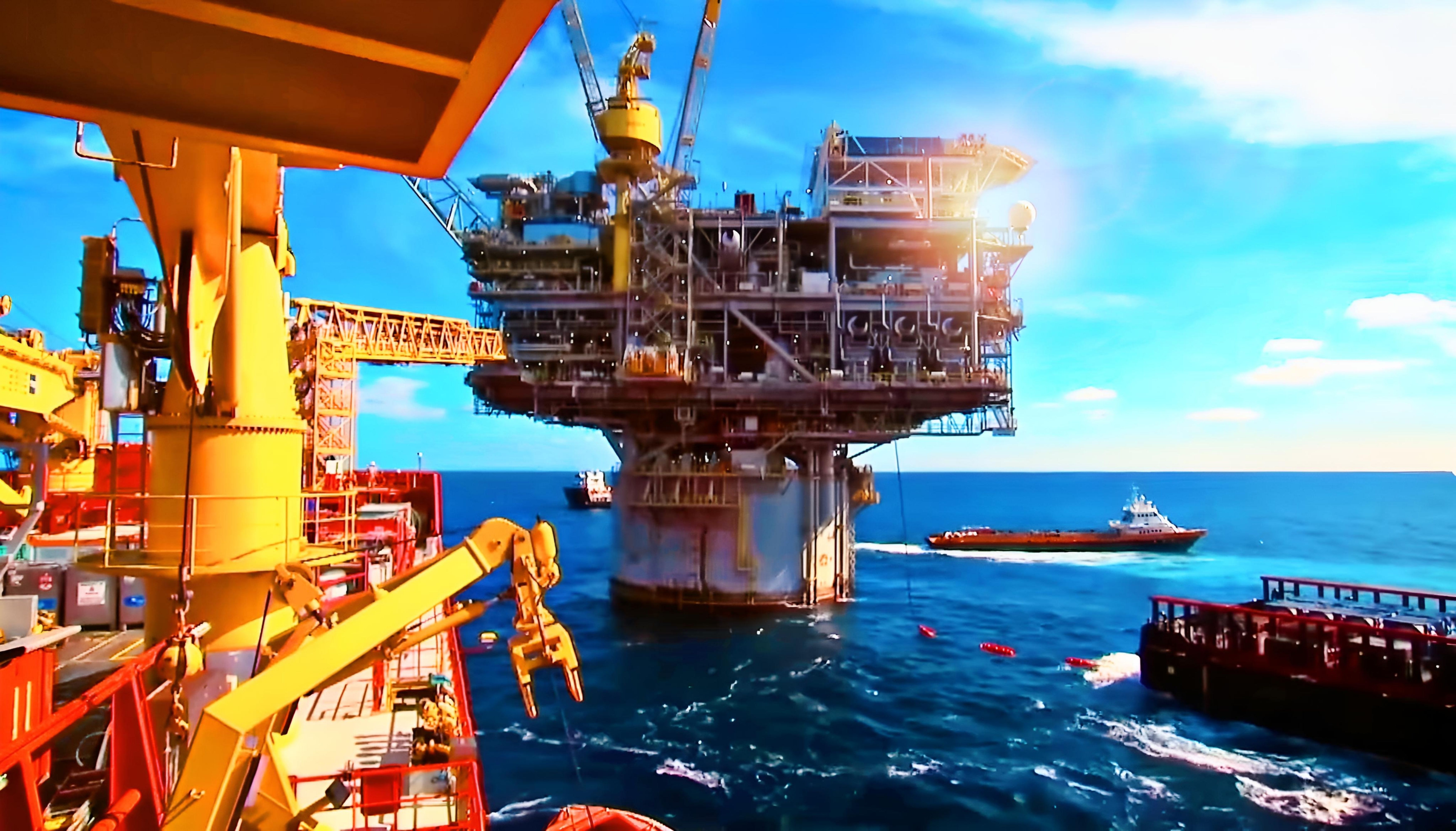
One of the most significant advantages of AI in maritime technology is predictive maintenance. By analyzing data from ship sensors, AI systems can predict when a component might fail, allowing for timely maintenance. This proactive approach reduces downtime and extends the lifespan of maritime equipment.
Predictive maintenance not only saves costs but also enhances safety. By addressing potential issues before they become critical, shipping companies can prevent accidents and ensure smoother operations.
Route Optimization
AI-driven route optimization is transforming the shipping industry. By analyzing weather patterns, ocean currents, and traffic, AI can suggest the most efficient routes. This optimization reduces travel time and fuel consumption, leading to significant cost savings and lower environmental impact.

Enhanced Safety Systems
Safety is a paramount concern in maritime operations. AI technologies are enhancing safety systems by providing real-time monitoring and alerts. By analyzing data from various sources, AI can detect anomalies and potential threats, alerting crew members to take corrective actions promptly.
These systems are especially beneficial in monitoring weather conditions, ensuring that ships avoid dangerous areas and conditions, further safeguarding the crew and cargo.
Sustainability and Environmental Impact
The maritime industry is under increasing pressure to reduce its environmental footprint. AI contributes to sustainability by optimizing fuel usage and reducing emissions. By analyzing data, AI systems can suggest operational adjustments that minimize fuel consumption, contributing to a greener maritime industry.
Future Prospects
The integration of AI in maritime technology is just beginning. Future advancements could lead to autonomous ships, further enhancing efficiency and safety. As AI continues to evolve, its impact on the maritime sector will undoubtedly grow, opening new avenues for innovation and improvement.
In conclusion, AI and data-driven solutions are revolutionizing the maritime industry. From predictive maintenance to route optimization, these technologies are creating a more efficient, safe, and sustainable future for shipping. Embracing these innovations will be crucial for companies looking to stay competitive and responsible in the years to come.